Encourage Dense Clumping
Lightly rake or comb out dead blades in late winter or very early spring to remove thatch and allow new shoots to fill in, which keeps the clump tighter and more ornamental.

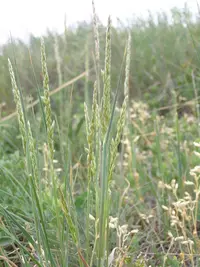
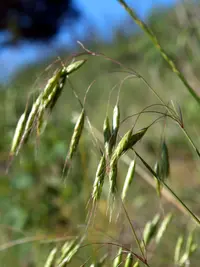
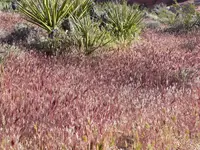
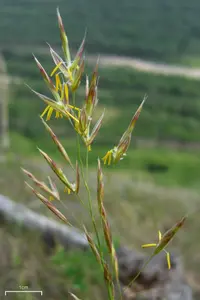
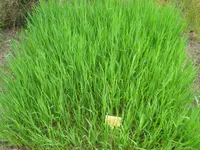
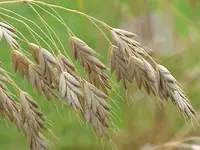
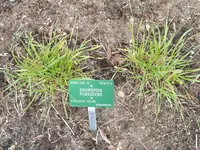
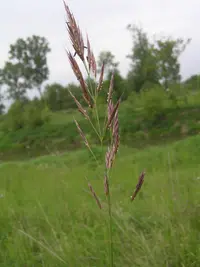
Prairie Junegrass, Koeleria macrantha, is a cool-season perennial bunchgrass native to prairies, open woods, and rocky slopes across much of North America. It forms small, upright clumps with fine, blue-green leaves and airy, tapered flower spikes that give a soft, delicate look.
This grass stays relatively compact and tidy, which makes it suitable for smaller gardens, meadow plantings, and erosion control. Once established, it is notably drought-tolerant and durable, so it suits low-maintenance landscapes.
It generally prefers full sun, well-drained soil, and moderate to low moisture, which simplifies how to care for prairie Junegrass in typical garden conditions.

Care Difficulty
Easy Care

Light Preference
Full Sun

Water Requirements
Low Water

Temperature Preference
Cold Hardy

Hardiness Zone
3–8

Soil Texture
Sandy, Loamy, Rocky

Soil pH
Acidic (5.5–6.5), Slightly acidic (6.5–7.0)

Soil Drainage
Well-drained

Fertilization
Minimal (feed rarely)
Scan your plant to receive care tips personalized for your specific plant
Available on iOS and Android
Koeleria macrantha thrives in open, sunny sites typical of dry prairies and grasslands.
This cool-season grass prefers dry to moderately dry soil and is sensitive to prolonged wet conditions.
This species is a cool-season bunchgrass that tolerates a wide range of outdoor temperatures once established.
This grass is adapted to dry, open sites, so humidity is rarely a concern in typical outdoor conditions.
Koeleria macrantha prefers lean, well-aerated soils that do not stay wet.
This species can be grown in containers outdoors if drainage is managed carefully.
This drought-tolerant grass needs only light feeding in most garden soils.
Koeleria macrantha benefits from simple, light pruning to stay tidy and productive.
This bunchgrass is usually grown in the ground and only infrequently moved or divided.
Koeleria macrantha is most often propagated by seed or by division of existing clumps.
This cool-season grass is quite cold hardy and usually needs minimal winter attention in the ground.

Plant Health Check
Not sure what's wrong with your plant? Check your plant's health inside the app.
Prairie Junegrass is a cool-season C3 grass, meaning it actively grows in cooler spring and early summer temperatures and uses the C3 photosynthetic pathway that is typical of plants from temperate climates.
Unlike many turf grasses, it grows as a tight bunchgrass and does not spread by aggressive rhizomes, which helps maintain open spaces between clumps that benefit small prairie forbs and insects.
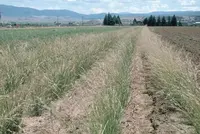
Its dense, fibrous root system helps stabilize dry, sandy, or gravelly soils, so it is often one of the early colonizers on disturbed prairie and rangeland sites where it contributes to erosion control and habitat structure.

Prairie Junegrass has been widely adopted in North American native grass mixes for low-input lawns and restoration plantings because its fine-textured foliage and modest growth habit create a natural, short sward that usually needs fewer mowings and less irrigation than conventional lawn species under suitable dry, sunny conditions.
This species is a cool-season perennial bunchgrass. Individual clumps often persist many years, slowly enlarging rather than spreading by runners. In managed plantings, sections are typically divided or renewed every several years to maintain vigor and appearance.
Keep your plants happy and healthy with plant identification, disease detection, and easy care guidance.