Japanese brome Care (Bromus japonicus)

Also known as: Thunberg's Brome, Japanese chess
Japanese brome

About Japanese brome

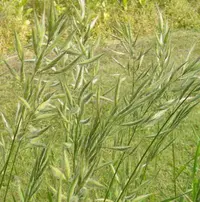
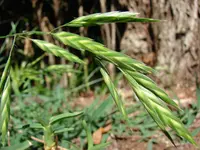
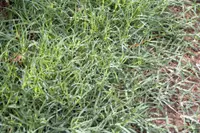
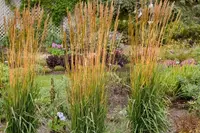
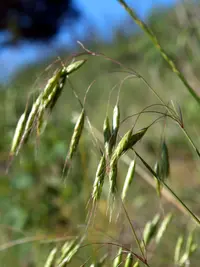
Japanese brome (Bromus japonicus) is an annual grass commonly found in fields, roadsides, rangelands, and disturbed ground. It forms loose clumps with fine, narrow leaves and many slender flowering stems. The nodding, airy seed heads turn from green to tan as they mature, giving the plant a soft, feathery look. It is native to Eurasia but is now widespread in North America, where it often behaves as a weed. This grass grows quickly, sets abundant seed, and can spread easily in open, sunny sites. Understanding how to care for Japanese brome starts with recognizing its preference for full sun, dry to moderately moist soil, and low competition from taller plants.

Main Plant Requirements

Care Difficulty

Easy Care

Light Preference

Full Sun

Water Requirements

Moderate Water

Temperature Preference

Cold Hardy

Hardiness Zone

3–9

Soil Texture

Sandy, Loamy, Clay

Soil pH

Slightly acidic (6.5–7.0), Neutral (7.0)

Soil Drainage

Well-drained

Fertilization

Minimal (feed rarely)

Get Personalized Care Plan

Scan your plant to receive care tips personalized for your specific plant

Available on iOS and Android

How to Care for the Japanese brome

This annual grass prefers open, bright conditions typical of temperate grasslands.

  • Provide 6–8 hours of direct sun daily; morning sun with some light afternoon shade helps avoid leaf scorch in hotter regions.
  • It tolerates light partial shade (around 3–4 hours sun), but plants may grow taller, weaker, and produce fewer seeds in lower light.
  • In late spring and early summer, ensure surrounding vegetation does not shade Japanese brome heavily, as dense shade reduces vigor and stand density.

This species prefers moderately dry, well-drained soil once established.

  • Allow the top 3–5 cm of soil to dry between waterings; soil should feel dry at the surface but slightly moist just below.
  • Increase moisture slightly during germination and early seedling growth, but avoid puddling or soggy soil, which encourages root rot and stunted plants.
  • In hot, dry spells, watch for curling or limp leaves as a sign to water, while yellowing, soft bases and algae on soil suggest excess moisture for Bromus japonicus.

This cool-season grass grows best in mild conditions and slows in high heat.

  • Optimal growth occurs around 55–70°F (13–21°C), especially during cool spring weather when soil is moist but not waterlogged.
  • Plants tolerate light frosts down to about 25°F (-4°C), though repeated hard freezes below this can damage foliage and reduce survival.
  • Growth declines above 85°F (29°C); in hot summers, expect earlier drying, seed drop, and possible stand thinning if heat and drought coincide.

Humidity is generally not critical for Bromus japonicus, which tolerates typical outdoor air in temperate regions.

This grass prefers dry to moderately moist, well-drained mineral soils and often thrives in relatively poor ground.

  • Use a sandy or sandy-loam substrate with low to moderate organic matter to mimic naturally open, disturbed sites.
  • Ensure very sharp drainage; incorporate coarse sand or fine grit into loam if water lingers after rainfall or irrigation.
  • Keep pH roughly neutral to slightly alkaline (about 6.5–7.8), avoiding strongly acidic mixes that can limit nutrient availability.
  • Avoid compacted, heavy clay or consistently wet sites, improving aeration with coarse mineral material rather than peat-heavy amendments.

This species can be grown in containers, mainly for temporary display, research, or controlled management.

  • Choose a wide, shallow container to accommodate fibrous, spreading roots and to keep the relatively top-heavy foliage stable in wind.
  • Use a very free-draining, mostly mineral mix so the root zone dries quickly between waterings, reducing the risk of crown rot.
  • Select a heavier pot material or add surface gravel to prevent tipping as the grassy foliage becomes taller and denser.

This annual grass usually grows well in ordinary soil and needs only light feeding in cultivation.

  • Use a balanced, diluted liquid fertilizer (for example 10-10-10 at 1/4 strength) if growth appears weak on poor soils.
  • Apply fertilizer no more than once per month during the active growing season, after plants are established.
  • Avoid feeding in late fall or winter, since Bromus japonicus will be completing its annual life cycle.
  • Where soil is very sandy, a thin topdressing of mature compost can support growing Japanese brome with minimal inputs.

Pruning for Bromus japonicus focuses on hygiene and limiting self-seeding rather than shaping.

  • Cut back flowered seed heads before seeds mature if self-sowing is not desired, using clean shears or a scythe.
  • Remove dead, broken, or diseased stems whenever noticed to reduce fungal problems and improve air flow.
  • In late season, shear or mow dry foliage close to ground level to tidy the area and interrupt seed dispersal.
  • Avoid repeated cutting at very low height during peak growth, which can weaken stands and reduce vigor.

This species is usually field-grown, so care focuses on transplanting seedlings rather than routine repotting.

  • Transplant when seedlings have 2–3 true leaves and roots lightly hold the soil but are not circling the container.
  • Choose early to mid spring for most regions, moving plants on a cool, overcast day to limit transplant shock.
  • Set plants into well-drained soil at the same depth as in the tray or pot, firming gently around the roots.
  • Water thoroughly after transplanting and keep soil evenly moist for 7–10 days to help roots re-establish.

Propagation of Bromus japonicus is straightforward and is done mainly from seed.

  • Sow fresh or stored seed in early to mid spring, directly outdoors or in trays under bright, cool conditions.
  • Press seeds into the surface of moist, well-drained soil and cover very lightly, as grass seeds need some light.
  • Maintain moderate moisture and temperatures around 55–68°F for reliable germination within 7–21 days.
  • Thin or transplant young plants once they develop several true leaves, spacing according to the desired density.

As a cool-season annual, this grass generally needs little dedicated winter care once its life cycle ends.

  • In colder regions, plants usually die back after seeding; remove dry material to reduce volunteer seedlings next year.
  • In mild climates, some seedlings may overwinter; a light mulch can stabilize soil but is not essential.
  • Container-grown plants that must be carried over can be moved to a cold, bright, frost-free spot and kept just barely moist.

Care Tips

Timely stand renewal

Flail mow or cut plants close to the ground just before most seed heads turn from green to tan to reduce reseeding while still allowing some regrowth for cover or forage.

Seed head monitoring

Walk fields weekly in late spring and early summer and flag the earliest heading patches so you can target these areas first for cutting or grazing, which lowers overall seed production.

Grazing as control

If used as forage, rotate livestock through brome patches when stems are elongating but before full flowering, then move animals promptly to avoid overgrazing and bare soil that favors reinvasion.

Stubble and residue management

After harvest or mowing, rake or lightly harrow to break up dense thatch so new seedlings establish more evenly and fungal diseases are less likely to build up in the residue.

Integrated weed pressure checks

When growing Japanese brome with other grasses, check field edges and disturbed strips for dense brome clumps and spot-treat or overseed with competitive perennial species to prevent it from dominating the stand.

Common Pests and Diseases

Leaf rust

This disease causes small yellow to orange-brown pustules on leaves that can merge into larger patches and lead to early leaf drying. Symptoms include reduced vigor and a straw-colored look to heavily infected plants.

Solution

Remove and destroy heavily infected foliage and volunteer plants nearby to reduce spore sources, and avoid overhead irrigation if growing under managed conditions. Improve spacing and airflow, and if rust is severe in forage or seed production stands, use an appropriate grass-registered fungicide according to local extension guidance for Bromus japonicus care instructions.

Powdery mildew

This disease produces a white, powdery coating on leaves and stems, which can cause leaf yellowing and reduced growth under humid, shaded conditions. Symptoms include distorted new growth when infection is strong.

Solution

Increase sun exposure and airflow where possible, avoid dense overcrowded stands, and reduce excess nitrogen that encourages soft, mildew-prone growth. In seed or research plots, a fungicide labeled for powdery mildew on grasses may be used, applied early in the disease cycle according to label directions.

Barley yellow dwarf virus

This disease leads to yellow or reddish discoloration starting from leaf tips, stunting, and poor tillering, especially in cooler seasons. Symptoms include patchy areas of weak, discolored plants within a stand.

Solution

Manage aphid vectors by encouraging natural predators and, in production settings, monitoring and treating early with targeted, labeled insecticides if aphid pressure is high. Avoid planting near virus-prone cereal crops, remove heavily infected patches before seed set, and use clean seed where possible to limit spread.

Aphids

These insects feed on plant sap, causing leaf curling, yellowing, and reduced vigor, and they excrete sticky honeydew that may support sooty mold. This pest can also transmit viruses such as barley yellow dwarf virus between grasses.

Solution

Encourage lady beetles and other natural predators, and wash aphids from foliage with a firm stream of water on smaller plantings. In forage or seed production, monitor populations; if counts are high early in the season, apply a selective insecticide labeled for aphid control on grasses, following local timing and rate recommendations.

Grasshoppers

These insects chew irregular holes and edges in leaves and can quickly strip foliage during outbreak years, weakening plants and reducing seed production. Symptoms include ragged leaves and sometimes nearly defoliated patches along field margins.

Solution

Mow or manage adjacent weedy borders to reduce favored grasshopper habitat, and use row covers or netting around small plantings if feasible. In larger stands where damage is severe, apply bran baits or a labeled grasshopper control product targeting young nymphs, following local extension guidance to minimize non-target impacts.

Interesting Facts

Winter annual strategy

In many regions Bromus japonicus behaves mainly as a winter annual, germinating in fall, overwintering as small plants, and then growing rapidly and setting seed in spring before summer heat increases.

Heavy seed production

This species can produce large numbers of small seeds that mature early in the season, forming a persistent soil seed bank that helps it reappear even after aboveground plants are removed.

Influence on fire regimes

In some invaded grasslands and rangelands, dense stands of Bromus japonicus add fine, dry fuel that can increase fire frequency and continuity between native plants.

Botan icon

Did you know?

Bromus japonicus is native to Eurasia but has become widespread and sometimes invasive in North American prairies, pastures, and disturbed sites, where it can compete with native grasses and alter plant community composition.

FAQs about Japanese brome

This grass is widely recognized as invasive in many temperate regions, especially rangelands and disturbed sites. It spreads by abundant seed, displaces native species, alters fire regimes, and often requires active management or removal where ecological protection is a priority.

Grow Healthy Plants with Botan Care

Keep your plants happy and healthy with plant identification, disease detection, and easy care guidance.

Botan plant care app — identify plants on mobile

Explore More Plants