Early stand management
For pasture, cover crop, or habitat use, mow or graze young plants once they reach 15–20 cm to encourage denser tillering and a more stable stand rather than allowing a few tall, floppy stems to dominate.

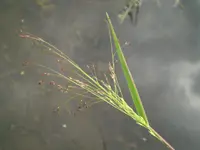
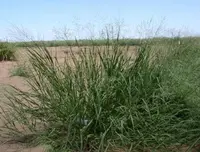
Autumn millet, Panicum dichotomiflorum, is an annual grass often found in moist fields, roadsides, and disturbed ground across much of North America. It forms loose clumps with branching stems and narrow leaves, usually green to bluish-green, and produces airy seed heads late in the growing season.
The plant grows quickly, self-seeds easily, and can behave as a weed in gardens or agricultural settings. It tolerates varied soils and light, which makes basic care for autumn millet straightforward, but also means it can spread where conditions are favorable.
Autumn millet typically prefers full sun, consistent moisture, and moderately fertile, well-drained soil, especially in open, disturbed sites.

Care Difficulty
Easy Care

Light Preference
Full Sun

Water Requirements
Regular Water

Temperature Preference
Warm Climate

Hardiness Zone
4–9

Soil Texture
Sandy, Loamy, Silty

Soil pH
Slightly acidic (6.5–7.0), Neutral (7.0)

Soil Drainage
Moist but well-drained

Fertilization
Minimal (feed rarely)
Scan your plant to receive care tips personalized for your specific plant
Available on iOS and Android
This warm-season grass performs best in open, bright conditions with sustained daily sun exposure.
This species prefers consistent soil moisture during active growth but does not tolerate standing water.
This warm-season annual grass grows best in stable summer temperatures and is sensitive to frost.
Humidity is not a critical factor for Panicum dichotomiflorum, which adapts well to a wide range of outdoor conditions.
Panicum dichotomiflorum grows best in moderately fertile, well-structured mineral soil that does not stay waterlogged.
This species can be grown in containers, but it performs best when the pot is chosen and managed to suit its fibrous root system and tall foliage.
This annual grass grows well in lean soils and usually needs only light feeding, especially when grown as autumn millet in poor ground.
Pruning Panicum dichotomiflorum is simple and mainly focused on keeping plants tidy and safe from self-seeding.
This species is most often grown in the ground, so transplanting young plants is more common than repotting established ones.
Propagation of Panicum dichotomiflorum is most practical from seed, which germinates reliably in warm conditions.
This warm-season annual grass is not frost hardy and normally completes its life cycle before winter, so ongoing winter care is minimal.

Plant Health Check
Not sure what's wrong with your plant? Check your plant's health inside the app.
This species naturally dominates moist alluvial soils in North American river floodplains and disturbed wet fields, where its annual life cycle allows it to quickly exploit freshly deposited sediments.
Its open, repeatedly forking panicles produce many small seeds on slender branches, creating a fine, airy inflorescence that is characteristic for identifying this species among other panic grasses.
Seeds often germinate later in the growing season than many competing annual grasses, allowing this plant to fill gaps in vegetation after early-season species have already established or been removed.
Leaf browning usually results from drought stress, excess fertilizer salts, or wind scorch. Check soil moisture, flush containers occasionally to remove built-up salts, and provide some shelter from persistent strong winds to reduce desiccation damage.
Keep your plants happy and healthy with plant identification, disease detection, and easy care guidance.