Andryala pinnatifida Care

Andryala pinnatifida

About Andryala pinnatifida

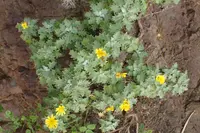
Andryala pinnatifida is a small, short-lived perennial or annual herb from the daisy family, typically forming low clumps with finely divided, often softly hairy leaves. It produces yellow, dandelion-like flower heads on slender stems, giving a delicate, wildflower look.

This species is native to Mediterranean regions, where it grows in dry, open, and often rocky habitats. In cultivation, it generally prefers full sun, well-drained soil, and moderate to low moisture.

Its drought tolerance and modest nutrient needs can make it relatively easy to grow in suitable climates, though it dislikes heavy, wet soils. Understanding how to care for Andryala pinnatifida starts with replicating its naturally dry, sunny environment.

Main Plant Requirements

Care Difficulty

Easy Care

Light Preference

Full Sun

Water Requirements

Low Water

Temperature Preference

Warm Climate

Hardiness Zone

9–11

Soil Texture

Sandy, Loamy, Rocky

Soil pH

Slightly acidic (6.5–7.0), Neutral (7.0)

Soil Drainage

Well-drained

Fertilization

Minimal (feed rarely)

Get Personalized Care Plan

Scan your plant to receive care tips personalized for your specific plant

Available on iOS and Android

How to Care for the Andryala pinnatifida

This sun-loving Mediterranean wildflower performs best in open, bright sites.

  • Provide 6–8 hours of direct sun daily; full sun promotes compact growth and abundant flowering in Andryala pinnatifida.
  • Accepts light afternoon shade in very hot climates, especially where summer highs exceed 95°F (35°C), to reduce leaf scorch and moisture stress.
  • Avoid deep shade; stems become weak and elongated, flowering declines, and foliage may yellow if it receives less than about 4 hours of direct light per day.

This drought-tolerant plant prefers slightly dry conditions rather than consistently moist soil.

  • Allow the top 3–5 cm of soil to dry before watering, using a finger test; the soil should feel dry and crumbly, not cool and damp.
  • During hot, dry periods, water deeply but infrequently, then let the soil drain fully; in cooler seasons, reduce watering as growth slows.
  • Watch for signs of overwatering such as limp, yellowing lower leaves and soft stems; crisp, folding leaves and stalled growth indicate underwatering.

This species is adapted to warm, dry climates with mild winters.

  • Best growth occurs around 65–80°F (18–27°C), where foliage stays compact and flowering is reliable through the main growing season.
  • Tolerates summer heat up to about 90–95°F (32–35°C) if soil is well drained and the site has good air movement to prevent stress.
  • Avoid hard frost; growth is damaged below 28°F (-2°C), so in colder regions treat it as an annual or protect plants during freezing nights.

This drought-adapted species does not have specific humidity requirements and grows well in typical indoor and outdoor ranges.

This Mediterranean perennial prefers lean, sandy, sharply drained soil that never stays waterlogged.

  • Use a gritty mix such as 50–60% coarse sand or fine grit with 40–50% low-organic mineral topsoil.
  • Aim for slightly alkaline to neutral pH around 7.0–8.0, avoiding strongly acidic mixes.
  • Improve aeration and drainage by incorporating mineral materials like pumice or fine gravel rather than rich compost.
  • Avoid heavy clay, peat-rich, or constantly moist mixes, which promote root rot and weak, lush growth in Andryala pinnatifida.

This species can be grown in containers if the pot is set up to mimic its dry, free-draining native conditions.

  • Choose a wide, shallow pot to suit its relatively shallow root system and reduce the risk of soggy lower layers.
  • Use an unglazed terracotta pot to allow moisture to evaporate faster, keeping the mix dry between waterings.
  • Raise the container on pot feet or bricks so drainage holes stay clear and water leaves the pot quickly after rain or watering.

This Mediterranean wildflower generally needs minimal feeding in ordinary, well-drained soil.

  • If growth appears weak in poor soil, apply a light top-dressing of compost in early spring before active growth begins.
  • For container plants, use a diluted balanced liquid fertilizer (around 10-10-10) at 1/4–1/2 strength every 4–6 weeks in the growing season.
  • Avoid high-nitrogen formulas, which push soft, floppy growth and can reduce flowering.
  • Stop feeding Andryala pinnatifida in late summer so new growth can harden before cooler weather.

Pruning focuses on maintaining vigor and a tidy shape rather than major reshaping.

  • In late winter or very early spring, remove dead, damaged, or diseased stems with clean, sharp scissors or hand pruners.
  • Deadhead spent flower stems during the blooming season to encourage a neater look and possibly more flowers.
  • Thin out crowded stems lightly to improve air flow and reduce the risk of fungal problems.
  • Avoid cutting back into very old woody bases; focus on younger, green growth for best recovery in Andryala pinnatifida.

This species is more often grown in the ground, so transplanting is usually more relevant than frequent repotting.

  • Transplant in early spring or early fall, when temperatures are mild and the plant is not under heat stress.
  • Choose a sunny site with sharply drained, low-to-moderate fertility soil to match the natural habitat of Andryala pinnatifida.
  • Lift plants with a wide root ball, disturbing roots as little as possible, and replant at the same depth as before.
  • Water thoroughly after transplanting, then keep soil just lightly moist until new growth shows the roots have re-established.

Propagation is most practical from seed, which suits the life cycle of this short-lived herb.

  • Sow ripe seeds in late summer or early fall in trays or directly outdoors in well-drained soil.
  • Press seeds onto the surface or cover very lightly, as many light-dependent seeds germinate better near the surface.
  • Maintain even, light moisture and good air circulation at 60–70°F until germination, usually within a few weeks.
  • Once seedlings of Andryala pinnatifida have several true leaves, thin or transplant them to sunny positions without crowding.

In mild, dry-winter regions, this plant usually needs little special winter care.

  • In climates with occasional light frost, a thin mulch layer around the root zone can buffer temperature swings without trapping excess moisture.
  • Avoid heavy, water-retentive mulches; the crown must stay well aerated to limit rot risk in cold, wet soil.
  • Container-grown Andryala pinnatifida in colder zones can be overwintered in a bright, cool, frost-free place with very sparing watering.

Care Tips

Encourage compact growth

Pinch back the soft tips of young stems once or twice in early growth to keep plants bushier, reduce lodging, and produce more flowering shoots when growing Andryala pinnatifida.

Use low-nitrogen feed

If supplemental feeding is needed, choose a low-nitrogen, higher-phosphorus fertilizer to prevent weak, overly lush foliage and to support stronger flowering stalks.

Improve wind resilience

In exposed sites, group plants in small drifts and mulch lightly around the base so roots stay anchored and stems are less likely to snap in strong, dry winds.

Promote self-seeding

If naturalized patches are desired, leave some spent flower heads on the plant until the seed heads dry and start to fluff, then gently shake them over the soil on a calm, dry day.

Monitor for edema

In container-grown plants, avoid sudden heavy watering after a very dry spell, since rapid water uptake can cause edema spots on leaves; rehydrate gradually over 2–3 waterings instead.

Common Pests and Diseases

Powdery mildew

This disease appears in dry, warm conditions as a white, powdery film on leaves and stems, often on dense wild clumps or cultivated plants with poor air movement. Symptoms include distorted new growth and gradual weakening of the plant if infections are repeated.

Solution

Remove the most affected leaves to reduce spore load, then improve airflow by thinning nearby vegetation and avoiding overhead watering late in the day. If needed, apply a sulfur or potassium bicarbonate fungicide labeled for ornamental composites, repeating according to label directions until new growth appears clean.

Rust fungus

This disease shows as small yellow spots on the upper leaf surface and orange to brown pustules on the undersides, especially in humid coastal or irrigated sites. Symptoms include premature leaf drop and reduced vigor if infection is heavy.

Solution

Prune and dispose of infected leaves away from the site and avoid wetting foliage during irrigation. Increase spacing and airflow, then use a broad-spectrum ornamental fungicide with activity against rusts if conditions remain humid and new lesions continue to appear.

Aphids

These insects cluster on young stems, leaf undersides, and flower stalks, sucking sap and excreting sticky honeydew that can lead to sooty mold. This pest often deforms new growth and may attract ants that protect colonies.

Solution

Dislodge colonies with a firm stream of water, then treat remaining clusters with insecticidal soap or a light horticultural oil, coating leaf undersides and stems thoroughly. Encourage natural predators such as lady beetles by avoiding broad-spectrum insecticides and reducing excess nitrogen fertilization that drives lush, aphid-prone growth.

Leaf-mining larvae

This pest creates pale, winding tunnels inside the leaves, which are particularly noticeable on the narrow, pinnate foliage. Symptoms include translucent blotches and serpentine trails that can reduce photosynthesis on heavily infested plants.

Solution

Remove and destroy affected leaves as soon as new mines are seen to interrupt the life cycle. In sites where growing Andryala pinnatifida is done more formally, floating row covers can exclude adult flies, and targeted systemic products labeled for leaf miners may be used if damage is repeated and severe.

Downy mildew

This disease develops in cool, moist conditions, causing yellowing patches on the upper leaf surfaces and a grayish to whitish fuzzy growth beneath. Symptoms include leaf curling, stunting, and in severe cases dieback of young shoots.

Solution

Improve drainage and airflow, reducing overhead irrigation and watering early in the day so foliage dries quickly. Remove and discard infected tissue, then use a phosphonate or other downy mildew–labeled fungicide preventively on remaining and new foliage if weather stays cool and damp.

Interesting Facts

Canary Islands endemic

This species is naturally restricted to the Canary Islands, where it occurs mainly in dry, open habitats such as rocky slopes and coastal scrub, adapting to a relatively narrow oceanic island climate.

Deeply pinnate foliage

The leaves are strongly pinnatifid, meaning they are deeply lobed almost to the midrib, which increases edge area and can help reduce heat load and water loss in exposed, sunny sites.

Yellow composite blooms

Like many members of the Asteraceae family, it produces bright yellow flower heads composed of many small florets, which together function as a single visual target for pollinating insects.

Botan icon

Did you know?

The whole plant is covered in fine hairs (trichomes) that give it a somewhat woolly appearance and help reduce water loss and leaf overheating in its dry, high-radiation island habitats.

FAQs about Andryala pinnatifida

This species behaves as a short-lived perennial or biennial in mild, dry climates, often flowering in its second year. In harsher or colder conditions, it can act more like an annual and reseed itself.

Grow Healthy Plants with Botan Care

Keep your plants happy and healthy with plant identification, disease detection, and easy care guidance.

Botan plant care app — identify plants on mobile

Explore More Plants