Alameda County thistle Care (Cirsium quercetorum)

Also known as: Alameda thistle, brownie thistle
Alameda County thistle

About Alameda County thistle

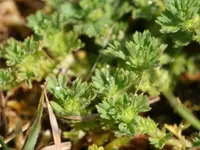
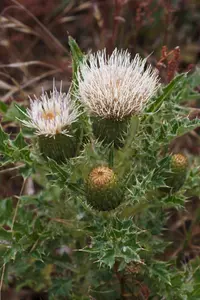
Alameda County thistle, Cirsium quercetorum, is a perennial thistle native to California, especially in oak woodland openings and grasslands. It forms upright clumps with spiny, lobed leaves and tall stems topped with rounded purple flower heads that attract many pollinators.

This species behaves as a tough, drought-tolerant wildflower rather than a delicate garden plant. It prefers full sun, open, well-drained soils, and low to moderate moisture.

Gardeners who want to care for Alameda County thistle should be comfortable managing its spines and potential spread, but those same traits make it resilient in dry, low-input landscapes.

Main Plant Requirements

Care Difficulty

Moderate Care

Light Preference

Full Sun

Water Requirements

Moderate Water

Temperature Preference

Cool Climate

Hardiness Zone

7–10

Soil Texture

Sandy, Loamy, Rocky

Soil pH

Slightly acidic (6.5–7.0), Neutral (7.0)

Soil Drainage

Well-drained

Fertilization

Minimal (feed rarely)

Get Personalized Care Plan

Scan your plant to receive care tips personalized for your specific plant

Available on iOS and Android

How to Care for the Alameda County thistle

This native thistle prefers open, bright sites with long daily sun exposure for strongest growth.

  • Provide 6–8 hours of direct sun daily; light afternoon shade is helpful in hotter inland areas to reduce leaf scorch.
  • Alameda County thistle tolerates light, shifting canopy shade, but dense shade leads to weak, lanky stems and reduced flowering.
  • In summer, prioritize morning sun and avoid reflected heat from walls; in cooler months, more all-day sun supports robust rosettes and flower production.

This species prefers dry to moderately dry conditions and is sensitive to prolonged soggy soil.

  • Water only when the top 3–5 cm of soil are completely dry; in the ground this may mean long intervals between deep soakings, especially on well-drained sites.
  • During hot, dry spells, watch for wilting leaves and slowed growth, then give a slow, deep watering that moistens the full root zone once signs appear.
  • Cirsium quercetorum shows overwatering as yellowing lower leaves and stem softness; improve drainage and reduce frequency if these symptoms appear.

This thistle is adapted to mild, dry-summer climates with cool winters and warm, not extreme, summers.

  • Active growth is strongest around 60–80°F (16–27°C), with flowering responding well to warm days and cooler nights typical of Mediterranean-type climates.
  • Mature plants usually tolerate light frosts down to about 25°F (-4°C), but repeated hard freezes below 20°F (-7°C) can damage crowns and reduce survival.
  • In hot spells above 95°F (35°C), growth may stall; combine mulch with slight afternoon shade to limit root heating and stress.

Humidity is not a significant factor for Cirsium quercetorum, which is adapted to dry air in its native habitats.

This species prefers mineral, well-drained soils that do not stay wet for long periods.

  • Use a sandy or gravelly loam with 20–40% coarse sand or grit to keep pores open and prevent compaction.
  • Aim for slightly acidic to neutral pH (6.0–7.2) to support nutrient availability without stressing roots.
  • In heavier soils, mix in small gravel and coarse compost to improve aeration and surface drainage for Cirsium quercetorum.
  • Avoid dense clay, waterlogged sites, or peat-heavy mixes that stay saturated and encourage root rot.

This species can be grown in containers, but containers must closely mimic its freely draining native conditions.

  • Choose a deep, heavy pot that resists tipping, since mature stems can become tall and wind-sensitive.
  • Fill the container with a gritty mix, such as 50–60% mineral components (sand, grit) to shed water rapidly around the taproot.
  • Elevate the pot slightly on feet or blocks so drainage holes never sit in collected runoff, preventing chronic moisture around the base.

This native thistle usually grows well in lean soils and needs minimal feeding in cultivation.

  • Use a light top-dressing of compost or well-rotted organic matter in early spring to support Alameda County thistle growth.
  • If additional nutrients are needed, apply a balanced slow-release fertilizer (around 10-10-10) at half strength once in spring.
  • Avoid fertilizing in late fall and winter to prevent soft, cold-sensitive growth and nutrient leaching.

Pruning Cirsium quercetorum focuses on safety, tidiness, and seed control rather than shaping.

  • In late winter or early spring, remove dead and damaged stems at the base using sharp bypass pruners and sturdy gloves.
  • Deadhead spent flower heads before seeds mature if spread needs to be limited in sensitive sites.
  • Cut back crowded or leaning stems to improve airflow and reduce fungal problems in damp climates.
  • Dispose of pruned, spiny material carefully to avoid injury and unwanted reseeding.

This species is best grown in the ground; transplanting is done sparingly and only when needed.

  • Transplant in early spring or early fall when temperatures are mild to reduce stress on roots and foliage.
  • Look for signs such as stunted growth, poor flowering, or a tight root mass when lifting plants from overly small planting pockets.
  • Dig a wide, deep hole, keeping as much native soil around the root system as possible, and replant at the same depth.
  • Water thoroughly after transplanting, then keep soil lightly moist (not waterlogged) for several weeks to support root recovery.

Propagation of Cirsium quercetorum is usually done by seed rather than vegetative methods.

  • Collect seed heads as they dry, before they disperse, and clean out fluff to obtain viable seed.
  • Sow seeds in fall outdoors or provide a cold stratification period of 4–6 weeks in the refrigerator before spring sowing.
  • Use a free-draining seed mix, keep it just moist, and provide bright light for best germination.
  • Transplant seedlings carefully once they have several true leaves, minimizing root disturbance.

This thistle is generally cold hardy in its native range and needs little winter care in the ground.

  • In regions with severe freezes, add a light mulch layer (2–5 cm) around the root zone after the first hard frost.
  • Leave some standing stems over winter to catch snow and insulate crowns, then cut back in late winter if desired.
  • For container-grown plants in colder zones, move pots against a sheltered wall and insulate containers to protect roots.

Care Tips

Early rosette management

In the first year, thin crowded rosettes to 20–30 cm apart to reduce competition and encourage stronger, deeper-rooted plants before they send up tall flowering stems.

Wind‑firm staking

In exposed sites, install a discreet stake on the windward side when stems reach 30–40 cm and tie loosely with soft ties to prevent lodging and stem breakage as the flower stalks elongate.

Seed head timing

If seed collection is desired, allow only selected central flower heads to mature fully, bag them with breathable mesh just before fluff appears, and deadhead the rest to limit unwanted self‑seeding.

Wildlife‑safe spacing

Space plants in staggered clumps with 40–60 cm gaps between groups to create wildlife habitat while still allowing access for gloves-on maintenance and safe passage around the spines when caring for Alameda County thistle.

Targeted rejuvenation

Every 2–3 years, remove older, weaker crowns at ground level just after flowering, leaving the most vigorous plants to maintain a healthy, long‑lived stand with better airflow and reduced disease pressure.

Common Pests and Diseases

Thistle aphids

This pest forms dense colonies on young stems, leaf undersides, and flower stalks, sucking sap and causing curling, distortion, and sticky honeydew. Symptoms include sooty mold growth on the honeydew and reduced vigor in stressed plants.

Solution

Dislodge colonies with a firm stream of water, then spot-treat remaining clusters with insecticidal soap or a light horticultural oil, covering leaf undersides carefully. Encouraging beneficial insects such as lady beetles and lacewings by avoiding broad-spectrum insecticides usually keeps populations in balance when growing Alameda County thistle in naturalized plantings.

Thistle stem weevils

These insects lay eggs in stems; the larvae tunnel inside, causing wilting shoots, weak stems, and sometimes lodging of tall flowering stalks. Symptoms include swollen or discolored stem sections and browning of affected shoots.

Solution

Cut and remove infested stems as soon as wilting or tunneling damage is noticed, disposing of them off-site to interrupt the life cycle. Avoid overfertilizing, which can promote lush, weak growth, and monitor flowering stems regularly during the growing season so damage is caught early.

Thistle rust

This disease is caused by rust fungi that create yellow to orange spots on upper leaf surfaces and powdery pustules on the undersides. Symptoms include premature leaf yellowing and, in severe cases, reduced flowering and vigor.

Solution

Remove and discard infected leaves as soon as spots and pustules appear, and avoid overhead watering that keeps foliage wet for long periods. Maintain good spacing and airflow, and where rust recurs, consider rotating plants and using a sulfur or copper-based fungicide labeled for ornamental rusts as a targeted preventive spray in early spring.

Powdery mildew

This disease appears as a white to gray, powdery coating on leaves and sometimes stems, often starting on lower or shaded foliage. Symptoms include distorted growth and gradual decline if coverage becomes heavy.

Solution

Improve air circulation by thinning nearby vegetation and avoid overhead irrigation, especially late in the day. Remove heavily affected leaves and, if needed, apply a low-impact fungicide such as potassium bicarbonate or horticultural oil according to label directions when the first white patches appear.

Leaf-chewing caterpillars

These insects feed on foliage and flower heads, leaving irregular holes and sometimes skeletonized leaves. Symptoms include frass (droppings) on leaves and visibly chewed bracts around flower heads.

Solution

Hand-pick caterpillars in the early morning or evening and drop them into soapy water, focusing on young rosettes and developing flower heads. Where defoliation is significant, use a targeted biological control such as Bacillus thuringiensis (Bt) applied to actively feeding foliage, taking care to avoid drift onto non-target native plants when possible.

Interesting Facts

California oak woodland specialist

This thistle is strongly associated with California oak woodlands and mixed evergreen forests, often growing in the partial shade and dappled light beneath oaks rather than in fully open grasslands like many other Cirsium species.

Locally endemic distribution

It is native and largely restricted to parts of central and northern California, including Alameda County and surrounding areas, making it a regionally endemic component of the coastal and inland hills flora.

Insect and bird resource

The flower heads support a diverse group of native pollinators, and later in the season the seeds are used by finches and other small birds, so Cirsium quercetorum plant care in restoration settings often focuses on maintaining it as a wildlife food source.

FAQs about Alameda County thistle

Growth is moderate rather than fast. In suitable conditions, it usually takes 2–3 seasons to build a strong root system and reach near-mature size. Poor, compacted soils or heavy shade noticeably slow its development.

Grow Healthy Plants with Botan Care

Keep your plants happy and healthy with plant identification, disease detection, and easy care guidance.

Botan plant care app — identify plants on mobile

Explore More Plants