Contain Rhizome Spread
Install a deep root barrier 30–45 cm into the soil around planting areas to keep aggressive rhizomes from invading lawns, beds, or neighboring properties.


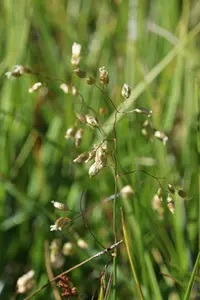
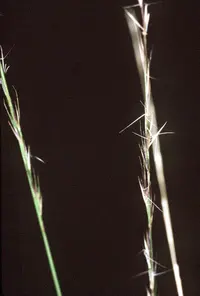
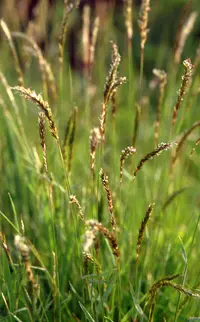
Torpedo grass, Panicum repens, is a warm-season perennial grass known for its creeping, fast-spreading growth via long, pointed rhizomes. It often forms dense, low stands with narrow, gray-green leaves and upright flowering stems.
This species is native to parts of Africa and Eurasia but is now common in warm, humid regions, especially along shorelines, wetlands, and disturbed sites. It is very persistent and can be difficult to control once established.
The plant tolerates a wide range of soils and moisture levels, from damp to periodically dry, which makes it hardy but also invasive in many areas. Understanding how to care for torpedo grass mainly helps with containment rather than encouraging its spread.

Care Difficulty
Moderate Care

Light Preference
Full Sun

Water Requirements
Aquatic

Temperature Preference
Warm Climate

Hardiness Zone
8–11

Soil Texture
Sandy, Loamy, Clay

Soil pH
Slightly acidic (6.5–7.0), Neutral (7.0)

Soil Drainage
Waterlogged tolerant

Fertilization
Minimal (feed rarely)
Scan your plant to receive care tips personalized for your specific plant
Available on iOS and Android
This warm-season grass thrives in open, bright conditions with long daily sun exposure.
This species is adapted to moist to saturated conditions and tolerates periodic standing water.
This warm-climate grass prefers hot conditions and loses vigor when exposed to sustained cold.
Panicum repens handles a wide humidity range and usually does not need special humidity management.
Panicum repens prefers consistently moist, loose mineral soils that do not stay anaerobic for long.
This species can be grown in containers, mainly where spread must be controlled or water levels managed.
Panicum repens usually needs minimal fertilization, especially in fertile or naturalized sites.
Pruning Panicum repens mainly manages spread and tidies the stand.
This rhizomatous grass is usually grown in-ground, so care focuses on controlled transplanting rather than frequent repotting.
Panicum repens is commonly propagated by division because its rhizomes spread vigorously.
In mild to warm climates, Panicum repens usually survives winter with minimal special care.

Plant Health Check
Not sure what's wrong with your plant? Check your plant's health inside the app.
This grass produces thick, creeping rhizomes that can float and spread in water, allowing fragments to move with currents and colonize new shorelines and irrigation ditches.
Panicum repens tolerates both prolonged flooding and moderate salinity, which lets it establish in brackish marshes, rice paddies, and coastal wetlands where many other grasses fail to compete.
Originally native to parts of Africa and Eurasia, it is now a serious invasive species in warm regions worldwide, including the southeastern United States, where it displaces native wetland plants and disrupts water flow in canals.

In rice-growing regions, Panicum repens can survive repeated tillage and herbicide treatments because its underground rhizome network persists deep in the soil, allowing the plant to resprout even after the above-ground shoots are removed.
This species spreads very aggressively through creeping rhizomes that form dense mats. It can quickly overtake lawns, garden beds, and shorelines, often outcompeting other plants and becoming difficult to remove once established.
Keep your plants happy and healthy with plant identification, disease detection, and easy care guidance.