broom brome Care (Bromus scoparius)

Also known as: Brown Brome
broom brome

About broom brome

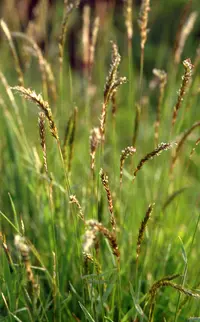
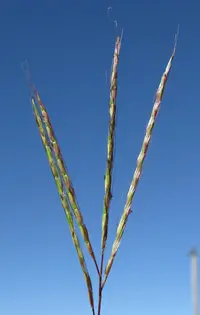
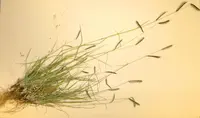
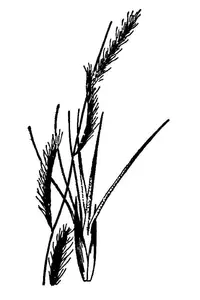
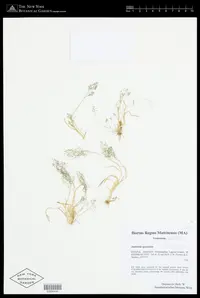
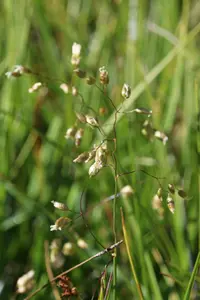
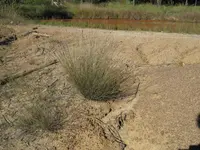
Bromus scoparius, commonly called broom brome, is a tuft-forming ornamental grass valued for its fine texture and airy flower heads. It typically forms upright clumps with slender stems and narrow leaves that move easily in light wind.

This species is native to parts of Eurasia and is often found in open, sunny meadows and dry, well-drained sites. It tends to be relatively undemanding, which can make it straightforward to care for broom brome in gardens with similar conditions.

The plant generally prefers full sun, moderate moisture, and soils that do not stay waterlogged. Its simple needs and natural resilience suit low-maintenance, naturalistic plantings.

Main Plant Requirements

Care Difficulty

Easy Care

Light Preference

Full Sun

Water Requirements

Low Water

Temperature Preference

Cold Hardy

Hardiness Zone

4–9

Soil Texture

Sandy, Loamy, Rocky

Soil pH

Slightly acidic (6.5–7.0), Neutral (7.0)

Soil Drainage

Well-drained

Fertilization

Minimal (feed rarely)

Get Personalized Care Plan

Scan your plant to receive care tips personalized for your specific plant

Available on iOS and Android

How to Care for the broom brome

This cool-season grass prefers open, bright conditions to form dense, upright clumps.

  • Provide full sun for 6–8 hours daily; light afternoon shade is acceptable in hotter regions to reduce stress on broom brome foliage.
  • Plant in an open, unshaded spot; tolerate light partial shade, but stems become weaker and more prone to lodging in under 4–5 hours of sun.
  • In summer, protect from intense reflected heat from walls or pavement; in cooler seasons, maximize direct sun to support strong regrowth.

This bunchgrass prefers evenly moist but not saturated soil, especially during establishment.

  • Water when the top 3–5 cm of soil feels dry, applying a deep soak rather than frequent light sprinkling to encourage deeper roots.
  • Ensure sharply draining soil; prolonged puddling, sour smell, or yellowing, floppy foliage indicate overwatering or poor drainage issues.
  • Reduce watering once Bromus scoparius is established, especially in cool or rainy seasons; crisp leaf tips and rolling leaves suggest it has stayed dry too long.

This species is a cool-season grass that grows best in moderate temperatures and tolerates winter cold.

  • Active growth occurs around 50–70°F (10–21°C); it slows in heat above about 80°F (27°C) but typically survives short warm spells.
  • Mature plants handle winter lows near 0°F (−18°C) in well-drained soil, though young seedlings are more sensitive to sudden hard frosts.
  • In hotter climates, use slight afternoon shade and reliable soil moisture to reduce heat stress, and expect most vigorous growth in spring and fall.

This grass tolerates a wide range of humidity and usually does not need special humidity management outdoors.

This species prefers mineral, well-aerated soils that shed excess water quickly.

  • Use a sandy or sandy-loam mix with 20–30% coarse sand or fine grit to keep the root zone open.
  • Aim for slightly acidic to neutral pH, around 6.0–7.0, which supports balanced nutrient availability.
  • In heavier soils, incorporate coarse compost and sharp sand to break up compaction and improve drainage channels.
  • Avoid dense clay, waterlogged spots, or peat-heavy mixes that stay wet and exclude oxygen from the roots.

This species can be grown in containers if the pot is set up to drain quickly and remain stable in wind.

  • Choose a deep, wide container that allows fibrous roots to spread horizontally without circling tightly near the walls.
  • Use a gritty, fast-draining medium and raise the pot slightly on feet so drainage holes never sit in collected water.
  • Opt for a heavier material such as ceramic or thick-walled terracotta to reduce tipping risk from tall, tufted growth.

This grass grows on poor soils and usually needs only light feeding to maintain healthy growth.

  • Use a balanced slow-release fertilizer (for example 10-10-10) or a thin layer of compost in early spring as growth starts.
  • Apply once per growing season for established broom brome in average garden soil; skip feeding on very fertile sites.
  • Dilute liquid feeds to 1/2 strength if used, watering onto moist soil to avoid root burn.
  • Stop fertilizing in late summer so new growth can harden before winter dormancy.

Pruning Bromus scoparius is mainly done to tidy clumps and manage fresh regrowth.

  • Cut back old or winter-damaged foliage in late winter or very early spring before new shoots elongate.
  • Remove dead, weak, or badly lodged stems at the base to improve air flow and reduce fungal issues.
  • Shear or hand-trim spent flowering stems to maintain a neat shape and encourage dense, fresh growth.
  • Use clean, sharp shears or scissors, making cuts above the crown without scalping into growing points.

This bunchgrass is usually grown in the ground, so focus on careful transplanting rather than frequent repotting.

  • Transplant in early spring or early fall when temperatures are mild and soil is moist but not waterlogged.
  • Choose a sunny, well-drained site and plant at the same depth as before, spreading roots gently from any circling pattern.
  • Water thoroughly after planting, then keep soil evenly moist for 2–3 weeks to limit transplant shock.
  • If grown in containers, move to a slightly larger pot every 2–3 years when roots circle and growth slows.

Bromus scoparius is most often propagated from seed, which suits naturalistic and restoration-style plantings.

  • Sow fresh or stored seed in late fall outdoors for natural cold stratification, or in early spring under cool conditions.
  • Use a free-draining seed mix, cover seed very lightly, and keep evenly moist until germination.
  • Provide bright light and good air flow for seedlings, thinning crowded clumps to reduce damping-off disease.
  • For established clumps, divide in early spring, replanting divisions promptly and watering to settle the soil.

This cool-season grass is generally cold hardy in temperate climates and needs little specific winter care.

  • In colder regions, leave dry foliage standing over winter to insulate the crown and provide some snow protection.
  • In exposed sites, apply a light mulch around the root zone after the ground cools, keeping mulch off the crown.
  • Container-grown plants in very cold areas can be moved to a sheltered, unheated but frost-free spot if roots are at risk.

Care Tips

Early weed suppression

Mulch lightly with a 2–3 cm layer of clean, seed‑free straw around young plants to reduce weed pressure during establishment without smothering new shoots.

Timed seed cutting

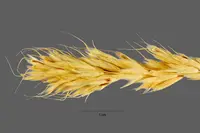
If you do not want self‑seeding, shear off seed heads just as they turn from green to straw‑colored, leaving the foliage intact so the plant can keep photosynthesizing through the season.

Clump renewal

Every 2–3 years, lift and divide congested clumps in early spring, replanting only the most vigorous outer sections to maintain strong growth and tidy form.

Slope stabilization use

Plant in staggered rows on banks or slopes, spacing plants closer than usual (about 20–25 cm apart) so the root systems knit together and help reduce surface erosion over time.

Targeted pest scouting

Inspect leaf bases and lower stems every few weeks for aphids or fungal spotting, and if found, remove the most affected shoots and improve airflow before considering any treatment when growing broom brome.

Common Pests and Diseases

Leaf rust

This disease causes yellow to orange-brown pustules on leaves and stems, often leading to premature leaf drying and reduced vigor. Symptoms include small, powdery spots that can merge into larger patches under humid conditions.

Solution

Remove and dispose of heavily infected foliage to reduce spore load, and avoid overhead irrigation to keep leaf surfaces as dry as possible. Improve spacing and airflow around clumps, and in severe or recurring cases use a labeled grass fungicide early in the season, rotating active ingredients to limit resistance.

Powdery mildew

This disease appears as white to gray, powdery patches on leaf surfaces that may cause leaf curling and reduced growth. Symptoms include a dusty coating that is most noticeable in shaded or overcrowded plantings.

Solution

Thin and divide dense plantings to increase air movement and sunlight penetration, and water at the base rather than on foliage. Remove the most affected leaves and, if needed, apply a sulfur or potassium bicarbonate fungicide labeled for ornamental grasses at the first sign of infection.

Aphids

These insects feed on sap from young shoots and leaves, causing leaf curling, distortion, and sticky honeydew that can lead to sooty mold growth. This pest often concentrates on tender new growth and can build up quickly in sheltered sites.

Solution

Dislodge colonies with a strong stream of water and remove the most infested stems if numbers are high. Encourage natural predators such as lady beetles, and if populations remain high, use insecticidal soap or a light horticultural oil, making sure to cover both sides of the leaves.

Grass thrips

These insects rasp and suck on leaf tissue, creating silvery streaks, small brown patches, and a rough or speckled appearance on blades. This pest is more common in hot, dry weather and can reduce overall plant quality.

Solution

Increase humidity around the stand slightly with regular but not excessive irrigation and avoid heavy nitrogen fertilization that promotes very soft growth. Inspect leaves regularly and, if damage is significant, apply insecticidal soap or a systemic product labeled for thrips on ornamental grasses, following all label directions to protect beneficial insects.

Interesting Facts

Mediterranean steppe native

This annual grass is native to dry, open habitats around the Mediterranean Basin and western Asia, where it has adapted to shallow, nutrient-poor soils and a pronounced summer-dry climate.

Early successional colonizer

Bromus scoparius tends to appear in disturbed sites such as field margins, roadsides, and fallows, acting as an early successional species that can quickly establish and then give way to longer-lived vegetation.

Fine textured inflorescences

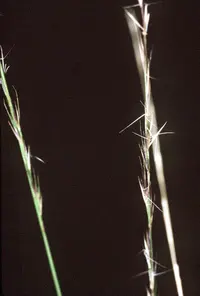
The plant forms delicate, many-branched flower clusters with small spikelets, giving a soft, airy texture that is sometimes valued in dried arrangements in regions where it is locally available.

FAQs about broom brome

This grass can self-seed and spread, especially in open, disturbed sites. In managed gardens, remove seed heads before they shatter, limit bare soil, and monitor nearby areas so it does not form unwanted patches.

Grow Healthy Plants with Botan Care

Keep your plants happy and healthy with plant identification, disease detection, and easy care guidance.

Botan plant care app — identify plants on mobile

Explore More Plants