Establish in-situ
Sow or plant directly in the final position when possible, as this grass resents root disturbance and often establishes more strongly when not transplanted repeatedly.

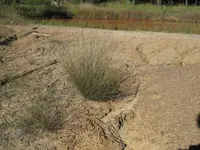
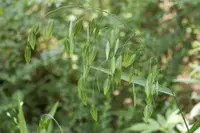
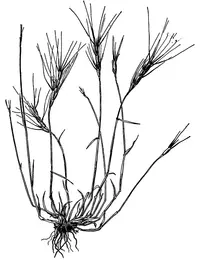
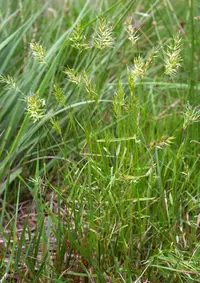
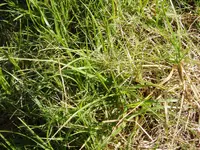
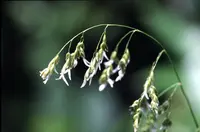
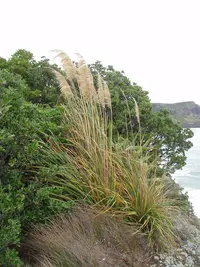
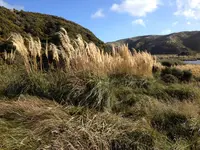
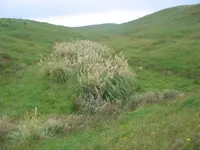
Purple wiregrass (Aristida ramosa) is a fine-textured, tufted perennial grass known for its slender, wiry stems and delicate, often purplish flower heads. It typically forms loose clumps that move easily in the wind, giving a soft, airy look in landscapes.
This species is native to dry, open habitats in parts of Australia, where it has adapted to nutrient-poor, well-drained soils and irregular rainfall. Its drought tolerance and modest nutrient needs generally make it low-maintenance once established, though it prefers sunny positions and avoids waterlogged ground.
Gardeners who want to learn how to care for purple wiregrass usually focus on providing good drainage, full light, and minimal disturbance to its root zone.

Care Difficulty
Easy Care

Light Preference
Full Sun

Water Requirements
Low Water

Temperature Preference
Warm Climate

Hardiness Zone
9–11

Soil Texture
Sandy, Loamy, Rocky

Soil pH
Slightly acidic (6.5–7.0), Neutral (7.0)

Soil Drainage
Well-drained

Fertilization
Minimal (feed rarely)
Scan your plant to receive care tips personalized for your specific plant
Available on iOS and Android
This warm-season grass thrives in open, bright sites with plenty of direct sun.
This species prefers dry to moderately dry soils and is sensitive to prolonged wetness.
This warm-climate grass performs best in mild to hot conditions and slows in cool weather.
This grass tolerates a wide humidity range and rarely needs special adjustment in typical outdoor conditions.
Aristida ramosa prefers lean, fast-draining soil that mimics dry, open habitats.
This species can be grown in containers if the pot and mix are chosen to stay sharply drained and stable in wind.
Aristida ramosa is adapted to nutrient-poor soils and usually grows well with minimal feeding.
Aristida ramosa needs only light pruning to maintain a tidy, airy clump.
This grass is more often transplanted in the landscape than repotted, as it is usually grown in the ground.
Aristida ramosa is commonly propagated by seed and occasionally by careful division of established clumps.
This warm-season grass is fairly cold tolerant in mild climates and usually needs minimal winter care.

Plant Health Check
Not sure what's wrong with your plant? Check your plant's health inside the app.
This species is native to eastern Australia, where it is most common in dry sclerophyll forests and open woodlands on poor, sandy or rocky soils, often forming part of the understory in nutrient-poor habitats.
Its spikelets carry three long bristle-like awns that twist and catch onto fur, feathers, or clothing, helping the seeds hitchhike away from the parent plant and spread through the landscape.
The plant has a fine, fibrous root system and narrow leaves that reduce nutrient demand and water loss, allowing it to persist where many pasture grasses and ornamental species struggle to establish.
Lack of flowers usually comes from too much shade, overly rich or frequently fertilized soil, or heavy, wet conditions. This species flowers best in lean, well-drained ground with full sun and minimal disturbance or shearing.
Keep your plants happy and healthy with plant identification, disease detection, and easy care guidance.