Japanese Forest Grass Care (Hakonechloa macra 'All Gold')

Also known as: Forest Grass, Hakone Grass
Japanese Forest Grass

About Japanese Forest Grass

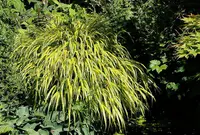
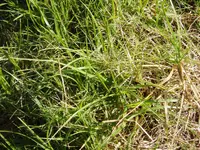
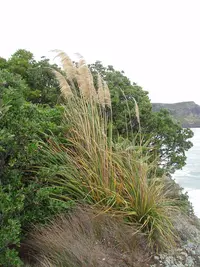
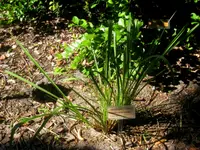
Japanese forest grass Hakonechloa macra 'All Gold' is a compact, clumping ornamental grass valued for its bright yellow foliage and graceful, arching habit. It forms low, cascading mounds that resemble a soft waterfall of narrow leaves, adding movement and texture to shaded beds and containers.

This species originates from the cool, moist woodlands of Japan, which explains its preference for partial shade and consistently moist, well-drained soil. It grows slowly but steadily and is generally low maintenance once established, making it suitable for gardeners learning how to care for Japanese Forest Grass.

Main Plant Requirements

Care Difficulty

Moderate Care

Light Preference

Partial Shade

Water Requirements

Regular Water

Temperature Preference

Cold Hardy

Hardiness Zone

5–9

Soil Texture

Loamy, Silty, Organic-rich

Soil pH

Acidic (5.5–6.5), Slightly acidic (6.5–7.0)

Soil Drainage

Moist but well-drained

Fertilization

Minimal (feed rarely)

Get Personalized Care Plan

Scan your plant to receive care tips personalized for your specific plant

Available on iOS and Android

How to Care for the Japanese Forest Grass

This grass prefers bright, gentle light that keeps its foliage golden rather than scorched or faded.

  • Provide 3–5 hours of morning sun with light or dappled shade the rest of the day for best color and growth.
  • Tolerates partial shade, but in deep shade the leaves of Japanese Forest Grass may elongate, flop, and lose their vivid yellow tone.
  • In hot summers, protect from strong midday and afternoon sun to prevent leaf scorch and dry, brown tips, especially in exposed sites.

Moist, cool, well-drained soil supports dense, healthy clumps of Hakonechloa macra 'All Gold'.

  • Water when the top 2–4 cm of soil feels dry, aiming for consistently moist but never soggy conditions around the root zone.
  • Increase watering during hot, dry spells and reduce in cool, rainy weather, adjusting so the soil surface can slightly dry between waterings.
  • Watch for wilting, crisp leaf edges, and stalled growth as signs of underwatering, and yellowing, limp foliage or a sour soil smell as signs of overwatering or poor drainage.

This shade grass prefers mild conditions and tolerates winter cold when established in the ground.

  • Active growth is strongest in spring and early summer at 60–75°F (16–24°C), with steady soil moisture supporting new shoots.
  • Established clumps are hardy to about -10°F (-23°C) in the ground, dying back and overwintering as dormant crowns beneath mulch or leaf litter.
  • In hot regions, prolonged periods above 86°F (30°C) can stress plants; provide shade, mulch, and reliable moisture to prevent leaf scorch and decline.

This grass prefers moderate humidity but adapts well to typical outdoor conditions in temperate gardens.

  • Aim for 40–60% humidity; outdoor air in most regions is sufficient for healthy growth.
  • Dry, hot winds can crisp leaf tips; provide shelter or windbreaks in exposed sites.
  • If leaves brown at edges despite adequate water, increase local humidity by mulching heavily and grouping plants.

Hakonechloa macra 'All Gold' grows best in consistently moist, loose, organic-rich soil.

  • Use a loamy soil rich in organic matter that holds moisture yet stays friable, avoiding heavy, compacted clay.
  • Aim for slightly acidic to neutral pH, roughly 6.0–7.0, which supports nutrient availability and strong root growth.
  • In beds or large containers, blend garden soil with compost and fine bark, adding a small amount of coarse sand or grit for drainage.
  • Improve aeration by incorporating 5–10 cm of composted leaf mold into the top layer and avoid low spots where water stands after rain.

This ornamental grass is well suited to container growing on patios or shaded terraces.

  • Select a wide, shallow to medium-depth pot that allows the clump to spread sideways rather than forcing deep root growth.
  • Choose a heavier material such as ceramic or concrete to keep the arching foliage stable in wind and to slow moisture loss.
  • Raise the container slightly on feet so excess water drains freely and air can circulate under the base, reducing root rot risk.

This grass benefits from light, consistent feeding during the growing season to maintain strong color and steady growth.

  • Use a balanced, slow-release granular fertilizer (for example, 10-10-10) or a thin layer of mature compost in early spring.
  • Apply once in spring and, if growth seems weak, a second light dose in mid-summer for caring for Japanese Forest Grass.
  • In containers, use a half-strength balanced liquid feed every 4–6 weeks from spring to late summer on moist soil.
  • Stop feeding in fall and winter when growth is dormant to avoid soft, frost-tender foliage.

Pruning keeps Hakonechloa macra 'All Gold' neat and encourages fresh, luminous foliage each year.

  • Cut back the entire clump to 5–8 cm in late winter or very early spring before new shoots emerge.
  • Remove dead, broken, or diseased blades during the season with clean hand pruners or sharp scissors.
  • Thin out congested sections by trimming a few older tufts at the base to maintain an even, arching mound.
  • Disinfect tools before and after use to reduce the risk of spreading fungal or bacterial problems.

This ornamental grass is usually grown in the ground, with transplanting or occasional division used to refresh growth or adjust spacing.

  • Plan transplanting or potting-on for early spring or early fall when temperatures are mild and soil is workable.
  • Look for signs such as roots circling inside containers, very slow growth, or a congested clump pushing outward from the center.
  • Divide and move clumps every 3–5 years, lifting carefully and keeping root masses moist and shaded during the process.
  • Replant at the same depth in rich, well-drained soil, water thoroughly, and provide shade and consistent moisture for 1–2 weeks to limit shock.

Division is the standard and most reliable method for increasing Hakonechloa macra 'All Gold' plants.

  • Carry out division in early spring just as new shoots begin, or in early fall while soil is still warm.
  • Lift the clump gently and split it into several sections, each with healthy shoots and a solid root mass.
  • Replant divisions promptly at the same depth in moist, well-drained soil with partial shade.
  • Water thoroughly after planting and keep evenly moist until new growth clearly resumes.

This grass is generally cold hardy, needing only modest winter care in most temperate gardens.

  • Tolerates typical winter frost in USDA zones around 5–9 once established, dying back to the crown.
  • Allow dry foliage to remain over winter as a natural mulch and insulation for the crown.
  • In colder or exposed sites, add a 5–8 cm layer of leaf mold or bark mulch over the root zone in late fall.
  • Move container plants to a sheltered, frost-free or minimally frosty spot and avoid waterlogged compost during winter.

Care Tips

Mulch For Color

Apply a 3–5 cm layer of fine bark mulch around the clump each spring to conserve soil moisture and make the bright foliage stand out while keeping mulch a few cm away from the crowns to prevent rot.

Edge Containment

Install a shallow edging strip (5–8 cm deep) around beds to gently contain slow-spreading rhizomes and maintain the plant’s neat, mounded shape along paths or borders.

Staggered Division

Divide mature clumps every 3–5 years in early spring, replanting only vigorous outer sections and discarding weak centers to keep plantings dense and uniform when growing Japanese Forest Grass.

Summer Shade Cloth

In hotter regions, use 30–40% shade cloth during the brightest weeks of summer to reduce foliage scorch on exposed sites, removing it as soon as light intensity drops in late season.

Leaf Debris Management

Leave fallen foliage in place over winter as a natural mulch, then remove and compost it in late winter before new growth emerges to reduce fungal issues and keep crowns clean.

Common Pests and Diseases

Rust

This disease causes small orange, brown, or yellow pustules on leaves, often leading to premature browning and thinning of the clump.

Solution

Remove and dispose of affected leaves, avoid overhead watering, and improve air circulation around the plant; in repeated cases, use a labeled grass-safe fungicide in spring as new foliage emerges and keep the planting area weed-free to reduce spore sources.

Leaf spot

This disease produces tan to dark brown lesions on leaf blades, sometimes with a yellow halo, giving the foliage a scorched or patchy look.

Solution

Cut out and discard heavily marked leaves, thin crowded clumps to improve airflow, water at soil level, and apply a suitable ornamental grass fungicide during prolonged wet weather if spots continue to spread.

Crown rot

Symptoms include sudden collapse of whole sections of the clump, with the basal growth point turning brown and mushy, often in poorly drained or waterlogged sites.

Solution

Dig out and discard severely affected crowns, improve drainage with raised beds or amended soil, avoid overwatering, and replant healthy divisions in well-drained, humus-rich soil to support long-term growing Japanese Forest Grass in the same area.

Slugs and snails

These pests chew irregular holes along leaf edges and tips, especially on young spring growth in shaded, moist beds.

Solution

Hand-pick at dusk, reduce hiding spots such as dense mulch layers, use copper barriers or iron phosphate slug pellets around the clump, and keep foliage slightly drier at the base to make the habitat less favorable.

Grass thrips

These insects rasp the leaf surface, causing fine streaks, silvery patches, or a faded appearance, particularly during hot, dry periods.

Solution

Rinse foliage thoroughly with a strong but gentle stream of water, encourage natural predators such as lacewings, and if damage persists, use an insecticidal soap or neem oil spray, targeting the undersides of leaves and repeating as directed on the product label.

Interesting Facts

Shade-tolerant golden foliage

This cultivar maintains its bright yellow foliage color even in relatively low light compared with many other ornamental grasses, though some morning sun helps keep the color vivid without scorching.

Naturally compact habit

It is smaller and denser than the straight species Hakonechloa macra, forming tight, low mounds that suit containers, path edges, and small gardens without much need for pruning.

Color shift through seasons

The leaves emerge bright yellow in spring, often take on soft chartreuse or pale lime tones in summer depending on light, and can develop warmer, slightly golden or buff hues as autumn progresses.

FAQs about Japanese Forest Grass

This species spreads slowly by short rhizomes, forming clumps that widen over several years. It does not run or take over beds. Occasional division keeps clumps dense and allows gardeners to grow Hakonechloa macra 'All Gold' in more locations.

Grow Healthy Plants with Botan Care

Keep your plants happy and healthy with plant identification, disease detection, and easy care guidance.

Botan plant care app — identify plants on mobile

Explore More Plants