Staggered Sowings
Make 2–3 small sowings at 2–3 week intervals rather than one large sowing to extend the ornamental period and ensure fresh, upright growth as older plants begin to decline.

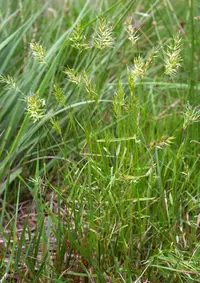
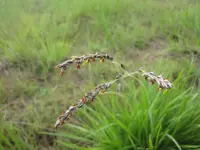
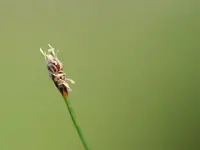
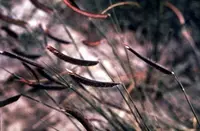
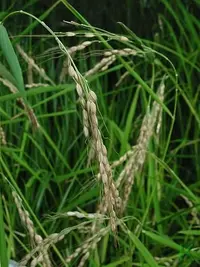
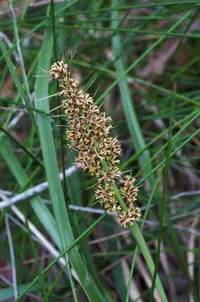
Annual vernalgrass (Anthoxanthum aristatum) is a small, short-lived grass that completes its life cycle in a single growing season. It forms loose clumps with fine, soft leaves and narrow flower spikes that give a delicate, airy look.
This species is native to Europe but has naturalized in many temperate regions, including parts of North America, often in fields, roadsides, and disturbed soils. It tends to be relatively undemanding, which makes it straightforward to care for annual vernalgrass in informal meadows or naturalistic plantings.
It usually prefers full sun, moderately moist conditions, and well-drained, not overly rich soil, where it can germinate quickly and set seed before summer heat intensifies.

Care Difficulty
Easy Care

Light Preference
Full Sun

Water Requirements
Moderate Water

Temperature Preference
Cool Climate

Hardiness Zone
5–9

Soil Texture
Sandy, Loamy, Silty

Soil pH
Acidic (5.5–6.5), Slightly acidic (6.5–7.0)

Soil Drainage
Well-drained

Fertilization
Minimal (feed rarely)
Scan your plant to receive care tips personalized for your specific plant
Available on iOS and Android
This cool-season grass prefers bright, gentle sun rather than intense midday exposure.
This shallow-rooted species prefers consistently moist but not saturated soil during active growth.
This annual grass grows best in cool to mild conditions typical of early spring.
This grass tolerates a wide humidity range and usually does not need special humidity management outdoors.
This species prefers light, well-drained mineral soils that do not stay wet for long.
This species can be grown in containers if the pot is set up to drain very quickly.
This short-lived grass generally needs minimal feeding, especially in reasonably fertile soil.
Pruning Anthoxanthum aristatum is simple and mainly focused on tidiness and seed control.
This annual grass is more often direct-sown or transplanted outdoors than grown long-term in containers.
Propagation of Anthoxanthum aristatum is almost always done from seed rather than division or cuttings.
As a cool-season annual, this grass usually dies back after setting seed and needs little specific winter care.

Plant Health Check
Not sure what's wrong with your plant? Check your plant's health inside the app.
When the plant dries, its leaves and flowering stems release a noticeable sweet scent similar to new-mown hay, caused largely by the compound coumarin, which is also found in sweet vernalgrass and sweet woodruff.
This grass commonly behaves as a winter annual in many regions, germinating in autumn, overwintering as small seedlings, and then growing rapidly in spring before setting seed and dying back in early summer.
It is often found in light, sandy, or otherwise nutrient-poor soils where competition from taller grasses is reduced, allowing its short stature and rapid life cycle to become an advantage.

In parts of western North America and Australia, this species is considered a minor agricultural and ecological weed because its early-season growth and prolific seed production allow it to colonize disturbed fields and overgrazed pastures ahead of more desirable forage species, though it rarely forms dense, persistent monocultures.
This species can self-seed readily and form loose patches, especially in open, disturbed soil. It is usually not strongly rhizomatous, but unwanted spread is limited by mowing, timely deadheading, and removing seedheads before they fully mature.
Keep your plants happy and healthy with plant identification, disease detection, and easy care guidance.