red bulrush Care (Blysmus rufus)

Also known as: saltmarsh flat-sedge
red bulrush

About red bulrush

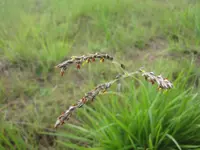
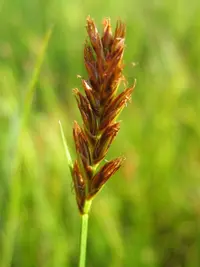
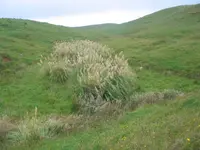
Red bulrush (Blysmus rufus) is a small, clumping sedge-like plant typically found in coastal and wetland habitats. It forms low, tufted stands with reddish-brown flower spikes that give the plant its common name.

This species naturally occurs in cool, northern regions, often along salt-influenced shores, marshes, and damp meadows. It is adapted to wet, sometimes brackish conditions and tolerates wind and poor, sandy or peaty soils.

Its compact growth and tolerance of challenging, wet sites make it relatively undemanding where conditions are suitable. Gardeners who want to care for red bulrush should provide consistently moist soil and an open, light position, ideally in or near water.

Main Plant Requirements

Care Difficulty

Moderate Care

Light Preference

Full Sun

Water Requirements

Aquatic

Temperature Preference

Cold Hardy

Hardiness Zone

3–8

Soil Texture

Sandy, Loamy, Silty

Soil pH

Acidic (5.5–6.5), Slightly acidic (6.5–7.0)

Soil Drainage

Waterlogged tolerant

Fertilization

Minimal (feed rarely)

Get Personalized Care Plan

Scan your plant to receive care tips personalized for your specific plant

Available on iOS and Android

How to Care for the red bulrush

This wetland sedge prefers cool, bright conditions that mimic open shorelines.

  • Provide 4–6 hours of direct morning sun with light shade or filtered light in the afternoon, especially in hotter regions.
  • Tolerates partial shade (2–4 hours of direct sun) but stems may grow softer and color less intense on red bulrush if light is too low.
  • In summer, protect from intense afternoon sun to prevent leaf scorch; in winter, maximize exposure by avoiding shade from structures or evergreen plants.

This species is adapted to consistently wet to saturated soils rather than periodic drying.

  • In natural or boggy sites, allow soil to stay saturated or with shallow standing water; avoid letting the root zone dry out completely.
  • For more drained soils, water whenever the surface looks damp but not cracked and the top 1–2 cm feels just barely moist rather than dry.
  • Overwatering is rarely a concern in open, mucky ground; underwatering shows as dull, folding, or browning leaf tips, especially during warm, windy periods.

This cool-temperate sedge is hardy and tolerates a wide temperature range outdoors.

  • Active growth is strongest around 50–70°F (10–21°C), with steady shoot development and stable coloration.
  • Mature plants tolerate cold down to about 0°F (−18°C) in many sites, though foliage may burn or die back while rhizomes survive under insulating soil or snow.
  • Heat above 80–85°F (27–29°C) is tolerated if soil stays saturated; in hot spells, dry soil plus heat increases stress and can lead to leaf tip scorch.

This wetland sedge prefers consistently moist air but adapts to most outdoor humidity levels.

  • Aim for 60–80% humidity when grown in sheltered or container situations to reduce leaf tip drying.
  • It tolerates short spells of drier air, but prolonged <40% humidity can cause browning and curling of foliage tips.
  • Increase humidity by grouping pots near water features or standing containers in shallow trays of water with the crowns kept above the waterline.

This species thrives in saturated, organic-rich substrates that mimic marsh or stream-edge conditions.

  • Use a heavy loam rich in organic matter, such as garden soil blended with 30–50% compost, to hold moisture and nutrients.
  • Allow very slow drainage or even permanently wet conditions; standing water around the root zone is acceptable and often beneficial for Blysmus rufus.
  • A slightly acidic to neutral pH around 5.5–7.0 supports healthy growth and nutrient availability in this sedge.
  • Avoid sandy, fast-draining, or compacted mineral soils; if soil drains too quickly, incorporate clay loam and additional compost to improve water retention while maintaining some pore spaces for oxygen.

This species can be grown in containers if the pot is managed to keep the root zone consistently wet without submerging the crown too deeply.

  • Choose a deep, weighty container that resists tipping, since waterlogged media and upright foliage make the planting top-heavy in wind.
  • Block some drainage holes or use a saucer to maintain a shallow water reservoir while still allowing limited overflow after heavy rain.
  • Select thick-walled or non-porous pots to slow evaporation so the substrate remains saturated between waterings or refills of the reservoir.

This wetland sedge needs very modest feeding, especially when grown in nutrient-rich, naturalistic sites.

  • Use a light top-dressing of compost or a low-dose, balanced NPK fertilizer (around 10-10-10) in early spring for container or poor-soil plantings of red bulrush.
  • Feed once at the start of the active growing season; avoid multiple applications in fertile garden beds or natural wetlands.
  • Apply any liquid fertilizer at half the label-recommended strength to prevent soft, weak growth in saturated soils.
  • Do not fertilize during winter dormancy, and stop feeding by late summer so new growth hardens before cold weather.

Pruning needs for Blysmus rufus are minimal and focus on tidying, not reshaping the plant.

  • Best timing is late winter to early spring, before strong new growth begins.
  • Cut back dead, damaged, or winter-flattened leaves at the base using clean hand pruners or sharp scissors.
  • Remove congested or yellowing clumps to maintain a neat outline and allow light and air into the crown.
  • Avoid hard cutting into healthy green shoots, as this sedge holds its natural form without heavy shaping.

This species is more often transplanted in moist ground than kept long term in containers.

  • Plan transplanting for early spring or early fall, when temperatures are mild and soil moisture is high.
  • Look for signs such as slow growth, declining vigor, or overcrowded clumps before lifting and dividing Blysmus rufus.
  • Lift the clump carefully with a spade, keep soil around the roots, and replant at the same depth into saturated, organic-rich soil.
  • Water thoroughly after transplanting and maintain consistent moisture to limit root stress and encourage fast re-establishment.

Propagation of this sedge is most reliable by division, with seed used mainly for habitat or restoration projects.

  • Divide established clumps in early spring, when new shoots start to emerge but heat stress is low.
  • Lift the plant, then split it into sections, each with healthy roots and several shoots.
  • Replant divisions immediately into consistently moist or shallowly flooded soil, firming gently around the roots.
  • For seed, sow fresh in cool, moist conditions and keep the substrate wet to support slow but steady germination.

This cold-hardy wetland plant usually needs little winter care when grown in the ground within its climate range.

  • In very cold areas, add a light mulch layer around the root zone to buffer freeze–thaw cycles without burying the crown.
  • Leave standing foliage over winter in exposed sites to catch snow and insulate the base, then trim in late winter.
  • For containers, move pots to a frost-sheltered, unheated space or sink them into the ground to protect roots from deep freezing.

Care Tips

Waterline Management

In pond or edge plantings, keep the crown just at or slightly above the waterline by gradually adjusting planting depth over several weeks, which prevents rot while allowing roots to adapt to wetter conditions.

Clump Renewal

Every 3–4 years, lift and divide the clumps in early spring, discarding any woody or hollow centers and replanting only the youngest outer sections to maintain dense, upright growth.

Erosion Control Use

On shorelines or along stream edges, plant in staggered rows 20–30 cm apart to stabilize soil and reduce erosion, firming the substrate well around the roots so water flow does not wash plants out.

Salinity Monitoring

In coastal or brackish sites, periodically test soil or water salinity and, if salt levels rise noticeably, flush the root zone with fresh water to prevent long-term stress and decline.

Winter Habitat Value

Leave foliage and stems standing through winter in colder regions to protect the crown and provide habitat, then cut back dead material close to the base in late winter as part of caring for red bulrush before new growth emerges.

Common Pests and Diseases

Sedge gall midge

This pest forms small, swollen galls on stems or leaf bases where larvae feed inside plant tissues. Symptoms include distorted shoots and localized thickening at the lower parts of the culms.

Solution

Cut and remove affected galled stems at the base and dispose of them away from wetland areas to break the insect life cycle. In naturalistic plantings, keep clumps vigorous with proper water and nutrition so they outgrow light damage; chemical control is rarely necessary or recommended for Blysmus rufus care instructions in garden or restoration settings.

Rust fungus

This disease causes orange to brown powdery pustules on leaves and stems, often leading to yellowing and early dieback of foliage. Symptoms include reduced vigor and thinning of clumps over time.

Solution

Remove and discard heavily infected leaves and any dense, matted debris around the plant to reduce spore levels. Improve air movement through thinning and avoid overhead watering, and in high-value plantings a labeled rust fungicide can be used according to local regulations and instructions.

Leaf spot complex

This disease group produces small, water-soaked lesions that turn brown or gray with darker margins on leaves, sometimes coalescing into larger dead patches. Symptoms include premature leaf aging and a patchy, scorched appearance on older blades.

Solution

Trim off and dispose of badly spotted foliage and maintain a regular schedule of removing old, dead leaves to reduce pathogen buildup. Provide consistent but not stagnant moisture, avoid crowding with other sedges and rushes, and use a labeled foliar fungicide only if spots are spreading rapidly in managed plantings.

Aphids

These insects cluster on tender shoots and leaf bases, sucking sap and causing slight curling, yellowing, or sticky honeydew on nearby foliage. This pest can attract sooty mold fungi that blacken plant surfaces.

Solution

Rinse colonies off with a firm stream of water and pinch back heavily infested shoot tips. Encourage natural predators such as lady beetles, and if needed use an insecticidal soap or horticultural oil, applied thoroughly to stems and leaf bases according to label directions.

Interesting Facts

Arctic–alpine specialist

This sedge-like plant naturally occurs in cold coastal and montane regions across the Northern Hemisphere, including Arctic shores and subalpine zones, where it is adapted to short growing seasons and low temperatures.

Preference for brackish shores

It often grows along brackish or slightly saline coasts, tolerating conditions that are too salty or waterlogged for many other freshwater wetland plants.

Dense, tufted growth

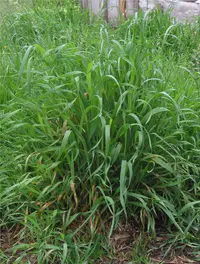
The plant forms low, dense tussocks with short, stiff leaves and compact flower spikes, which helps it resist mechanical damage from wind, ice, and moving water in exposed habitats.

FAQs about red bulrush

This sedge spreads slowly by short rhizomes and clumping, not by long runners. In garden settings it usually forms modest patches. It can fill in wet areas over time but is rarely considered aggressively spreading.

Grow Healthy Plants with Botan Care

Keep your plants happy and healthy with plant identification, disease detection, and easy care guidance.

Botan plant care app — identify plants on mobile

Explore More Plants