toetoe Care (Austroderia fulvida)

toetoe

About toetoe

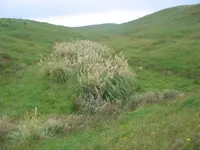
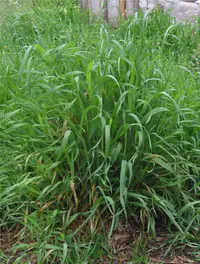
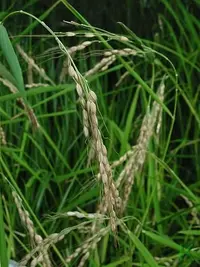
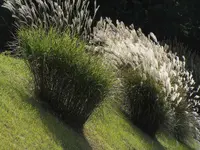
Toetoe, Austroderia fulvida, is a large evergreen grass native to New Zealand, valued for its tall, graceful flower plumes and strong architectural form. It typically forms dense clumps with long, arching leaves and upright, feathery seed heads that move in the wind.

In suitable climates it is often used as a feature plant, windbreak, or natural screen, especially in coastal or open landscapes. It is generally robust and low-maintenance once established, though it needs space to reach its full size.

It prefers sunny, open sites with moderately moist, well-drained soil, and tolerates wind and salt exposure. Understanding these preferences makes it easier to care for toetoe in gardens and larger landscapes.


Main Plant Requirements

Care Difficulty

Easy Care

Light Preference

Full Sun

Water Requirements

Moderate Water

Temperature Preference

Cool Climate

Hardiness Zone

7–10

Soil Texture

Sandy, Loamy, Silty

Soil pH

Acidic (5.5–6.5), Slightly acidic (6.5–7.0)

Soil Drainage

Moist but well-drained

Fertilization

Minimal (feed rarely)

Get Personalized Care Plan

Scan your plant to receive care tips personalized for your specific plant

Available on iOS and Android

How to Care for the toetoe

This large New Zealand grass prefers bright, open conditions to develop full plumes and dense foliage.

  • Provide 6–8 hours of direct sun daily; full sun is ideal in most temperate climates for strong, upright growth.
  • It tolerates light partial shade, especially with morning sun and dappled afternoon light, but flowering of toetoe may be reduced in heavy shade.
  • In hot inland areas, protect from intense late-afternoon sun to reduce leaf scorch, and ensure surrounding plants do not cast increasing shade as seasons change.

This species prefers consistently moist but not saturated soil, especially while establishing in the landscape.

  • Water when the top 3–5 cm of soil has just dried, aiming for deep soakings that reach the full root zone rather than light, frequent sprinkling.
  • During the first 1–2 growing seasons, monitor closely in dry or windy weather; slowed growth, folding leaves, or browning tips suggest Austroderia fulvida needs a thorough watering.
  • Avoid standing water or heavy clay without amendment, as yellowing foliage, soft crowns, or a rotting smell indicate poor drainage and potential root rot.

This hardy grass handles a wide range of outdoor conditions when established in suitable climates.

  • Optimal growth occurs around 60–75°F (16–24°C), with vigorous foliage and plume production in mild, maritime or coastal climates.
  • Mature plants generally tolerate short dips to about 15–20°F (-9 to -6°C), though young clumps benefit from mulch over the crown in colder winters.
  • Heat tolerance is good up to about 90–95°F (32–35°C) if soil moisture is maintained; extended frost, freeze–thaw cycles, or drying winter winds can damage leaves and flower stalks.

This species is adapted to outdoor conditions and does not have strict humidity requirements.

This ornamental grass prefers free-draining, moderately fertile soil that does not stay saturated.

  • Use a loamy or sandy mix enriched with a modest amount of compost to support strong root and foliage growth.
  • Ensure sharp drainage by incorporating coarse sand or fine gravel, especially in heavier native soils.
  • Aim for slightly acidic to neutral pH, roughly 6.0–7.5, since Austroderia fulvida tolerates a broad pH range.
  • Avoid compacted, waterlogged, or heavy clay substrates, which promote root rot and weak, lodging-prone clumps.

This species can be grown in containers, though large, stable pots are needed for mature clumps.

  • Choose a deep, wide container to accommodate the extensive root system and prevent the plant from becoming root-bound too quickly.
  • Select a heavy pot material such as ceramic or concrete to counterbalance the tall, wind-catching foliage and plumes.
  • Raise the container slightly on feet or blocks to improve drainage flow and prevent water from collecting around the base.

This New Zealand toetoe grass benefits from modest feeding in poor soils but often thrives without heavy fertilizer in the ground.

  • Use a balanced slow-release granular fertilizer (around 10-10-10) or well-rotted compost in early spring for in-ground plants.
  • Apply light fertilizer once at the start of the growing season; container plants may need a second light dose in midsummer.
  • Dilute liquid feeds to 1/2 strength for potted specimens to avoid burning roots and forcing weak, lush growth.
  • Stop feeding in late summer so growth hardens before winter and the plant enters dormancy naturally.

Pruning Austroderia fulvida focuses on cleanup and size control rather than frequent shaping.

  • Cut back dead, broken, or winter-damaged leaves and flower stems in late winter or very early spring before new growth emerges.
  • Remove old, congested clumps at the base to open the center, which improves air flow and reduces fungal problems.
  • Use sharp hand pruners or hedge shears, cutting above the crown to avoid damaging new buds at soil level.
  • Limit height reduction to the top third of foliage to maintain the plant’s natural arching form and flowering performance.

This tall grass is usually grown in the ground, so transplanting is more common than container repotting.

  • Transplant in early spring or early fall when temperatures are mild and the plant is not under heat stress.
  • Look for signs like roots circling inside the pot, water running straight through, or stalled growth to decide when to move container plants up.
  • Divide large clumps every 3–5 years, replanting sections at the same depth in well-drained soil and watering thoroughly afterward.
  • Reduce root stress by watering well before digging, lifting with a wide root ball, and shading the plant for several days after transplanting.

Propagation of Austroderia fulvida is most reliable by division, with seed used mainly for larger-scale or breeding purposes.

  • Divide mature clumps in early spring, cutting the root mass into firm sections each with several healthy shoots.
  • Replant divisions immediately into moist, well-drained soil and water deeply to settle soil around the roots.
  • For seed, sow fresh seed in late winter–spring on the surface of a free-draining mix and keep at 60–70°F with bright light.
  • Maintain steady moisture, avoiding waterlogging, until new roots and shoots are well established before planting out.

This species is generally cold hardy in mild to moderate climates but benefits from some root-zone care in colder areas.

  • Tolerates light to moderate frost once established, but young plants are more vulnerable to freeze–thaw cycles.
  • Apply a 5–8 cm layer of mulch around the base in late fall, keeping it just clear of the crown to limit rot.
  • Leave dried foliage and plumes standing over winter where possible, as they help insulate the crown from severe cold.
  • Move container-grown plants to a sheltered, unheated but frost-free spot in very cold regions, watering sparingly.

Care Tips

Strong wind establishment

In the first 1–2 years, use 2–3 low, flexible stakes and soft ties on the outer clump to help the grass anchor in windy sites, then remove them once the root system has filled the planting area so the plant can sway and strengthen naturally.

Clump renewal thinning

Every 3–4 years, remove 15–25% of the oldest, densest canes at the base in late winter to open the clump, improve air flow, and reduce the risk of crown rot and leaf spot diseases.

Flower stem management

After the plumes fade, cut flower stalks back close to their base before they become brittle to prevent wind breakage, reduce self-seeding, and keep pathways clear of falling stems.

Fire and access breaks

In dry regions, keep a 60–90 cm vegetation-free strip of gravel or mulch around large clumps near buildings or paths to reduce fire load and maintain safe access for maintenance.

Weed barrier setup

At planting, lay a heavy-duty woven landscape fabric or thick organic mulch around but not against the crown to suppress aggressive turf and weeds that compete strongly with the young root system when growing toetoe.

Common Pests and Diseases

Mealybugs

This pest sucks sap from leaf bases and culm sheaths, causing slow decline, yellowing, and sticky honeydew deposits that may lead to sooty mold on toetoe foliage.

Solution

Isolate the plant, then inspect and wipe infested areas with cotton swabs dipped in 70% isopropyl alcohol, focusing on leaf bases and dense clumps. For larger stands, use a strong water spray to dislodge insects, then apply an insecticidal soap or ready-to-use horticultural oil labeled for ornamental grasses, repeating weekly until no new mealybugs appear.

Scale insects

These insects attach to stems and lower leaf sheaths, appearing as small bumps and weakening plants by feeding on sap, sometimes accompanied by honeydew and black sooty mold.

Solution

Prune and dispose of heavily infested culms, then physically scrape or rub off remaining scales with a soft brush or cloth. Follow with applications of horticultural oil during mild weather, coating stems thoroughly, and improve plant vigor with adequate water and light to increase resistance.

Fungal leaf spot

This disease causes tan to dark brown spots or streaks on older leaves, which can merge into larger dead patches, making the clump look scorched and untidy.

Solution

Remove and discard affected leaves and any dense, dead thatch around the base to lower humidity and remove inoculum. Improve air movement by thinning crowded clumps and watering at the base rather than over the foliage; in persistent wet climates, a labeled fungicide for ornamental grasses may be used preventively at the start of the wet season as part of broader Austroderia fulvida care.

Rust

This disease produces orange to brown powdery pustules on leaf undersides, sometimes leading to yellowing and premature leaf death in humid, mild conditions.

Solution

Cut back and dispose of heavily infected foliage, avoiding composting if rust is severe, and keep the base of the plant clear of old leaves to break the disease cycle. Water early in the day so leaves dry quickly, increase spacing between clumps, and where rust recurs, use a rust-labeled fungicide according to the product directions while also improving air circulation.

Interesting Facts

North Island specialist

This species is naturally restricted to the central and eastern North Island of New Zealand, where it grows on sunny hillsides, river terraces, and open scrub, unlike several related toetoe that dominate coastal or wetland habitats.

Separation from pampas

It was long confused with invasive South American pampas grasses (Cortaderia species), but can be distinguished by its softer, less razor-sharp leaves, drooping golden flower plumes, and the absence of the harsh leaf midrib typical of pampas.

Wind‑driven colonizer

The flowering plumes release large quantities of tiny wind-dispersed seeds that travel easily across open country, allowing the species to quickly colonize slips, road cuttings, and other disturbed slopes in its native range.

Botan icon

Did you know?

This toetoe is one of several New Zealand grass species that were moved from the South American genus Cortaderia into the endemic genus Austroderia after genetic and morphological studies showed that the New Zealand toetoe form a distinct evolutionary lineage.

FAQs about toetoe

This species forms large clumps and produces many seeds, so it can spread in favorable conditions. In managed gardens, remove seed heads before they shed and divide clumps if they encroach on paths or other plants.

Grow Healthy Plants with Botan Care

Keep your plants happy and healthy with plant identification, disease detection, and easy care guidance.

Botan plant care app — identify plants on mobile

Explore More Plants