Edge Containment
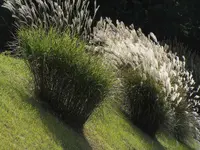
When planting as a border, install a shallow root barrier 10–15 cm deep along paths or beds to keep clumps from creeping into areas where they are not wanted.

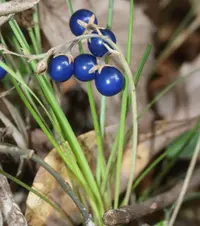
Mondo grass, Ophiopogon japonicus, is a low-growing evergreen perennial often used as a groundcover or edging plant. It forms dense clumps of narrow, grass-like leaves that create a neat, tufted look.
This species is native to East Asia, especially Japan and China, where it grows in woodland and shaded habitats. It usually spreads slowly by short rhizomes, which helps it fill in spaces without becoming invasive in most gardens.
Mondo grass is valued for its durability, tolerance of light shade, and relatively low maintenance needs, which makes it simple to care for Mondo grass in many landscapes. It tends to prefer well-drained soil and steady moisture, but adapts to a range of garden conditions.

Care Difficulty
Easy Care

Light Preference
Partial Shade

Water Requirements
Moderate Water

Temperature Preference
Cold Hardy

Hardiness Zone
6–10

Soil Texture
Loamy, Sandy, Organic-rich

Soil pH
Acidic (5.5–6.5), Slightly acidic (6.5–7.0)

Soil Drainage
Moist but well-drained

Fertilization
Minimal (feed rarely)
Scan your plant to receive care tips personalized for your specific plant
Available on iOS and Android
Ophiopogon japonicus prefers bright, gentle light and adapts well to partial shade in gardens.
This species prefers evenly moist, well-drained soil rather than extremes of drought or saturation.
This groundcover is quite hardy and tolerates a broad temperature range once established outdoors.
Humidity is rarely critical for Ophiopogon japonicus, as it adapts well to most household and outdoor conditions.
Ophiopogon japonicus prefers loose, consistently moist, well-drained soil with moderate organic content.
This species is well suited to container growing for borders, patios, and small spaces.
Ophiopogon japonicus is not a heavy feeder but responds well to light, consistent nutrition during active growth.
Ophiopogon japonicus needs only light, periodic pruning to keep clumps tidy and healthy.
This species forms dense clumps that benefit from occasional division and transplanting rather than frequent repotting.
Ophiopogon japonicus is most commonly multiplied by division, which maintains the exact traits of the parent plant.
This plant is generally cold hardy in many temperate gardens and needs only modest winter care.

Plant Health Check
Not sure what's wrong with your plant? Check your plant's health inside the app.
This species is a small monocot but visually mimics a tuft-forming grass, staying evergreen in mild climates and providing fine-textured groundcover even when nearby true grasses go dormant.
After its small, pale flowers, it produces glossy, bead-like blue to blue-black fruits that are botanically single-seeded berries, often persisting into winter and adding color low to the ground.
The plant develops a tight network of fibrous roots and short rhizomes that help stabilize soil on slopes and between paving stones, which is one reason landscape designers often choose growing Mondo grass for erosion-prone spots.

In its native East Asian range, this species has been cultivated for centuries in temple gardens and traditional courtyard plantings, valued for its calm, ordered appearance along stone paths and as an underplanting beneath pines and broadleaf evergreens.
Yellowing leaves often come from water stress, compacted or poorly drained soil, nutrient deficiency, or older foliage aging out. Check root health, improve drainage, remove old leaves, and adjust fertilizing rather than increasing water blindly.
Keep your plants happy and healthy with plant identification, disease detection, and easy care guidance.