blue wildrye Care (Elymus glaucus)

Also known as: Smooth Wild Rye, western wild rye
blue wildrye

About blue wildrye

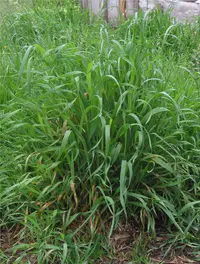
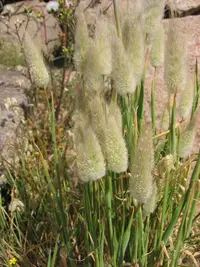
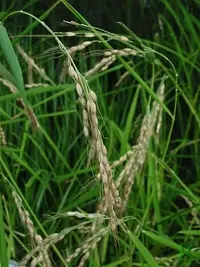
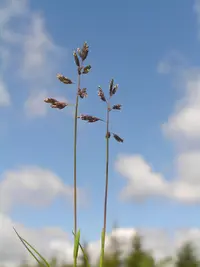
Blue wildrye (Elymus glaucus) is a cool-season bunchgrass native to western North America, from coastal regions to mountain foothills. It forms upright clumps with blue-green leaves and narrow seed heads that sway above the foliage. This grass is often used in restoration plantings, naturalistic gardens, and erosion control because it establishes quickly and tolerates a range of conditions. It prefers sun to light shade, moderate moisture, and well-drained soil, but adapts to many typical garden soils. Once its basic needs are understood, it is straightforward to care for blue wildrye in most temperate climates.

Main Plant Requirements

Care Difficulty

Easy Care

Light Preference

Full Sun

Water Requirements

Low Water

Temperature Preference

Cold Hardy

Hardiness Zone

4–9

Soil Texture

Sandy, Loamy, Clay

Soil pH

Acidic (5.5–6.5), Slightly acidic (6.5–7.0)

Soil Drainage

Well-drained

Fertilization

Minimal (feed rarely)

Get Personalized Care Plan

Scan your plant to receive care tips personalized for your specific plant

Available on iOS and Android

How to Care for the blue wildrye

This cool-season grass prefers full sun but tolerates some light shade in hotter regions.

  • Provide 6–8 hours of direct sun daily; morning sun with light afternoon shade works well in hot inland climates.
  • Allow partial shade of 30–40% in summer; sites with dappled or filtered light under open trees are suitable for blue wildrye.
  • Watch for weak, floppy stems and sparse flowering as signs of too little sun; scorched leaf tips indicate intense, reflected afternoon sun exposure.

This bunchgrass prefers dry to moderately moist soil and does not like prolonged saturation.

  • In the first growing season, water when the top 3–5 cm of soil feels dry; let water soak deeply, then allow the surface to dry again.
  • After establishment, rely on rainfall where possible, supplementing only during extended dry spells when foliage begins to curl or dull in color.
  • Ensure sharply draining soil or slopes; yellowing, limp leaves and a sour soil smell suggest overwatering, while crisp, browning tips point to underwatering.

This native grass is adapted to a wide climate range and handles both cold winters and warm summers.

  • Best active growth occurs around 55–75°F (13–24°C), with strongest cool-season flush in spring and fall conditions.
  • Plants tolerate winter lows near 0°F (−18°C) once established, going semi-dormant in cold periods without permanent damage.
  • In summer, Elymus glaucus handles up to about 90–95°F (32–35°C) if soil is not waterlogged; growth slows and foliage may dry back but crowns usually survive.

Humidity is not a significant factor for Elymus glaucus, which thrives in typical outdoor air conditions.

Elymus glaucus prefers mineral-based, well-drained soils that mimic open meadow or slope conditions.

  • Use a sandy or loamy mix with 20–30% compost to provide nutrients without becoming heavy or waterlogged.
  • Ensure fast drainage by blending coarse sand or fine gravel into native soil, especially in compacted or clay sites.
  • Aim for slightly acidic to neutral pH, around 6.0–7.5, avoiding strongly acidic or saline soils that restrict root function.
  • Avoid dense, poorly drained spots; if necessary, build a low mound or raised strip to improve aeration and surface runoff.

This grass can be grown in containers if the pot allows room for its fibrous root system and upright clumps.

  • Choose a deep, heavy pot that resists tipping as the clump gains height and catches wind outdoors.
  • Maintain a gritty, fast-draining mix so water moves through quickly, preventing root rot and winter crown damage.
  • Select lighter-colored containers in hot climates to reduce root-zone overheating and stress during summer sun exposure.

Elymus glaucus is a tough native grass that usually needs minimal feeding in garden soil.

  • In lean or sandy soils, apply a light topdressing of compost once each spring to support steady growth.
  • If using fertilizer, choose a balanced slow-release NPK product at half strength at the start of the growing season.
  • Avoid summer overfeeding, which encourages weak, floppy growth and can reduce stand longevity.
  • Skip fertilization in fall and winter, as blue wildrye is going dormant and nutrient demand is low.

Pruning for Elymus glaucus is mainly about seasonal cleanup rather than shaping.

  • Cut back dead or weather-beaten foliage in late winter or very early spring before new growth emerges.
  • Use sharp hand pruners or shears to trim clumps to 7–15 cm above soil level for a fresh flush of blades.
  • Remove damaged, diseased, or badly lodged stems during the season to maintain airflow and reduce fungal issues.
  • Avoid repeated hard cutting in active growth, which can weaken plants and reduce flowering seed-head display.

This species is usually grown in the ground, so focus on dividing and transplanting established clumps.

  • Transplant or divide clumps in early spring or early fall when temperatures are mild and soil is moist.
  • Lift clumps showing crowded centers, slow growth, or dense surface roots, typically every 3–5 years.
  • Gently tease or slice the root mass into sections with several shoots each, trimming broken roots cleanly.
  • Replant divisions at the same depth in prepared soil, water thoroughly, and keep evenly moist until re-established.

Elymus glaucus is commonly propagated by division and by seed for restoration or meadow plantings.

  • Divide established clumps in early spring or fall, replanting sections promptly into moist, prepared soil.
  • Sow fresh seed in fall outdoors or provide 4–6 weeks of cold, moist stratification before spring sowing.
  • Use a well-drained seed mix, keep evenly moist, and provide bright light for steady seedling development.
  • Thin or transplant young plants once several true leaves form, spacing to allow good airflow between clumps.

This cool-season native grass is cold hardy in much of its range and needs little specific winter care.

  • In-ground clumps tolerate typical frosts and snow without extra covering in most temperate climates.
  • Apply a light mulch layer around, not over, crowns in colder regions to moderate soil temperature swings.
  • For container-grown plants, move pots to a sheltered, unheated spot to limit freeze–thaw stress on roots.

Care Tips

Clump Renewal

Cut out older, dead, or heavily thatched stems at the base every 2–3 years in late winter to keep the clump open, reduce disease pressure, and encourage fresh shoots from the crown.

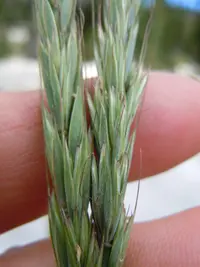
Seed Head Management

If you want to limit self-seeding, remove seed heads just as they turn from green to tan, leaving enough foliage to continue photosynthesis and maintain plant vigor.

Targeted Overseeding

Lightly rake and broadcast fresh seed into thin or patchy areas in fall, then press it into the soil surface with your foot or a roller so new plants blend seamlessly into the existing stand.

Companion Plant Spacing

When planting near shrubs or tall perennials, give this grass a dedicated band or drift with 30–45 cm of open space so its upright form stays visible and does not get shaded out.

Erosion Control Use

On slopes, stagger plants in a zigzag pattern and mulch lightly between them for the first season to help roots knit the soil together and stabilize banks while growing blue wildrye.

Common Pests and Diseases

Leaf rust

This disease causes small orange to brown pustules on leaves, often leading to premature yellowing and reduced vigor. Symptoms include dusty spores that rub off on fingers or clothing.

Solution

Remove and dispose of heavily infected foliage to reduce spore load, avoid overhead irrigation, and increase spacing or pruning of nearby vegetation to improve airflow. In meadow or restoration plantings, mowing and removing infected clippings, combined with rotating to less susceptible species, helps break the disease cycle.

Powdery mildew

This disease produces white to gray, powdery patches on leaf surfaces, which can cause leaf distortion and reduced photosynthesis. Symptoms include a dusty coating that spreads quickly in dry air with moderate temperatures.

Solution

Improve air movement by thinning dense stands and avoid excess nitrogen fertilization that encourages lush, susceptible growth. In persistent cases, remove the most affected plants and use labeled sulfur or potassium bicarbonate products as spot treatments, following local regulations and label directions.

Aphids

These insects cluster on stems and young leaves, sucking sap and causing curling, distortion, and sticky honeydew deposits. This pest can also attract sooty mold growth on the honeydew.

Solution

Spray plants with a firm stream of water to dislodge colonies and encourage natural predators such as lady beetles by minimizing broad-spectrum insecticide use nearby. For heavier infestations, apply insecticidal soap or a light horticultural oil in the early morning, coating stems and leaf undersides.

Armyworms

These caterpillars feed on foliage, creating ragged leaf edges or complete defoliation in patches, especially in young stands. This pest often feeds at night and hides in plant debris during the day.

Solution

Inspect plants at dusk, hand-pick and destroy caterpillars where practical, and reduce nearby tall weeds and plant debris that provide shelter. In larger plantings, targeted use of Bacillus thuringiensis (Bt) products timed to young larvae can reduce damage with minimal impact on beneficial insects.

Grasshoppers

These insects chew irregular holes in leaves and can strip foliage in dry, open sites where they build up in high numbers. This pest is most common along field edges and disturbed, sunny areas.

Solution

Encourage diverse, dense vegetation around plantings to reduce bare, dusty areas that favor grasshopper egg-laying, and use physical barriers such as fine mesh on small high-value plots. In severe outbreaks, baits based on Nosema locustae or other biological controls can help lower populations over time while sparing many beneficial species.

Interesting Facts

Key seral grass

This species is an early to mid-seral native bunchgrass in western North American ecosystems, helping stabilize disturbed soils and paving the way for later-successional shrubs and trees after fire or logging.

Broad habitat tolerance

It naturally occurs from lowland coastal sites to mid-elevation mountain forests, tolerating a wide range of light conditions from open meadows to bright woodland understories.

Genetic local variation

Populations of this grass show strong local genetic adaptation, so seed transfer guidelines often recommend using regionally collected material to match local climate and soil conditions.

Botan icon

Did you know?

Elymus glaucus is one of the native cool-season grasses specifically recommended in many Pacific Northwest and California restoration manuals because it can rapidly establish, compete with invasive annual grasses, and still coexist with native forbs and shrubs over time.

FAQs about blue wildrye

This species is a cool-season perennial bunchgrass. Clumps persist for many years, renewing foliage annually from the crown. Individual leaves and culms die back and are replaced, but the plant itself is long-lived under suitable site conditions.

Grow Healthy Plants with Botan Care

Keep your plants happy and healthy with plant identification, disease detection, and easy care guidance.

Botan plant care app — identify plants on mobile

Explore More Plants