Rhizome Containment
Install a 20–30 cm deep root barrier or use bottomless containers sunk into the soil to limit rhizome spread and keep the stand where you want it for easier long‑term management.

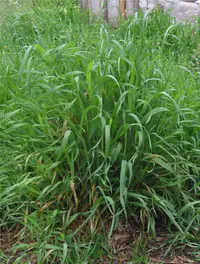
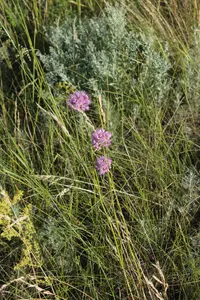
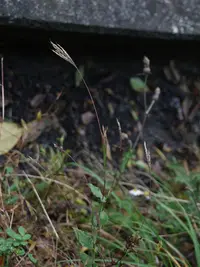
Quackgrass, Elymus repens, is a cool-season perennial grass commonly found in lawns, gardens, fields, and along roadsides. It spreads aggressively by underground rhizomes, forming dense patches.
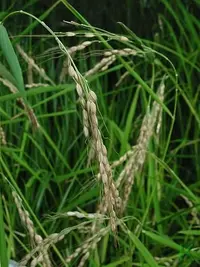
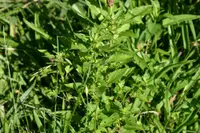
The plant has upright, bright to bluish green leaves and jointed stems, with narrow flower spikes that resemble other pasture grasses. It thrives in many temperate regions, especially across Europe, North America, and other cooler climates.
Quackgrass tolerates poor soils, compaction, and variable moisture, which makes it persistent and often difficult to control. Those who choose to care for quackgrass as a forage or cover grass should note that it prefers full sun, moderate moisture, and well-drained soil.

Care Difficulty
Easy Care

Light Preference
Full Sun

Water Requirements
Moderate Water

Temperature Preference
Cold Hardy

Hardiness Zone
3–7

Soil Texture
Sandy, Loamy, Clay

Soil pH
Slightly acidic (6.5–7.0), Slightly alkaline (7.0–7.5)

Soil Drainage
Well-drained

Fertilization
Minimal (feed rarely)
Scan your plant to receive care tips personalized for your specific plant
Available on iOS and Android
Elymus repens grows best in open, bright conditions with consistent direct sun.
Elymus repens is a hardy grass that prefers moderately moist, well-drained soil.
This cool-season grass thrives in temperate climates and tolerates a broad temperature range.
Humidity is rarely a concern for Elymus repens, which adapts well to a wide range of outdoor air conditions.
This grass grows reliably in many soil types but spreads most aggressively in loose, well-structured ground.
This species can be grown in containers when strict spreading control is needed.
Elymus repens usually needs little added nutrition, especially in average or fertile garden soil.
Pruning Elymus repens is mainly used to manage spread and maintain a neat appearance.
This grass is more often transplanted in-ground than repotted, as it spreads strongly by rhizomes.
Elymus repens propagation is usually done by division of its rhizomatous clumps.
This grass is cold hardy in most temperate climates and usually requires minimal winter care.

Plant Health Check
Not sure what's wrong with your plant? Check your plant's health inside the app.
This grass spreads mainly through long, brittle rhizomes that can reach well over 1 m and branch repeatedly, allowing even small fragments left in soil to regenerate new plants.
Roots and rhizomes release allelopathic compounds, including phenolic acids, that can inhibit germination and growth of nearby plants and help this species dominate disturbed ground.
Elymus repens is a close wild relative of cultivated wheat and other Triticeae cereals, and has been studied as a genetic resource for disease resistance and stress tolerance in crop breeding.

Charred rhizome fragments of Elymus repens have been found in European archaeological sites, showing that early farming communities interacted with this species as a persistent field weed for thousands of years.
This species spreads very aggressively by both creeping rhizomes and seed. Even a small root fragment can regrow. Regular digging, deep edging, or barriers are needed if you want to limit patches and protect nearby plantings.
Keep your plants happy and healthy with plant identification, disease detection, and easy care guidance.