
quackgrass Identification (Elymus repens)

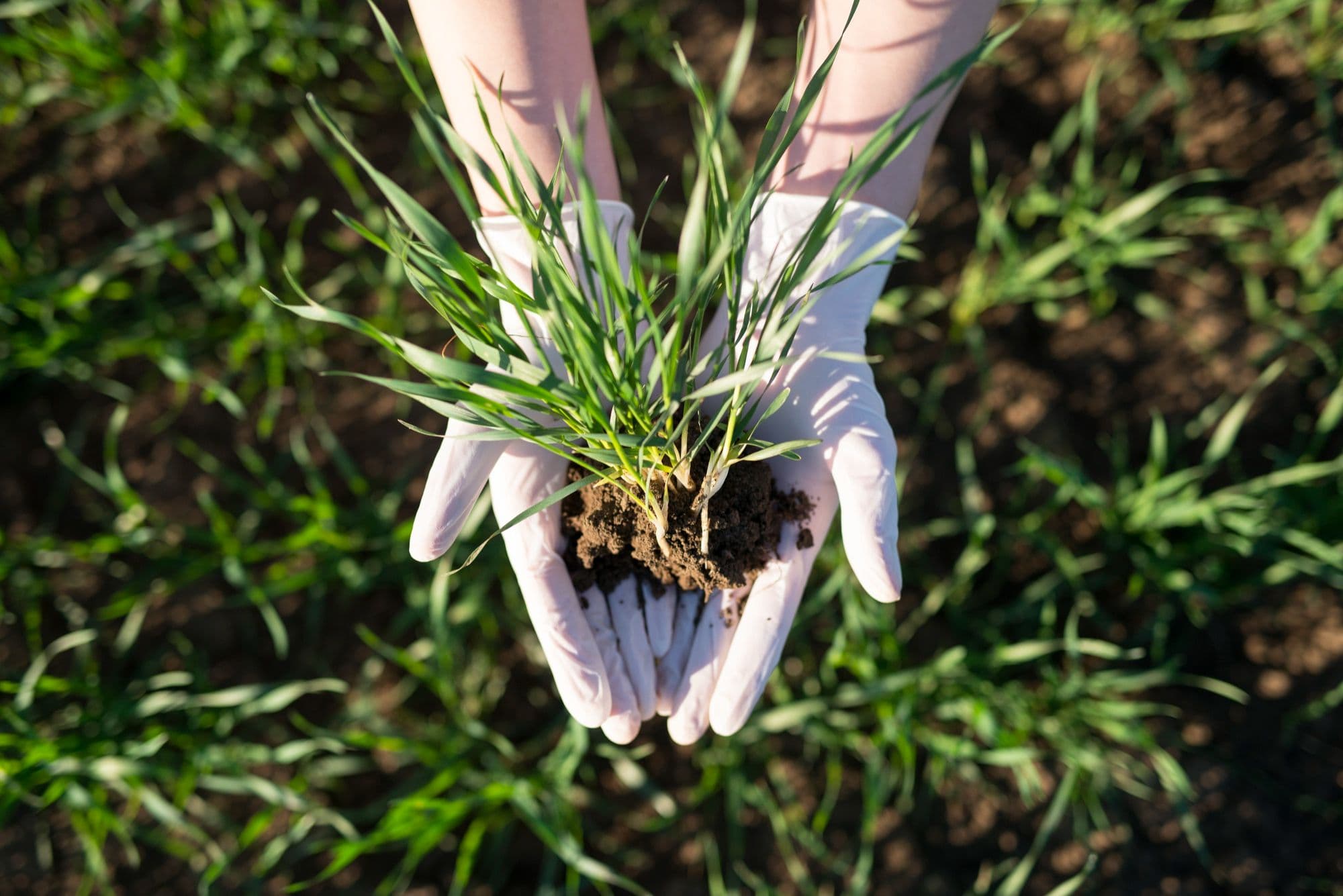
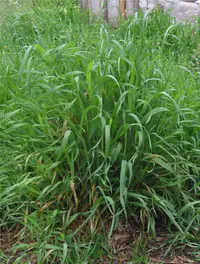
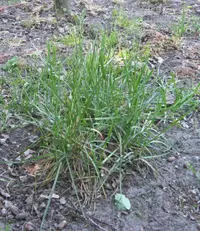
Recognize quackgrass by its flat, narrow leaves arranged alternately on upright stems and by long, creeping rhizomes that send up spaced shoots.

The flower head is a slim, unbranched spike, often 4 to 8 inches (10 to 20 cm) long, with spikelets attached edgewise directly to the stem.

Elymus repens Identification

Identify Your Plant with Botan

Upload a clear image to check whether your plant ID is correct.

Clear images work best. Avoid photos taken too close or too far away

Check the plant’s creeping habit, leaves, and seed head for Elymus repens.

  • Forms spreading patches from long, pale rhizomes that run just under the soil surface.
  • Leaves are flat and narrow, usually 4-12 inches (10-30 cm) long, with rough upper surfaces.
  • Stems are upright and grass-like, often reaching 1-4 feet (30-120 cm) tall.
  • The seed head is a straight, slender spike with spikelets attached edge-on in two rows along the stem.

Visible rhizomes plus the narrow spike are the quickest field clues.

Quackgrass shows several visible shifts from early shoots to seed-bearing stems that aid identification.

  • Seedling: First shoots appear as narrow, upright grass blades from creeping rhizomes, with flat leaves and a small clasping auricle at the blade base.
  • Young plant: Vegetative plants form spreading patches from pale, jointed rhizomes; leaves stay flat and linear while stems remain nonflowering and lower than mature culms.
  • Flowering stage: Stems rise to about 1-3 feet (30-90 cm), ending in a straight, narrow spike with alternating spikelets attached edge-on along the central axis.
  • Fruiting stage: After flowering, the spike keeps the same slim outline but looks firmer and straw colored, with developed grains filling the spikelets.

In spring, quackgrass sends up fresh flat blades from spreading rhizomes, often forming bright green patches before many nearby grasses fill in. By late spring to early summer, upright flowering spikes become visible above the leaves. As summer advances, the seedheads turn straw colored, and winter plants may persist as pale flattened leaves and dry stems.

A few creeping grasses are often mistaken for quackgrass.

beardless wildrye(Elymus trachycaulus)

Both have flat blades and wheat-like seed heads. Beardless wildrye grows in bunches, not long rhizomes, and its clasping auricles at the leaf base are absent or much smaller.

slender wheatgrass(Elymus trachycaulus subsp. trachycaulus)

It can resemble Elymus repens in narrow leaves and slim spikes. The key check is growth habit: slender wheatgrass is tufted, while quackgrass spreads by obvious pale rhizomes.

perennial ryegrass(Lolium perenne)

This lawn grass also has shiny leaves and narrow seed heads. Its spikelets sit edge-on to the stem in two neat rows, unlike the flatter, wheat-like spike of quackgrass.

Elymus repens is native across much of Europe and temperate Asia. It naturally occurs in meadows, riverbanks, field margins, roadsides, coastal dunes, and other disturbed ground. That range and habitat help with identification because this grass often appears in open, sunny, human-altered places rather than shaded woodland. Finding it in rhizome-forming patches in lawns, pastures, or waste ground can help narrow the ID.

Check Your Plant ID

Use Botan to identify or confirm it from a photo, helping avoid mix-ups with similar plants.

FAQ

Yes. Quackgrass identification often relies on its long, creeping rhizomes, flat leaf blades, clasping auricles at the leaf base, and narrow wheatlike spikes, so fruit is not required for a confident identification.

More Plant Identification Guides

Identify It. Learn More About It.

Identify a plant from a photo with Botan, then get species-specific care information, safety notes, and common problems.

Botan app identifying a plant from a photo
Banana Peel Water for Plants: 5 Things to Know Before Trying It

5 min read · 9 Jul 2026

Banana Peel Water for Plants: 5 Things to Know Before Trying It

Banana water can provide potassium and some nutrients that may support plant growth, but it is not a universal fix. Use it carefully and only when the plant actually shows signs of nutrient deficiency rather than as a routine treatment.

Plant Care
Banana Peel Water for Plants: 5 Things to Know Before Trying It
Thorny Plants: A Comprehensive Guide

10 min read · 25 Aug 2026

Thorny Plants: A Comprehensive Guide

Many plants defend themselves with sharp thorns. This guide explores over 20 examples among flowers, shrubs, trees, and vines. You'll learn what each plant looks like, why it grows thorns, and how to quickly identify them.

Plant Recommendations
Thorny Plants: A Comprehensive Guide
Planting Grass Seed in Summer – What Works and What Fails

7 min read · 6 Aug 2026

Planting Grass Seed in Summer – What Works and What Fails

Summer seeding succeeds when the grass type suits the season, and the soil stays moist. Find out how to prepare the seedbed and choose a safe window for planting.

Plant Care
Planting Grass Seed in Summer – What Works and What Fails