
Plants That Repel Bugs – 20 Effective Options
Mosquitoes on the patio? Gnats in the kitchen? Some plants keep them away with the scent of their own leaves. Here are 20 that deal with mosquitoes, flies, aphids, and more, plus where to put them so they help.

On this page
- 20 Plants That Keep Bugs Away – A Comparison Table
- What Plants Keep Bugs Away?
- 1. Lavender (Lavandula angustifolia)
- 2. Basil (Ocimum basilicum)
- 3. Mint (Mentha spp.)
- 4. Rosemary (Salvia rosmarinus)
- 5. Lemongrass (Cymbopogon citratus)
- 6. Marigolds (Tagetes spp.)
- 7. Catnip (Nepeta cataria)
- 8. Citronella plant (Pelargonium citrosum)
- 9. Petunias (Petunia spp.)
- 10. Chrysanthemums (Chrysanthemum spp.)
- 11. Alliums (Allium spp.)
- 12. Nasturtium (Tropaeolum majus)
- 13. Bay laurel (Laurus nobilis)
- 14. Thyme (Thymus vulgaris)
- 15. Sage (Salvia officinalis)
- 16. Fennel (Foeniculum vulgare)
- 17. Eucalyptus (Eucalyptus spp.)
- 18. Wormwood (Artemisia absinthium)
- 19. Rue (Ruta graveolens)
- 20. Pitcher plant (Sarracenia spp.)
- 5 Tips for Using Bug-Repelling Plants Effectively
- Why Some Plants Repel Bugs
Eating outside can quickly become boring when mosquitoes appear. Plants that repel bugs are a cheap way to combat them. Lavender, basil, mint, and marigolds emit scents that most pests avoid. Not sure what's already growing on your porch? Point Botan at it for a name, then match it against the list below. Here are 20 to start with.
20 Plants That Keep Bugs Away – A Comparison Table
Choosing the right plant depends on your pest and your space. Some plants that keep bugs away are aimed at mosquitoes. Others combat aphids, beetles, or flies in the garden. Lighting also matters. Some plants need full sun outdoors. Others thrive on a windowsill indoors.
Pets complicate matters. Some of these plants are poisonous to cats and dogs, while many are pet-safe plants and can grow anywhere. If bugs are a real problem for you, our guide to mosquito repelling plants will tell you exactly what they are. In the table below, all 20 plants are sorted by pest, planting location, risk to pets, and purpose.
Plant | Bugs It Repels | Indoor or Outdoor | Pet Safety | Best For |
Mosquitoes, moths, flies, fleas | Outdoor (pots) | Toxic | Borders, patio pots, sachets | |
Mosquitoes, houseflies | Both | Safe | Kitchen sill, near doors | |
Mint | Ants, aphids, mosquitoes, cabbage moths | Both | Mildly toxic in bulk | Doorways, containers |
Mosquitoes (smoke), cabbage moths, carrot flies | Both | Safe | Grill-side patio, herb bed | |
Lemongrass | Mosquitoes | Outdoor (pots) | Toxic | Sunny corners, walkways |
Marigolds | Nematodes, aphids, whiteflies | Outdoor | Mildly toxic | Vegetable garden edges |
Catnip | Mosquitoes, flies, roaches | Both | Safe (draws cats) | Garden borders |
Citronella plant | Mosquitoes (weak) | Both | Toxic | Fragrant patio pots |
Petunias | Aphids, hornworms, leafhoppers, squash bugs | Outdoor | Safe | Baskets, veggie beds |
Chrysanthemums | Roaches, ants, ticks, fleas, beetles | Outdoor | Toxic | Beds away from pets |
Alliums | Aphids, slugs, cabbage worms, carrot flies | Outdoor | Toxic | Companion planting |
Nasturtium | Squash bugs, whiteflies, cucumber beetles | Outdoor | Safe | Trap crop in veggie beds |
Bay laurel | Weevils, moths, flies, roaches | Both (pot) | Toxic | Patio pot, pantry leaves |
Thyme | Mosquitoes, cabbage worms, whiteflies | Both | Safe | Ground cover, paths |
Sage | Cabbage moths, carrot flies, beetles, mosquitoes | Both | Safe | Herb garden |
Fennel | Aphids, slugs, snails | Outdoor | Safe | Pollinator garden corner |
Eucalyptus | Mosquitoes, flies | Outdoor (pots) | Toxic | Large patio pots |
Wormwood | Moths, fleas, flies, slugs | Outdoor | Toxic | Barrier plant, own bed |
Rue | Flies, fleas, ants, Japanese beetles | Outdoor | Toxic | Borders (handle gloved) |
Pitcher plant | Traps flies, gnats, wasps, ants | Both | Safe | Boggy spots, near fruit flies |
Use this as a starting point, and then check the list of toxic and toxic and non-toxic plants, and consult your vet with any pet safety questions before planting.


Fix Plant Problems
Leaves turning yellow or falling off? Find the cause and solutions
What Plants Keep Bugs Away?
So, what plants keep bugs away, and which ones are right for your garden? It all depends on the pest you're targeting and where the plant will be placed. Below, you'll find a detailed overview of each of the 20 plants, including the pests they combat.
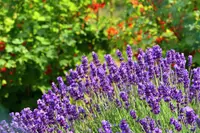
1. Lavender (Lavandula angustifolia)

Lavender is a time-tested species among plants to keep bugs away. We love the scent of its purple flowers. Moths, mosquitoes, and flies don't. Bees and butterflies can't get enough of it. Grow it near your patio, and you'll get pollinators without the biting insects.
It doesn't like overwatering and needs full sun. Shaded areas are not suitable. Dry stems in a drawer repel moths from your sweaters.
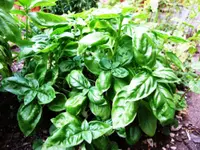
2. Basil (Ocimum basilicum)

You know basil from the herb aisle and from pesto. The same oils you use to treat your food attract mosquitoes and flies. Place a pot by the back door or on a sunny windowsill. Stroke the leaves occasionally to awaken the aroma.
Let it flower, and bees will come. Basil is safe for cats and dogs, plus it blooms quickly in warm temperatures. Pinch off the buds to encourage new leaf growth.
3. Mint (Mentha spp.)

Mint ranks high on any list of plants that repel insects. Ants, aphids, mosquitoes, and cabbage moths give it a wide berth. Ask any gardener about the catch, and they'll groan. Mint grows. The roots spread outward, consuming an entire garden bed in a single season.
Keep it in a pot to keep it well-behaved. Crushed leaves do real work against insects. Rub a couple of leaves on your hands before going outside. Cats and dogs should avoid large portions.
4. Rosemary (Salvia rosmarinus)

Place rosemary near the grill. Drop a sprig on hot coals. The smoke repels mosquitoes from the patio. As a plant, it repels cabbage moths and carrot flies from nearby vegetables. Rosemary is drought-resistant once established.
Severe winters can kill it. In areas with snow, repot it and bring it indoors. Pets can safely roam around rosemary, and chefs love having it around.
5. Lemongrass (Cymbopogon citratus)

Lemongrass is one of the plants that deter bugs thanks to citronella, the oil you smell in green patio candles. It grows in tall, herbaceous clumps that can be placed in a large pot or a bright corner. Mosquitoes are especially put off by the lemon scent.
The plant requires warmth — one hard frost, and it's finished. In the north, grow it as an annual or bring it indoors. The oil hides in the blades, so bend and rub a few leaves for maximum repellent effect.
6. Marigolds (Tagetes spp.)

Marigolds are a classic vegetable border. Their roots secrete a substance that drives root-knot nematodes out of the soil. The scent from above repels aphids and whiteflies. Ladybugs and hoverflies come for the flowers, then stay to feed on the pests.
7. Catnip (Nepeta cataria)

Ask what plants repel bugs, and catnip will definitely be the answer. Its oil, nepetalactone, is superior to DEET in repelling certain types of mosquitoes. It also repels flies and cockroaches. The problem, of course, is cats.
They will roll on it and crush the plant. If local cats are bothering you, place catnip away from chairs. Crush the leaves to release the oil — like its mint relatives, it spreads quickly.
8. Citronella plant (Pelargonium citrosum)

The so-called citronella plant is a scented geranium marketed as a mosquito repellent. Truth is, it contains much less citronella oil than real lemongrass. Studies show that one or two pots are not enough to get rid of mosquitoes in a yard.
Its wavy leaves, however, smell pleasant when rubbed. Think of it as a fragrant patio plant, not as an insect barrier. Geraniums are toxic to cats and dogs, so keep the pot out of reach of curious pets.
9. Petunias (Petunia spp.)

Petunias earn a place as bug-repelling plants in the flower bed. They repel tomato caterpillars, leafhoppers, and squash bugs, and make it possible to get rid of aphids completely. Many gardeners plant them near tomatoes as a living pesticide. Cats and dogs can nibble them without harm.
Hang them in baskets or place them among vegetables. Petunias need sun and occasional pruning to stay lush. In summer, they require regular removal of dead heads and fertilizing. Otherwise, the flowers will wilt.
10. Chrysanthemums (Chrysanthemum spp.)

Chrysanthemums produce pyrethrin, an ingredient in many store-bought insect sprays. The flowers accumulate it, so most insects avoid them. Roaches, ants, ticks, fleas, bedbugs, and Japanese beetles all don’t like them either.
Pyrethrin is a two-way poison, as it also poisons cats and dogs. Place them in a location where pets can’t move through. Chrysanthemums flower thickly in autumn. Provide them with a sunny spot, and they will return year after year in mild climates.
11. Alliums (Allium spp.)

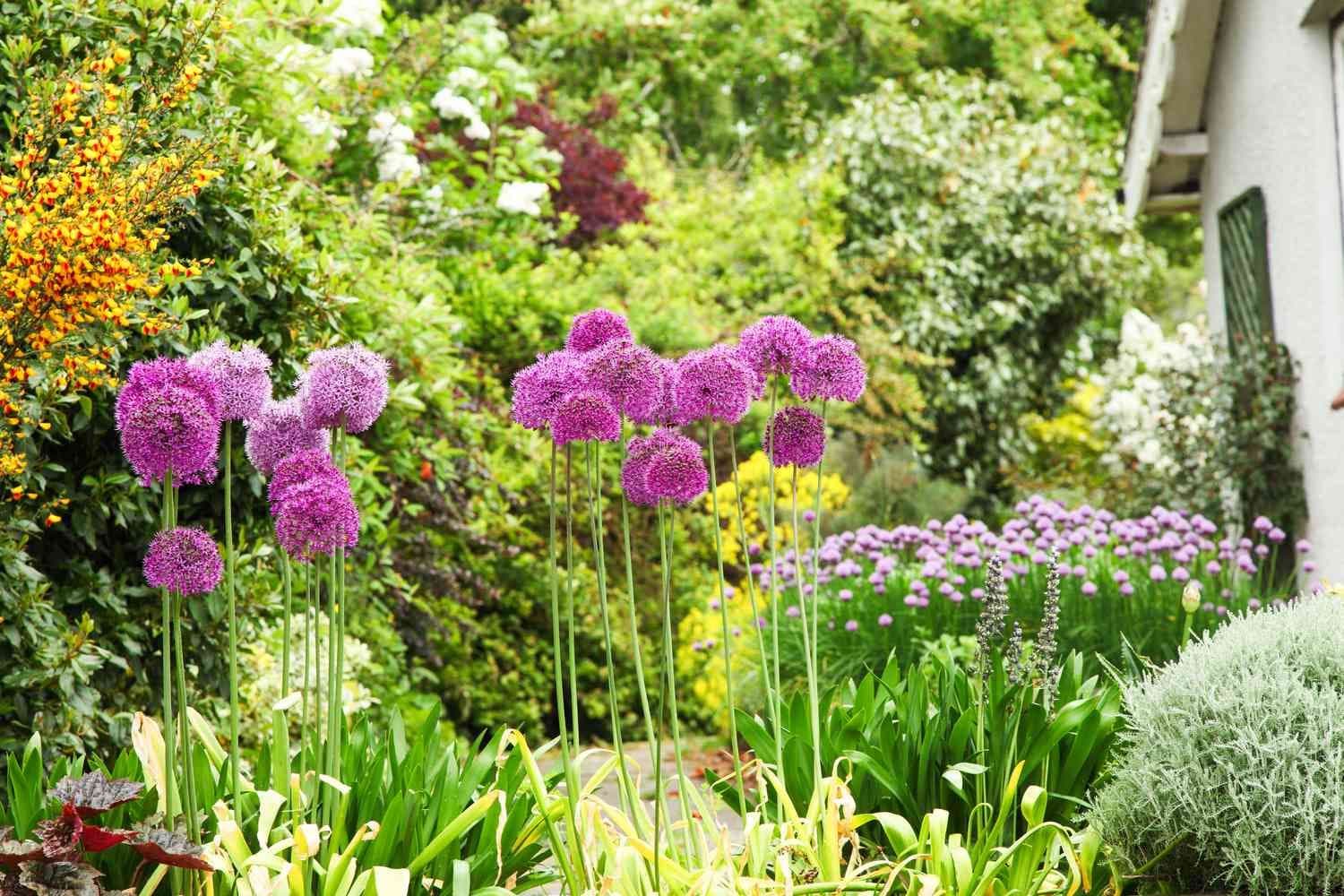
Onions, garlic, chives, and leeks belong to the allium family. These are typical plants that bugs hate. The sulfuric smell chases aphids, slugs, cabbage worms, and carrot flies. Grow a few plants among other crops as a built-in bodyguard.
The round flower heads attract bees. Alliums come with a serious warning. Each is poisonous to cats and dogs, sometimes badly. Keep them away from pets that chew on the plants. Most are easily grown from bulb or seed.
12. Nasturtium (Tropaeolum majus)

Nasturtiums serve a dual purpose. Aphids love them — they'll pounce on them and leave your vegetables alone. Gardeners call them trap crops. They also fend off stink bugs, whiteflies, and cucumber beetles.
Both the flowers and leaves are edible and have a pungent, peppery flavor. Pets can safely eat them. They grow or climb, so provide support. Poor soil is fine, but if overfed, they'll produce leaves but few flowers.
13. Bay laurel (Laurus nobilis)

Bay laurel is the shrub from which bay leaves are harvested. The leaves emit a scent that kitchen bugs dislike. Add whole leaves to flour or rice to repel weevils and moths. Outdoors, it turns flies and roaches away from a doorway.
It grows slowly and thrives in a pot that can be moved. Bay leaves are poisonous to cats and dogs; the firm leaves also pose a choking hazard. Keep the plant and dry leaves away from pets.
14. Thyme (Thymus vulgaris)

Thyme is one of the creeping, low plants that repel bugs and work as a ground cover. Step on it, and the oil rises up to move mosquitoes along. It keeps cabbage worms and whiteflies off the plants nearby.
Lemon thyme, in particular, has a solid scientific basis. In summer, bees swarm around its tiny flowers. Thyme is safe for pets and tolerates pruning well. It prefers poor soil and full sun; waterlogged soil causes it to rot.
15. Sage (Salvia officinalis)

Sage exudes a musky aroma so that bugs won't push through. Burn a bunch or simply grow this plant, and you'll notice fewer mosquitoes nearby. In flowerbeds, it holds off cabbage moths, carrot flies, and bean beetles.
The gray-green leaves, in normal quantities, are harmless to pets. Like rosemary, sage loves sun and dry roots. After a few years, it becomes woody. Spring pruning maintains its lushness and ensures abundant flowering.
16. Fennel (Foeniculum vulgare)

Fennel is a tall herb with thin leaves and a licorice aroma. It keeps aphids, slugs, and snails away from the garden. Flat flower heads attract ladybugs, lacewings, and parasitic wasps that hunt down pests.
Fennel does have a drawback: it releases chemicals that slow the growth of neighboring plants. Keep it in a separate corner. Pets can safely be near it. Swallowtail caterpillars will eat the leaves. Many gardeners consider this a free source of butterflies.
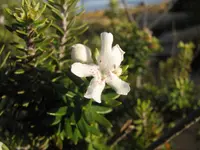
17. Eucalyptus (Eucalyptus spp.)

Eucalyptus is among the woody plants that keep bugs away with a crisp, cooling aroma. Its oil is an ingredient in many commercial mosquito repellent sprays. The living tree pushes mosquitoes and flies back near where it stands.
It grows quickly and can reach enormous sizes — most people keep it trimmed in a large container. It prefers full sun and consistent warmth. Eucalyptus is toxic to cats and dogs, so do not allow pets to chew the leaves or bark.
18. Wormwood (Artemisia absinthium)

Wormwood is a silvery herb with a bitter, sage-like taste. It secretes a compound called absinthin, which is avoided by a wide range of insects. Moths, fleas, flies, and slugs don’t like it. Some people surround their property with it as a barrier.
Be careful where you plant it, as wormwood slows the growth of anything near it, plus it is poisonous to cats and dogs. Plant it separately, away from pets and valuable vegetables.
19. Rue (Ruta graveolens)

Rue is an ancient herbaceous plant with blue-green leaves and a sharp, bitter odor. Flies, fleas, ants, and Japanese beetles generally avoid it. People used to scatter it in doorways for the same reason.
Handle this plant with care — the sap can burn skin in the sun and cause a rash. Rue is also dangerous for cats and dogs. Wear gloves when pruning and plant it away from paths, pets, and children who might pass by.
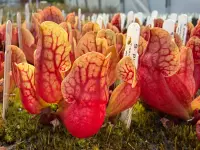
20. Pitcher plant (Sarracenia spp.)

The pitcher plant works the opposite way. It doesn’t scare bugs off, but rather digests them. The insects are trapped in the tube traps and cannot escape. As a result, they end up feeding on flies, gnats, wasps, and ants.
It's convenient to use indoors where fruit flies are common, or outdoors in a swampy area. The plant requires moist, well-drained soil and rainwater, not tap. Sarracenia is safe for cats and dogs. The plant goes dormant in winter, so reduce watering during this time.
5 Tips for Using Bug-Repelling Plants Effectively
Proper placement and care determine how effective these plants are. Here are a few effective tips:
- Group plants together rather than placing them individually, as their aroma helps repel insects — the more plants, the stronger the scent.
- Knead or brush the leaves frequently — this is the oil insects hate.
- Place pots near doors, windows, and seats where insects can enter.
- Provide each plant with the necessary light, whether it's an indoor plant on a windowsill or an outdoor plant in a flowerbed.
- Avoid standing water nearby — nothing you grow will survive if there's a suitable breeding ground for mosquitoes nearby.
Not sure what's biting you? Take a photo in Botan for quick species identification, then read up on care information for the plant you're considering.
Why Some Plants Repel Bugs
A plant can't run away from a hungry insect. So many repel problematic pests with chemicals. This defense comes in the form of essential oils found in leaves, stems, and flowers.
Compounds such as citronellal, eugenol, and nepetalactone repel insects with their taste or smell, prompting them to seek refuge elsewhere. A growing plant is essentially just a weaker version of what's contained in a tightly packed repellent bottle.
FAQ
Lavender, lemongrass, rosemary, catnip, and marigolds are great for growing in pots on a patio. Keep them near where you sit and rub the leaves when you get comfortable.
Dariia Plaksina
Botanist
5 years of botanical research experience
Dariia Plaksina is a biologist, botanist, and writer of informational articles with over 5 years of experience exploring the world of plants, nature, and biology. She studied at Taras Shevchenko National University of Kyiv, Educational and Scientific Center “Institute of Biology and Medicine,” where she built a strong scientific foundation for her future work.
For Dariia, writing is a hobby, a calling, and a way to make reliable knowledge easier to understand. Her articles focus on plant care, plant health, and natural processes, helping readers learn more about the living world through clear, accessible, and science-based explanations.
Related Articles
4 min read · 20 Oct 2026
When to Harvest Tomatillos: How to Tell When They're Ripe
Tomatillos grow inside papery husks, making it hard to judge ripeness at a glance. This guide explains how to know when tomatillos are ripe and offers practical advice on harvesting and storage.
8 min read · 16 Oct 2026
20 Funny Plant Names That Make You Laugh
Some plants carry names that sound like jokes. This guide explains the origins of 20 funny plant names. You will also see which of these plants you can grow at home.

7 min read · 13 Oct 2026
12 Best Cold-Hardy Vegetables for Cold Weather
Cold-hardy vegetables can keep a garden productive through chilly fall, winter, and early spring weather. This guide covers 12 reliable crops, their frost tolerance, and practical growing tips for better cold-season harvests.
Explore Plants by Care Needs
Identify the plant and problem. Help your plant recover
Identify plant problems early, understand what's wrong, and get clear care guidance. Botan helps you turn guesswork into confident plant care