Plants That Repel Mosquitoes – 10 Effective Choices
Plants that repel mosquitoes can help mask human scent naturally and make outdoor spaces more comfortable. Explore the most effective options, their benefits and drawbacks, and choose the right plant for your space.

On this page
- What Plants Repel Mosquitoes?
- English lavender (Lavandula angustifolia)
- Citronella Grass (Cymbopogon nardus)
- Lemon Balm (Melissa officinalis)
- Basil (Ocimum basilicum)
- Rosemary (Salvia rosmarinus)
- Catnip (Nepeta cataria)
- Peppermint (Mentha × piperita)
- Marigolds (Tagetes spp.)
- Scented Geranium (Pelargonium graveolens)
- Lemongrass (Cymbopogon citratus)
- Plants That Keep Mosquitoes Away – Quick Comparison
- Mosquito Repelling Plants And Specific Care Needs
- 5 Tips for Using Insect-Repelling Plants Effectively
Commercial insect-repellent lotions are designed to create a protective layer on your skin, masking your natural human scent. Plants that repel mosquitoes do pretty much the same thing — but naturally.
There are at least 10 species with proven effectiveness as natural insect repellents. Those are lavender, lemon balm, and other common plants.
Learn the full list of such plants, along with their main benefits and drawbacks, and pick the perfect one. If you need help with cultivation and plant care, you can always find simple yet science-based tips on the Botan app.

What Plants Repel Mosquitoes?
All plants that deter mosquitoes have a few things in common. They all contain high levels of natural essential oils with aromatic compounds that deter insects, originate from sunny, dry climates, and are widely used in both gardening and culinary applications.
English lavender (Lavandula angustifolia)
- Type: Outdoor
- Key advantage: Easy to grow and care for
- Main disadvantage: Incompatible with clay, soggy soil
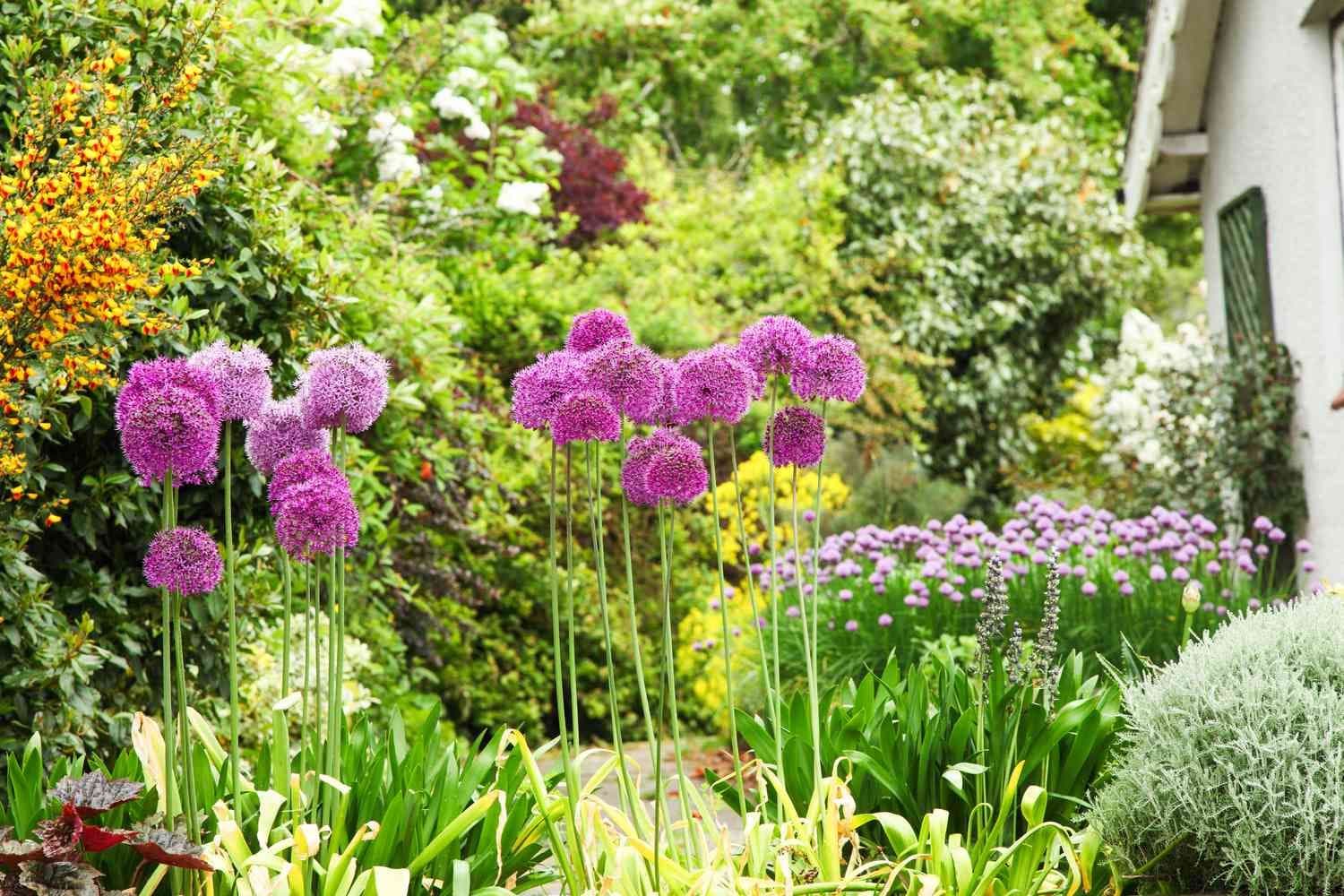
Lavender species are among the best mosquito-repellent plants. For example, English lavender in particular produces a strong odor that is pleasant to humans but overwhelming to insects' sensitive olfactory organs.
Also, it’s very cold-hardy and drought-tolerant. The plants may reach a height of 18-36 inches (45-90 cm). They don’t need regular feeding and should be watered only once every 2-3 weeks.

Citronella Grass (Cymbopogon nardus)
- Type: Outdoor
- Key advantage: Perennial in warm climates
- Main disadvantage: Toxic to animals
Essential oil from citronella grass is an ingredient in bio-repellent lotions that offer even greater protection than commercial ones. However, the plant doesn’t release its compounds - citronellal and geraniol - into the air on its own. So, growing it makes sense if you want to extract natural oil for protection.
Citronella requires much garden space — it grows up to 5-8 ft tall (150-240 cm) and 3-5 ft wide (90-150 cm). The plant needs bright, filtered light and prefers moist conditions (water once a week to daily).

Lemon Balm (Melissa officinalis)
- Type: Outdoor, indoor
- Key advantage: Low-maintenance, used in culinary
- Main disadvantage: Spreads quite aggressively
People have been using lemon balm as one of the most effective mosquito-repelling plants for centuries. Just like citronella grass, it has high levels of citronellal and produces a strong aroma deterring insects.
This bushy herb grows 2-3 feet (60-90 cm) tall and 18-36 inches (45-90 cm) wide and needs 4-6 hours of direct light and watering every 4-5 days during dry periods.

Basil (Ocimum basilicum)
- Type: Outdoor, indoor
- Key advantage: 100% windowsill-friendly
- Main disadvantage: Very cold-sensitive
Basil extract is one of the most effective mosquito killers, as the plant contains compounds that directly affect insects’ sensory systems, making them irritated, confused, and driven to leave the area. However, like many other insect-repellent plants, it must be brushed or at least put in a warm place to get “activated”.
As for the rest, it’s nearly perfect. It’s fast-growing and is easy to grow from seeds. The plant usually needs watering every 2-3 days.

Rosemary (Salvia rosmarinus)
- Type: Outdoor
- Key advantage: Easy to grow and care for
- Main disadvantage: Very sunlight-dependent
Rosemary is often used as a fragrant mosquito-deterring herb, especially outdoors. The best thing about it is that it passively releases some of its compounds, adding some layer of protection even when not crushed or heated.
This is a self-sufficient and rewarding plant overall. However, it has very low tolerance for wet, humid environments, so you should water it every 1-2 weeks.

Catnip (Nepeta cataria)
- Type: Outdoor
- Key advantage: Very hardy and cold-tolerant
- Main disadvantage: Somewhat invasive, attracts cats
Catnip contains nepetalactone, a compound known for its mosquito-deterring properties and often discussed as an alternative to synthetic repellents like DEET. It protects perfectly against mosquitoes, but only when leaves are crushed, and the effect isn’t very long-lasting.
Catnip typically grows 2-3 feet tall and spreads about 2–3 feet (60-90 cm) wide, best in full sun and average soil. Needs watering every 1-2 weeks.

Peppermint (Mentha × piperita)
- Type: Outdoor, indoor
- Key advantage: Multi-purpose (culinary, medicinal, ornamental)
- Main disadvantage: Aggressive spreading
Peppermint has a very high menthol content. Though it’s not as powerful as catnip, it still deters insects (not only mosquitoes but also ants and cockroaches) as well as mice and rats.
The plant grows to 1-3 feet (30–90 cm), is very tolerant of different light levels, but can’t survive a too-wet environment. Still needs moderate watering every 2-4 days.

Marigolds (Tagetes spp.)
- Type: Outdoor
- Key advantage: Deters harmful insects, attracts beneficial insects
- Main disadvantage: Must be replanted yearly
Known as the best garden companions, marigolds contain deterrent compounds and have a strong odor that can confuse mosquitoes. That, in turn, can keep them away from humans. But this effect is not so direct.
However, these plants have a great below-ground deterrent effect. Moreover, marigolds are easy to grow, like direct light, and need watering once or twice a week.

Scented Geranium (Pelargonium graveolens)
- Type: Outdoor, indoor
- Key advantage: Multi-purpose, great fragrance
- Main disadvantage: Very cold-sensitive
This unique plant contains geraniol, the most potent compound that deters insects. It definitely deserves its place on the list of top plants to repel mosquitoes, but again, there are some limitations. Passive release is very limited, while geranium oil is a very powerful deterrent.
These shrubs can grow to 2 feet tall and wide (1.2-1.5 m), need at least 6 hours of direct sun, and require watering every 7-10 days.

Lemongrass (Cymbopogon citratus)
- Type: Outdoor
- Key advantage: Multi-functional (culinary, medical, ornamental)
- Main disadvantage: Extremely frost sensitive
Lemongrass is often used in homemade sprays and oils, though the plant itself works better as part of a broader repellent routine. But it doesn't actively release them into the air, so it works best as a natural spray or oil.
It’s a large plant, too. It can reach 2-4 feet (60-120 cm) tall and spread 2-3 feet (60-90 cm). Lemongrass needs 6-8 hours of sun and water 1-2 times a week (or daily if the weather is hot).

Keep Plants Thriving
Get simple care guidance tailored to each plant’s needs in the app
Plants That Keep Mosquitoes Away – Quick Comparison
Now you know what plants repel mosquitoes — but which is the best for you? Take a quick glance to compare the options and pick the perfect ones: outdoor or indoor plants, or completely pet-safe plants.
Plant | Indoor | Outdoor | Pet Safety |
English Lavender | ❌ No | ✅ Yes | ⚠️ Toxic |
Citronella Grass | ❌ No | ✅ Yes | ⚠️ Toxic |
Lemon Balm | ✅ Yes | ✅ Yes | 🟢Safe |
Basil | ✅Yes | ✅ Yes | 🟢Safe |
Rosemary | ✅Yes | ✅ Yes | 🟢Safe |
Catnip | ✅ Yes | ✅ Yes | ⚠️ Toxic |
Peppermint | ✅Yes | ✅ Yes | ⚠️ Toxic |
Marigolds | ✅Yes | ✅ Yes | 🟢Safe |
Scented Geranium | ✅Yes | ✅ Yes | ⚠️ Toxic |
Lemongrass | ✅Yes | ✅ Yes | ⚠️ Toxic |
Mosquito Repelling Plants And Specific Care Needs
Plants that keep mosquitoes away offer multiple benefits: pleasant scents, beautiful flowers, and, of course, insect-deterrent properties. However, some of them are quite difficult to care for.
Let’s take citronella grass as an example. It has a tropical origin, which is why it requires more sun and heat, daily watering, ample space, and advanced seasonal management. Simply put, it requires a detailed, science-backed, seasonal care plan.
The Botan flowers identifier gives exactly that in just a few taps. Just scan a plant or search for it in the database. In 1-3 seconds, you’ll get a detailed care guide. You’ll also learn all about its anti-mosquito properties, easily identify diseases, and get an advanced treatment plan.
5 Tips for Using Insect-Repelling Plants Effectively
Here are a few recommendations that can help you upgrade your natural protection against mosquitoes:
- Make your own herb-infused spray. It will work like a natural mosquito deterrent (catnip provides the longest protection).
- Harvest leaves right before you need them. If you’re going outside, apply leaves/oil to the skin or create a solution within 30-50 minutes max. Test for an allergy first.
- Group your outdoor plants for better protection. That’s how you create a safe space outside. A single plant won’t make a big difference.
- Use basil near standing water. It deters insects from laying eggs in it.
- Store homemade natural spray in the fridge. It can last up to a month.
Also, you can use a homemade spray not only in the room or on the skin, but also on the plants themselves.
FAQ
Yes, all plants that deter insects are container-friendly. All (except for lavender and citronella grass) are often grown in pots indoors.
Dariia Plaksina
Botanist
5 years of botanical research experience
Dariia Plaksina is a biologist, botanist, and writer of informational articles with over 5 years of experience exploring the world of plants, nature, and biology. She studied at Taras Shevchenko National University of Kyiv, Educational and Scientific Center “Institute of Biology and Medicine,” where she built a strong scientific foundation for her future work.
For Dariia, writing is a hobby, a calling, and a way to make reliable knowledge easier to understand. Her articles focus on plant care, plant health, and natural processes, helping readers learn more about the living world through clear, accessible, and science-based explanations.
Related Articles
4 min read · 20 Oct 2026
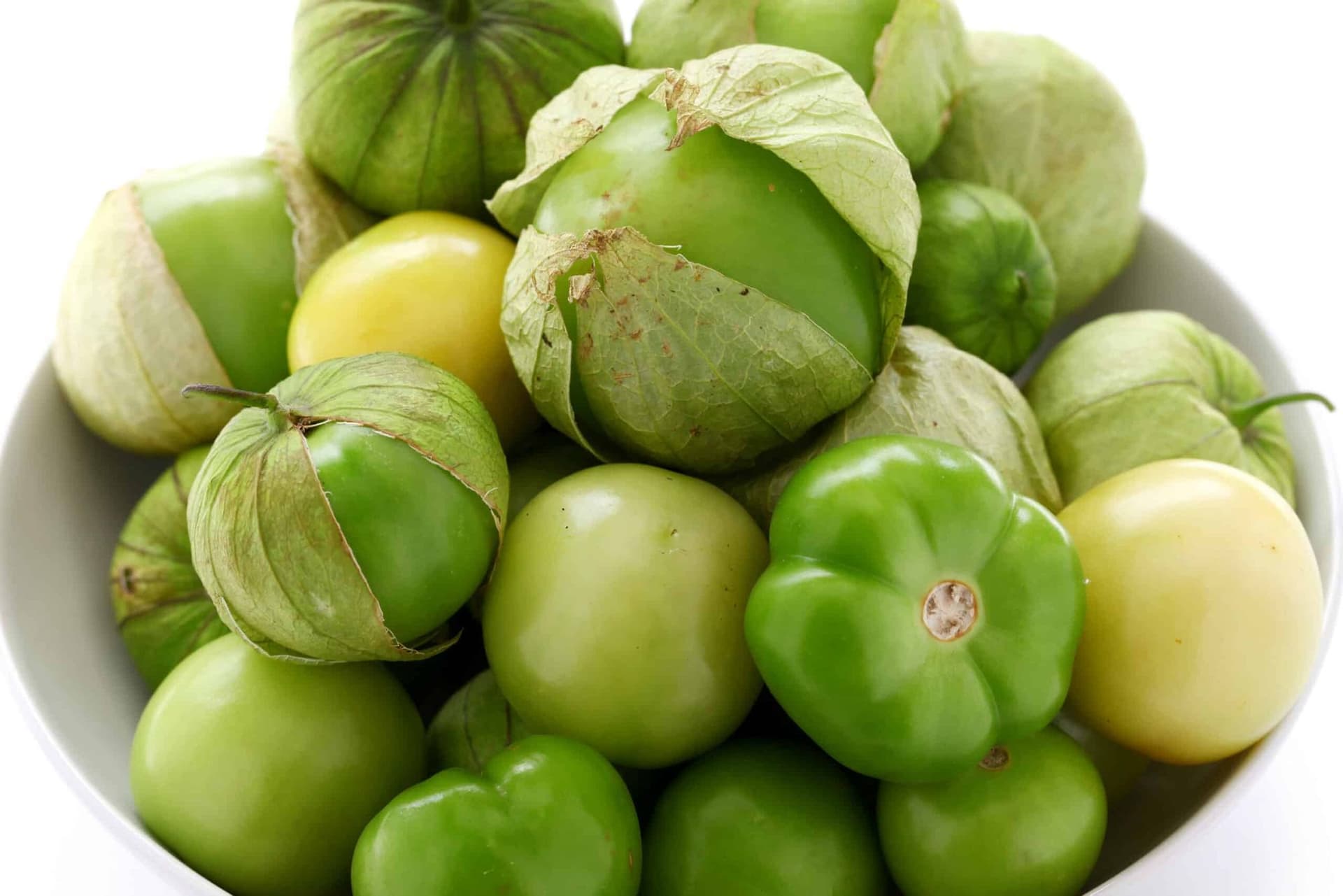
When to Harvest Tomatillos: How to Tell When They're Ripe
Tomatillos grow inside papery husks, making it hard to judge ripeness at a glance. This guide explains how to know when tomatillos are ripe and offers practical advice on harvesting and storage.
8 min read · 16 Oct 2026
20 Funny Plant Names That Make You Laugh
Some plants carry names that sound like jokes. This guide explains the origins of 20 funny plant names. You will also see which of these plants you can grow at home.

7 min read · 13 Oct 2026
12 Best Cold-Hardy Vegetables for Cold Weather
Cold-hardy vegetables can keep a garden productive through chilly fall, winter, and early spring weather. This guide covers 12 reliable crops, their frost tolerance, and practical growing tips for better cold-season harvests.
Explore Plants by Care Needs
Identify the plant and problem. Help your plant recover
Identify plant problems early, understand what's wrong, and get clear care guidance. Botan helps you turn guesswork into confident plant care