When to Harvest Tomatillos: How to Tell When They're Ripe
Tomatillos grow inside papery husks, making it hard to judge ripeness at a glance. This guide explains how to know when tomatillos are ripe and offers practical advice on harvesting and storage.

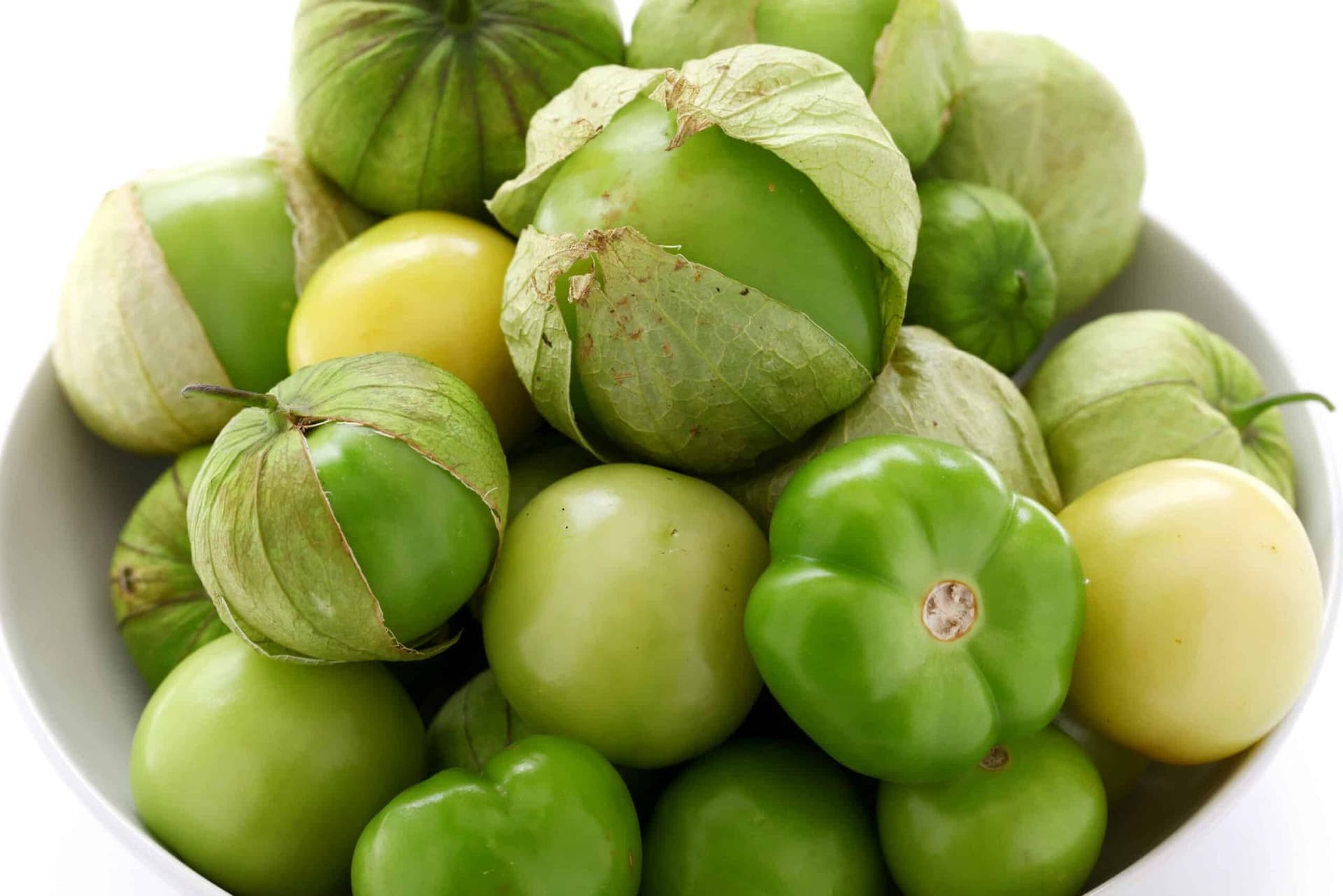
Wondering when to harvest tomatillos? Pick them when the fruit feels firm and fills its papery husk. Green varieties are generally harvested before yellowing, while purple types develop color as they mature. Botan can help identify this vegetable from a photo.
When Are Tomatillos Ripe and Ready to Harvest?
To decide when to pick tomatillos (Physalis ixocarpa), check whether each firm fruit fills its papery husk. The covering may split as it grows, but it doesn't have to tear before picking. Tomatillos are fruits, but you'll also see them on a list of vegetables because they're used in savory dishes. Green varieties are typically harvested before yellowing, while their flavor remains tart.
Check each fruit rather than harvesting an entire branch at once. Those with loose, oversized husks may need more time to develop. If a green tomatillo turns yellow or begins to soften, it's past the stage preferred for most salsas. Inspect the plant every few days during peak harvest.

What Does a Ripe Tomatillo Look Like?
To learn how to tell when tomatillos are ripe, check the husk. The fruit should feel firm and fill it.
Stage | What to look for |
Underripe | Small fruit with space inside the husk |
Ready to pick | Firm fruit filling its husk; green or developing purple, depending on variety |
Past peak | Green fruit turning yellow, softening, and losing tartness |
A ripe tomatillo may have a split husk. Fruit may measure 1–3 inches across, depending on the variety.

When Are Tomatillos in Season?
When are tomatillos ready to pick? In much of the U.S., harvests often begin in midsummer, roughly 60–75 days after transplanting. Like other plants for full sun, they need plenty of direct light.
Cooler regions may start later, but plants can continue producing into fall. If growth slows, the plant care guides offer advice on sunlight and watering. Pollinated flowers can develop fruit until frost.

Keep Plants Thriving
Get simple care guidance tailored to each plant’s needs in the app
How to Harvest Tomatillos Without Damaging the Plant
When harvesting tomatillos, handle them gently to protect nearby stems. Keep clean pruners and a basket handy.
- Support the branch with one hand and gently twist the fruit free with the other.
- If it resists, cut the stem rather than pulling.
- Place each one in the basket with its papery husk intact.
Check beneath the plant, too, since fallen fruit isn't necessarily ripe. Keep those with intact skins, discard any showing mold or rot, and wash usable fruit after removing its husk.

Growing tomatillos at home?
Find practical guidance for your garden plants
Can You Eat Yellow or Overripe Tomatillos?
Yellow tomatillos are generally fine to eat if they show no signs of spoilage. Green varieties can turn yellow when left on the plant past their preferred harvest stage. Their tart flavor becomes milder and somewhat sweeter, and the flesh may soften. You can still use them in cooked dishes, although salsa verde may taste less tangy.
Remove the papery husk and inspect the fruit before use. Discard any with mold, leaking juice, slimy patches, or an unpleasant odor.
Do Tomatillos Ripen Off the Vine?
Tomatillos picked close to maturity may continue ripening off the vine. Very small fruit is unlikely to develop much further. Keep early-picked fruit in its husk in a cool, well-ventilated place and check regularly for soft spots or mold.
If frost is forecast, gather the remaining crop. You can also uproot the plant and hang it upside down in a garage or storage area protected from freezing. The fruit may turn yellow during storage, but that doesn't necessarily improve
its flavor. In green varieties, the characteristic tartness can fade.

How to Store Freshly Harvested Tomatillos
For refrigerator storage, keep tomatillos dry, unwashed, and inside their papery husks. Place them in a paper bag and plan to use them within one to two weeks. Avoid airtight plastic bags, which can trap moisture and speed up spoilage.
You can freeze extra fruit. Prepare it before packing:
- Remove the husks and rinse away the sticky coating.
- Dry the fruit, then freeze it on a baking sheet.
- Pack into labeled freezer bags once solid.
Use the frozen harvest within 8-12 months for best quality. For more on nutrition after freezing, see frozen vs fresh vegetable nutrients.
FAQ
A tomatillo is ready to pick when the fruit feels firm and nearly fills its papery husk. The covering may split as the fruit grows, though this isn't necessary for harvest. Green varieties are usually picked before they begin turning yellow, and mature fruits should detach without much force.
Anastasiia Vasylchyshyna
Botanist
5+ of botanical experience
Anastasiia Vasylchyshyna studied biology at Taras Shevchenko National University of Kyiv, at the Educational and Scientific Center "Institute of Biology and Medicine." That academic grounding shaped how she approaches every article: start with the science, end with something a plant owner can actually act on.
Over the years, she's written dozens of articles on plant care and plant pathology — covering everything from seasonal plant picks, garden prep, propagation and pruning guides, and the everyday mistakes that harm houseplants. Her goal isn't just to answer a question, but to help readers understand why a plant behaves the way it does, so they can spot problems on their own next time.
Related Articles
8 min read · 16 Oct 2026
20 Funny Plant Names That Make You Laugh
Some plants carry names that sound like jokes. This guide explains the origins of 20 funny plant names. You will also see which of these plants you can grow at home.
7 min read · 13 Oct 2026
12 Best Cold-Hardy Vegetables for Cold Weather
Cold-hardy vegetables can keep a garden productive through chilly fall, winter, and early spring weather. This guide covers 12 reliable crops, their frost tolerance, and practical growing tips for better cold-season harvests.
8 min read · 9 Oct 2026
15 Best Scary Halloween Plants and Fungi for a Spooky Garden
Want a garden that looks eerie in October? Here are 15 Halloween plants and fungi, from carnivorous traps to bleeding mushrooms. For each species, we cover its appearance, care requirements, and potential uses in your landscape.
Explore Plants by Care Needs
Identify the plant and problem. Help your plant recover
Identify plant problems early, understand what's wrong, and get clear care guidance. Botan helps you turn guesswork into confident plant care