Tomatillo Care (Physalis ixocarpa)

Also known as: Annual Ground Cherry
Tomatillo

About Tomatillo

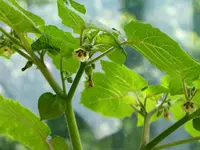
Tomatillo, Physalis ixocarpa, is a warm-season annual vegetable grown for its tart, green or purple fruits enclosed in a papery husk. The plant forms a branching, bushy habit with many small yellow flowers that develop into firm, round fruits used in salsas and sauces.

It originates from Mexico and Central America and is now widely cultivated in home gardens in warm and temperate regions. Plants are generally vigorous and fast-growing but need reliable pollination, so at least two plants are usually recommended.

Tomatillo is considered moderately easy to grow if it receives full sun, moderately moist but well-drained soil, and regular feeding. Understanding how to care for Tomatillo helps ensure good fruit set and consistent yields.

Main Plant Requirements

Care Difficulty

Moderate Care

Light Preference

Full Sun

Water Requirements

Moderate Water

Temperature Preference

Tropical / Frost Sensitive

Hardiness Zone

9–11

Soil Texture

Sandy, Loamy, Organic-rich

Soil pH

Acidic (5.5–6.5), Slightly acidic (6.5–7.0)

Soil Drainage

Moist but well-drained

Fertilization

Moderate (every 2–4 weeks)

Get Personalized Care Plan

Scan your plant to receive care tips personalized for your specific plant

Available on iOS and Android

How to Care for the Tomatillo

This plant needs strong sun to fruit well, but benefits from some protection during intense afternoon heat.

  • Provide 6–8 hours of direct sun daily; full sun is best in spring and early summer for high yields.
  • In very hot climates, give morning sun and light afternoon shade to prevent leaf scorch and sunburn on developing tomatillo fruits.
  • If grown in partial shade (4–5 hours sun), expect fewer fruits and leggier growth, as stems stretch toward stronger light.

Consistent, moderate moisture supports healthy growth and reliable fruit set.

  • Water when the top 3–5 cm of soil feels dry, soaking the root zone deeply rather than giving light, frequent splashes.
  • Use well-drained soil or raised beds so excess water can escape; soggy conditions lead to yellowing leaves, wilting despite wet soil, and root rot.
  • In hot, dry periods, monitor more often for drooping or dull leaves, while reducing watering in cool or rainy weather to avoid fungal problems.

Stable warmth is essential for strong growth and fruit production in this warm-season crop.

  • Optimal growth occurs around 70–85°F (21–29°C); flowering and fruiting are most reliable within this range.
  • Plant outdoors only after nights stay above 55°F (13°C); frost below 32°F (0°C) can kill plants outright or severely damage new growth.
  • During heat above 95°F (35°C), plants may drop flowers and fruit; use mulch and soil moisture management to reduce heat stress.

This species grows well in typical outdoor humidity and rarely needs special humidity management.

  • Target 40–60% humidity, which most temperate outdoor climates naturally provide during the growing season.
  • Plants tolerate brief drier air but prolonged hot, very dry wind can cause leaf edge browning and flower drop.
  • In very arid regions, increase local humidity by using light mulch and occasional overhead misting early in the day.

This plant prefers loose, well-drained, moderately fertile soil for reliable fruiting.

  • Use a loamy or sandy-loam base with 20–30% compost to balance moisture retention and aeration.
  • Aim for slightly acidic to neutral pH around 6.0–7.0 to support nutrient availability and root activity.
  • For containers or heavy soils, blend in perlite or coarse sand to prevent compaction and standing water.
  • Avoid waterlogged clay, thick unamended compost, or soil crusting, which encourages root rot and weak growth in Physalis ixocarpa.

This species is suitable for container growing when given enough root volume and firm support.

  • Choose a pot at least 30–40 cm wide and deep so the spreading root system can anchor the lanky stems securely.
  • Use a heavy clay or weighted container in windy sites to prevent the tall, fruit-laden plant from tipping.
  • Position a central stake or small cage in the pot at planting time so developing stems and fruit clusters remain supported and stable.

This plant benefits from moderate, balanced nutrition to support strong growth and fruiting.

  • Use a balanced NPK fertilizer (such as 10-10-10) or well-rotted compost mixed into the soil before planting Tomatillo.
  • During the main growing season, feed every 3–4 weeks with a balanced liquid fertilizer diluted to 1/2 strength.
  • In rich garden soil, reduce feeding to avoid excessive leafy growth at the expense of fruit set.
  • Stop fertilizing in late summer and avoid feeding during winter or dormancy to prevent weak, soft growth.

Pruning Physalis ixocarpa is light but helpful for managing size, airflow, and fruit quality.

  • Best timing is late spring to early summer, once plants are established and growing strongly.
  • Use clean, sharp pruners to remove dead, damaged, or diseased stems as soon as they appear.
  • Thin out crowded interior shoots to improve airflow and reduce fungal problems around foliage and fruit.
  • Tip back excessively long, sprawling stems to keep plants upright and to encourage branching and more flowering shoots.

This species is usually grown as an annual crop, so transplanting young plants matters more than long-term repotting.

  • Start seeds in small cells, then transplant once roots lightly fill the plug and white roots appear at drainage holes.
  • Move seedlings outdoors after frost risk passes and soil warms, handling roots gently to limit transplant shock.
  • Plant into the garden or larger containers at the same depth, firm soil lightly, and water thoroughly to settle roots.
  • If container-grown and roots circle the pot or growth slows midseason, shift to 1 size larger with fresh, well-drained mix.

Physalis ixocarpa is most commonly propagated by seed for reliable, uniform crops.

  • Sow seeds indoors 6–8 weeks before the last frost, using a sterile, well-drained seed-starting mix.
  • Maintain 70–80°F and bright light; seeds usually germinate in 7–14 days in evenly moist, not waterlogged, media.
  • Transplant seedlings when they develop 2–3 true leaves, disturbing roots as little as possible.
  • Stem cuttings are possible in warm conditions but are less practical than seed for routine home production.

This warm-season annual is frost sensitive and usually does not overwinter outdoors in cold climates.

  • Plants are typically removed after the first hard frost once fruiting stops and foliage declines.
  • In mild, frost-free areas, a light mulch around the base can help roots in cool spells.
  • Container plants in cooler zones can be discarded after harvest or experimented with indoors under strong light and warm temperatures.

Care Tips

Use sturdy cages

Install strong tomato-style cages at planting time to keep stems upright, prevent fruit from touching the soil, and make harvesting easier as husks fill and plants become top-heavy.

Mulch for clean fruit

Apply a 5–8 cm layer of clean straw or shredded bark under plants to reduce soil splash, keep fruits cleaner in their papery husks, and limit weed competition around the shallow root zone.

Encourage cross-pollination

Plant at least 2 compatible tomatillo plants close together and consider gently shaking flowering stems at midday to improve pollination and ensure husks fill with full-size fruits when growing Tomatillo.

Manage heavy clusters

As fruit clusters enlarge, loosely tie laden branches to stakes or cage wires with soft ties to prevent breakage and allow better light and air movement around developing fruits.

Harvest at husk stage

Pick fruits when the husk has fully expanded, turned papery, and just begun to split, then remove any fallen fruits promptly so they do not self-seed excessively or attract pests.

Common Pests and Diseases

Tomato hornworm

This pest is a large green caterpillar that feeds heavily on foliage and can chew holes in husks and developing fruit. Symptoms include defoliation, frass (dark droppings), and partially eaten leaves and fruit.

Solution

Hand-pick hornworms in early morning or evening and drop them into soapy water, and check plants daily during peak summer. Encourage natural predators such as parasitic wasps by avoiding broad-spectrum insecticides, and use floating row covers on young plants if infestations are frequent.

Aphids

These insects cluster on tender shoots and the undersides of leaves, sucking sap and causing curling, distortion, and sticky honeydew that can lead to sooty mold. This pest can also transmit viral diseases between Physalis plants and other nightshades.

Solution

Spray colonies off with a strong jet of water, then treat remaining infestations with insecticidal soap or neem oil, coating leaf undersides thoroughly. Remove heavily infested shoot tips and control nearby ant populations that protect aphids.

Early blight

This disease, caused by the fungus Alternaria, produces brown leaf spots with concentric rings and yellow halos, usually starting on older leaves. Symptoms include progressive defoliation from the bottom up, which exposes fruit to sunscald and reduces yield.

Solution

Remove and dispose of infected leaves promptly and avoid overhead watering to keep foliage dry. Rotate crops for at least 3 years away from other nightshades, mulch around the base to reduce soil splash, stake or cage plants for better airflow, and use a copper-based fungicide preventively if the disease is recurrent in the area.

Powdery mildew

This disease appears as white, powdery growth on upper leaf surfaces, leading to yellowing, distortion, and premature leaf drop, especially in crowded plantings. Symptoms include reduced vigor and poor fruit development in humid conditions with poor airflow.

Solution

Improve spacing and airflow, water at the base in the morning, and remove badly affected leaves to slow spread. Apply a labeled sulfur, potassium bicarbonate, or neem-based product at the first sign of infection, repeating as directed during humid periods as part of Physalis ixocarpa care instructions.

Bacterial spot

This disease causes small, dark, water-soaked lesions on leaves and sometimes on husks and fruit, which can crack and become unmarketable. Symptoms include leaf yellowing, shot-hole appearance, and rapid spread in warm, wet weather or under overhead irrigation.

Solution

Remove and discard infected plant material and avoid working among wet plants to limit spread. Use drip irrigation instead of overhead watering, rotate away from nightshades for several years, disinfect tools, and start future crops from certified disease-free seed or transplants.

Interesting Facts

Unique husk formation

The papery husk around each tomatillo fruit is formed from the calyx, which keeps expanding after flowering and creates a closed lantern that protects the developing berry from some pests and sunscald.

Self-incompatibility trait

Most tomatillo plants are self-incompatible, meaning a single plant usually cannot fertilize itself; two or more genetically different plants are typically needed for reliable fruit set.

Center of domestication

Tomatillo was domesticated in pre-Columbian Mesoamerica, especially in what is now central Mexico, and remains a foundational ingredient in many traditional Mexican green sauces and salsas.

Botan icon

Did you know?

Unlike its close relative the cultivated tomato, tomatillo fruits stay firm and tangy when ripe, with pectin-rich flesh that makes them particularly well suited for cooking into stable, thick sauces without long reduction.

FAQs about Tomatillo

Lack of blooms usually comes from insufficient sunlight, cool temperatures, or poor pollination. Excess nitrogen fertilizer can also push leaf growth instead of flowers. Ensure full sun, moderate feeding, and allow insect access or gently shake plants to move pollen.

Grow Healthy Plants with Botan Care

Keep your plants happy and healthy with plant identification, disease detection, and easy care guidance.

Botan plant care app — identify plants on mobile

Explore More Plants