red flowering currant Care (Ribes sanguineum)

Also known as: redflower currant, Flowering currant
red flowering currant

About red flowering currant

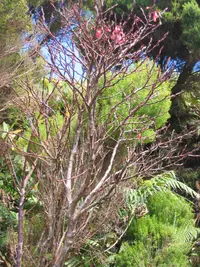
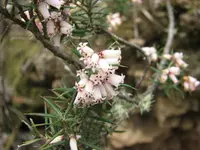
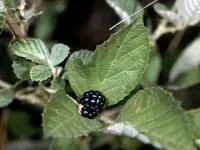
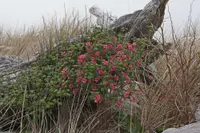
Red flowering currant, Ribes sanguineum, is a deciduous shrub grown mainly for its early spring flowers and value to wildlife. It typically forms a rounded, bushy shape with many upright stems. The plant bears hanging clusters of pink to deep red flowers, followed by small blue-black berries that attract birds. Leaves are softly textured, lobed, and lightly aromatic when crushed. Ribes sanguineum is native to western North America, where it grows in woodlands, open slopes, and along forest edges. It is generally considered easy to grow, as it tolerates cool conditions, partial shade, and ordinary garden soils. Gardeners who want to know how to care for red flowering currant should note that it prefers well-drained soil and moderate, consistent moisture once established.

Main Plant Requirements

Care Difficulty

Easy Care

Light Preference

Partial Sun

Water Requirements

Moderate Water

Temperature Preference

Cold Hardy

Hardiness Zone

5–8

Soil Texture

Loamy, Sandy, Clay

Soil pH

Acidic (5.5–6.5), Slightly acidic (6.5–7.0)

Soil Drainage

Moist but well-drained

Fertilization

Minimal (feed rarely)

Get Personalized Care Plan

Scan your plant to receive care tips personalized for your specific plant

Available on iOS and Android

How to Care for the red flowering currant

This deciduous shrub performs best with bright outdoor light and some daily direct sun.

  • Provide 4–6 hours of direct sun, ideally morning sun with light afternoon shade, especially in hotter regions to protect leaves from scorch.
  • Tolerates partial shade (as little as 2–3 hours of direct sun), but red flowering currant will flower less and grow more openly in lower light.
  • In cooler coastal or northern areas, Ribes sanguineum can handle full sun; in hotter inland sites, use filtered light under high, open trees.

This shrub prefers evenly moist but not saturated soil, especially during establishment and flowering.

  • Before watering, check that the top 3–5 cm of soil feel dry; then water deeply so moisture reaches the full root zone, rather than giving frequent light splashes.
  • Reduce watering in autumn and winter, increasing only during extended dry spells or heatwaves when leaves start to lose turgor or curl slightly.
  • Ensure well-drained soil or raised beds so water does not pool; persistent wilting with wet soil, yellowing lower leaves, or dieback suggest overwatering for Ribes sanguineum.

This hardy shrub tolerates a wide temperature range but grows best in cool to mild climates.

  • Active growth and flowering are strongest at 50–70°F (10–21°C), with comfortable performance up to about 75°F (24°C) in moderate humidity and partial shade.
  • Mature plants generally survive down to about 0°F (-18°C) once established, though young shoots and flower buds can be damaged by late spring frosts.
  • Heat above 85°F (29°C), especially with dry winds, can stress plants; provide mulch, afternoon shade, and consistent soil moisture during hot, dry periods.

Ribes sanguineum handles a wide humidity range and usually needs no special humidity management outdoors.

Ribes sanguineum grows best in loose, well-drained soil that holds some moisture but does not stay waterlogged.

  • Use loamy soil with moderate organic matter; mix garden soil with compost to improve structure and nutrient availability.
  • Aim for slightly acidic to neutral pH around 6.0–7.0, avoiding strongly alkaline or heavily limed sites.
  • Improve drainage and aeration by incorporating coarse sand or fine grit in dense or clay-heavy soils.
  • Avoid compacted, boggy, or standing-water areas, which promote root rot and weak growth.

This shrub can be grown in containers when given enough root volume and stable, well-drained conditions.

  • Choose a large, deep, heavy container to anchor the shrub against wind and support its woody root system.
  • Select a potting mix that drains freely yet retains some moisture, avoiding pure garden soil that compacts in pots.
  • Raise the container slightly on pot feet or bricks so drainage holes stay clear and excess water exits quickly.

This shrub usually thrives in average garden soil, but light feeding can support flowering and overall vigor when caring for red flowering currant.

  • Apply a balanced slow-release fertilizer (around 10-10-10) at half strength once in early spring as new growth starts.
  • In richer soils, use compost as a top-dressing instead of granular fertilizer, keeping it away from direct stem contact.
  • Avoid midsummer and late-season feeding so new shoots harden before winter and the plant maintains natural dormancy patterns.

Thoughtful pruning of Ribes sanguineum maintains a healthy framework and supports abundant spring flowers.

  • Prune just after flowering in late spring so flower buds for next year, which form on new wood, are not removed.
  • Cut out dead, damaged, or crossing stems at the base using clean, sharp bypass pruners for neat wounds.
  • Thin older, congested branches over several years to open the center, improve air flow, and encourage vigorous young shoots.
  • Shorten overly long stems by up to one-third to refine shape while preserving the plant’s natural arching habit.

Ribes sanguineum is usually grown in the ground, so focus on careful transplanting rather than frequent repotting.

  • Plan transplanting for late fall or early spring when the plant is dormant and soil is workable.
  • Move shrubs that show poor performance, crowding, or sit in unsuitable light, lifting with as much root ball as possible.
  • Water deeply a day before digging, then replant at the same soil level in a prepared hole with loosened surrounding soil.
  • After transplanting, water thoroughly, apply a 5–8 cm mulch layer, and keep soil evenly moist while new roots establish.

Ribes sanguineum is commonly propagated from cuttings, with seeds and layering as secondary methods.

  • Take semi-ripe cuttings in mid to late summer, 10–15 cm long, from non-flowering shoots with healthy leaves.
  • Insert cuttings into a free-draining mix, keep evenly moist, and maintain bright, indirect light with moderate humidity until rooted.
  • For hardwood cuttings, collect dormant shoots in late fall or winter and place them in outdoor nursery beds or pots.
  • Sow ripe seed in autumn in trays outdoors for natural cold stratification, or artificially chill seed before spring sowing.

This shrub is generally cold hardy in many temperate regions and usually needs minimal winter care.

  • Ribes sanguineum tolerates typical winter frosts once established, especially in well-drained soil.
  • Add a 5–8 cm mulch layer over the root zone in late fall to moderate soil temperature and conserve moisture.
  • For container-grown plants, move pots to a sheltered, unheated location to prevent root damage from repeated freeze–thaw cycles.

Care Tips

Root-zone mulching

Apply a 5–8 cm layer of shredded bark or wood chip mulch in spring, keeping it 5 cm away from the stems, to stabilize soil moisture, cool the root zone, and reduce weed competition around the shrub.

Flower bud protection

In regions with late frosts, drape a breathable frost cloth or lightweight sheet over the plant on nights forecast below 28°F to protect developing flower buds and maintain reliable spring bloom.

Selective branch training

After flowering, lightly tie young flexible shoots to a simple wooden or wire support at a 45–60° angle to open the canopy, improve air flow, and encourage more flowering spurs along the branches.

Renewal scheduling

Mark 1–3 of the oldest, thickest stems with colored tape during peak leaf-out, then remove them at ground level in late summer or early fall on a 2–3 year cycle to maintain a vigorous, floriferous framework when caring for red flowering currant.

Targeted pest monitoring

From early spring, inspect the undersides of leaves weekly with a hand lens, especially near flower clusters, and remove or hose off small aphid colonies before they expand, which reduces the need for later chemical controls.

Common Pests and Diseases

Currant aphids

These insects cluster on young shoots and leaf undersides, sucking sap and causing curled, distorted foliage and sticky honeydew deposits.

Solution

Prune out heavily infested shoot tips, then spray remaining foliage with a strong jet of water to dislodge aphids. If needed, apply insecticidal soap or a light horticultural oil, ensuring thorough coverage of leaf undersides, and encourage natural predators such as lady beetles by avoiding broad-spectrum insecticides nearby.

Currant blister aphid

This pest causes raised, blister-like red or yellow patches on leaves, which may become distorted but usually remain attached.

Solution

Remove and dispose of the most distorted leaves early in the season to reduce populations, then use insecticidal soap or horticultural oil on young foliage before blisters become extensive. Maintaining good plant vigor with proper watering and balanced fertilization helps the shrub tolerate minor damage.

Powdery mildew

This disease produces white, powdery fungal growth on leaves, young stems, and flower clusters, sometimes leading to leaf distortion and premature leaf drop.

Solution

Improve air circulation by thinning crowded stems and avoiding overhead watering late in the day. Remove and discard infected leaves, then use a sulfur-based fungicide or potassium bicarbonate spray according to label directions at the first sign of infection as part of general Ribes sanguineum care.

Currant sawfly

These insects are green, caterpillar-like larvae that skeletonize leaves rapidly, often stripping lower branches first and leaving only leaf veins.

Solution

Inspect plants frequently in spring and early summer, hand-picking larvae or shaking them onto a sheet for disposal at the first sign of feeding. For heavier infestations, use a targeted insecticide labeled for sawflies such as spinosad, applied in the evening to minimize impact on pollinators.

Currant leaf spot

This disease causes small dark brown to purplish spots on leaves that can merge, leading to yellowing and early defoliation, especially in damp seasons.

Solution

Collect and dispose of fallen leaves in autumn to reduce overwintering spores, and avoid wetting foliage when watering. In areas with recurring problems, apply a copper-based fungicide at bud break and repeat as directed, focusing on maintaining open, well-ventilated growth through regular pruning.

Interesting Facts

Early nectar source

This shrub flowers very early in spring, providing one of the first reliable nectar and pollen sources for hummingbirds, bumble bees, and early-emerging solitary bees in its native Pacific Northwest range.

Specialized fragrance

Its tubular pink to red flowers release a distinct resinous and spicy scent that helps attract early pollinators in cool weather conditions when insect activity is otherwise limited.

Native habitat niche

In the wild it commonly grows on dry to moderately moist slopes, open woodland edges, and disturbed sites from British Columbia to California, often helping stabilize soil and add structural diversity to shrub layers.

Botan icon

Did you know?

In 19th-century Europe, this species became widely planted as an ornamental shrub after Scottish botanist David Douglas sent seed from North America, and it played a notable role in early breeding work that led to several popular garden cultivars with different flower colors and intensities.

FAQs about red flowering currant

Lack of flowers usually comes from pruning at the wrong time, excessive shade, or nutrient imbalance. Hard pruning after midsummer removes next year’s buds. Overfertilizing with high-nitrogen products favors leafy growth instead of blooms.

Grow Healthy Plants with Botan Care

Keep your plants happy and healthy with plant identification, disease detection, and easy care guidance.

Botan plant care app — identify plants on mobile

Explore More Plants