Pinch For Bushiness
Lightly pinch or trim soft shoot tips in early spring to encourage branching and a denser, floriferous mound rather than a few long, lax stems.

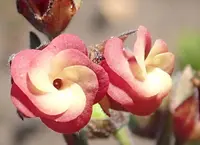
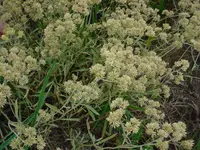
Blazing dollsrose, Hermannia flammula, is a compact, shrubby perennial known for its fine, branching stems and small bell-shaped flowers in warm orange to red tones. The foliage is typically small and narrow, giving the plant a delicate, airy look.
This species is native to South Africa, where it grows in sunny, open habitats with well-drained, often sandy or rocky soils. In cultivation it stays relatively small and bushy, making it suitable for pots, rock gardens, or mixed dry borders.
It generally prefers bright light, low to moderate moisture, and a gritty, free-draining soil. These traits make it well suited to dry, sunny locations, but it can be a bit challenging for those who do not yet know how to care for Blazing Dollsrose.

Care Difficulty
Moderate Care

Light Preference
Full Sun

Water Requirements
Moderate Water

Temperature Preference
Warm Climate

Hardiness Zone
9–11

Soil Texture
Sandy, Loamy, Rocky

Soil pH
Slightly acidic (6.5–7.0), Neutral (7.0)

Soil Drainage
Well-drained

Fertilization
Minimal (feed rarely)
Scan your plant to receive care tips personalized for your specific plant
Available on iOS and Android
Hermannia flammula thrives in bright, open conditions with strong but not extreme sun exposure.
Hermannia flammula prefers slightly dry, fast-draining conditions rather than constant moisture.
This species prefers mild, dry climates and is sensitive to hard frost and extreme heat.
This species prefers moderately dry air and does not require elevated humidity.
This shrub prefers light, sharply drained soil that dries quickly after watering.
This species is well suited to container growing in bright, dry locations.
This small shrub benefits from modest feeding but does not need heavy fertilizer to perform well.
Pruning Hermannia flammula is mainly done to maintain a compact shape and sustain good flowering.
This shrub is more often grown in the ground, but container plants occasionally benefit from repotting to refresh the root zone.
New Hermannia flammula plants are most often produced from semi-ripe cuttings or seeds.
This shrub is only lightly frost tolerant and benefits from some winter protection in colder areas.

Plant Health Check
Not sure what's wrong with your plant? Check your plant's health inside the app.
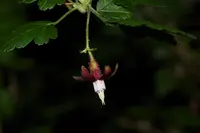
This species produces dense clusters of small, tubular yellow to orange-red flowers with reddish calyces, giving a visual impression of glowing embers that inspired the name flammula, meaning little flame.
Hermannia flammula is native to arid and semi-arid parts of southern Africa, where it grows naturally in rocky, well-drained habitats and low shrublands rather than in moist forest or rich soils.
This species belongs to Malvaceae, the mallow family, making it a distant relative of hibiscus, cotton, and okra, and it shares family traits such as alternate leaves and a characteristic floral structure with fused calyces.
Lack of flowers usually comes from insufficient light, excessive nitrogen fertilizer, or heavy, unpruned wood. Ensure strong light, use balanced or low-nitrogen feed, and lightly prune after flowering to stimulate new, flower-bearing shoots.
Keep your plants happy and healthy with plant identification, disease detection, and easy care guidance.