Bud thinning
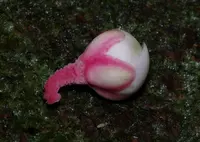
On mature shrubs, remove some inner or weak flower buds early in the season so the remaining buds receive more energy and develop into larger, higher-quality blooms.


China rose, Rosa chinensis, is a flowering shrub rose valued for its repeat blooming and long ornamental season. It is a classic garden species and an important parent of many modern roses.
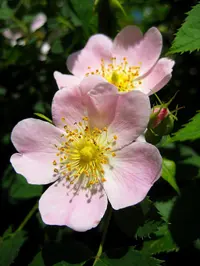
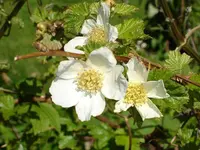
Plants typically form bushy, upright shrubs with glossy green foliage and flowers in shades of pink, red, or sometimes white. Many forms have a light to moderate fragrance.
Rosa chinensis originates from China and has been cultivated there for centuries before spreading worldwide. It adapts well to temperate climates and is generally considered manageable for most home gardeners.
Good sunlight, well-drained soil, and steady moisture make it easier to care for China rose and keep flowering consistent and foliage healthy.

Care Difficulty
Moderate Care

Light Preference
Full Sun

Water Requirements
Regular Water

Temperature Preference
Warm Climate

Hardiness Zone
6–9

Soil Texture
Loamy, Sandy, Organic-rich

Soil pH
Acidic (5.5–6.5), Slightly acidic (6.5–7.0)

Soil Drainage
Moist but well-drained

Fertilization
Moderate (every 2–4 weeks)
Scan your plant to receive care tips personalized for your specific plant
Available on iOS and Android
Rosa chinensis needs consistent sun to flower well while avoiding extreme afternoon scorch.
Rosa chinensis performs best with steady moisture in well-drained soil, not constant wetness.
This rose favors mild, stable temperatures but can handle a broad outdoor range with proper protection.
Rosa chinensis prefers moderate humidity and usually adapts to typical home air if not extremely dry.
Rosa chinensis performs best in deep, well‑structured soil that holds moisture evenly yet drains freely.
This species is suitable for container growing when the pot is chosen to support its woody roots and upright canopy.
Rosa chinensis responds well to moderate, consistent feeding during its active growing season.
Rosa chinensis benefits from structured pruning to maintain health, flowering, and shape.
Container-grown China rose and young garden plants need thoughtful transplanting to avoid root stress.
Rosa chinensis is commonly propagated by cuttings and layering for consistent flower and growth traits.
Rosa chinensis has limited frost tolerance and benefits from basic winter protection in colder regions.

Plant Health Check
Not sure what's wrong with your plant? Check your plant's health inside the app.
This rose species has been cultivated in China for more than 1,000 years and was described in classical Chinese horticultural texts long before it reached Europe.
Rosa chinensis carries genetic traits for repeating or continuous flowering, and its hybridization with European once-blooming roses led to modern garden roses that flower multiple times a year.
Many forms of this species are rich in anthocyanins, the red and purple pigments in petals, which contribute to its vivid flower colors and have been used historically as a natural dye.

Genetic and historical evidence indicates that Rosa chinensis was one of the key founding parents behind most modern hybrid tea and floribunda roses, meaning a large share of today’s garden roses trace a significant part of their ancestry back to this single species.
Lack of blooms usually comes from insufficient light, nutrient imbalance, or heavy old wood. This plant flowers best on young growth, so regular light pruning and balanced feeding support reliable flowering when overall health and light are adequate.
Keep your plants happy and healthy with plant identification, disease detection, and easy care guidance.