


Rotate Pot Regularly
Turn the pot 90° every 5–7 days so the rosette develops evenly and the delicate leaf stalks do not lean permanently toward the light, which reduces risk of bending or snapping.

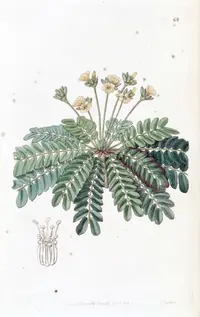
South Pacific palm, Biophytum umbraculum, is a small herbaceous plant that mimics the look of a miniature palm. It forms a tight rosette of finely divided leaves on a short, upright stem.
This species comes from tropical regions of Asia and the Pacific, where it grows in warm, humid, partially shaded habitats. It is relatively delicate and reacts quickly to changes in moisture and temperature, which can make it moderately challenging for beginners.
Light, evenly moist soil and stable warmth are important for anyone learning how to care for South Pacific palm as a foliage accent plant indoors or in sheltered spaces.

Care Difficulty
Moderate Care

Light Preference
Partial Shade

Water Requirements
Keep Soil Moist

Temperature Preference
Tropical / Frost Sensitive

Hardiness Zone
Unknown

Soil Texture
Loamy, Silty, Organic-rich

Soil pH
Acidic (5.5–6.5), Slightly acidic (6.5–7.0)

Soil Drainage
Moist but well-drained

Fertilization
Light (every 4–6 weeks)
Scan your plant to receive care tips personalized for your specific plant
Available on iOS and Android
This species prefers bright, gentle light that mimics filtered tropical sun conditions.
This plant prefers evenly moist, but not waterlogged, soil across the active growing season.
This tropical species grows best with consistently warm, stable temperatures.
This species prefers moderately high, stable humidity to mimic its tropical understory habitat.
This plant needs a loose, consistently moist but sharply draining substrate.
This small species is well suited to container growing.
This species benefits from light, controlled feeding during active growth but is sensitive to excess salts.
Biophytum umbraculum needs only minimal pruning to maintain a tidy, healthy rosette.
This compact species prefers slightly snug containers and only occasional repotting.
Biophytum umbraculum is most reliably propagated from fresh seed rather than vegetative methods.
This tropical plant is frost tender and needs warm, stable conditions through winter.

Plant Health Check
Not sure what's wrong with your plant? Check your plant's health inside the app.
This species performs strong nyctinastic movements, folding its leaflets downward at night and reopening them in the morning in response to changing light and internal circadian rhythms.
The plant uses a form of splash-cup seed dispersal, where raindrops hit the fruiting structures and physically eject the tiny seeds away from the parent plant.
Although not a true palm, this small herb forms a single rosette of finely divided leaves on a short stem, giving a miniature palm tree appearance that makes Biophytum umbraculum plant care appealing for collectors of unusual foliage plants.

In parts of tropical Africa and Asia, this species often appears as a short-lived pioneer plant in disturbed, open, and seasonally moist habitats, quickly colonizing bare soil before being shaded out as taller vegetation returns.
Yellowing leaves often result from overwatering, nutrient-poor substrate, or natural aging of the lowest leaves. Check that the pot drains well, reduce watering slightly, and provide a balanced, dilute fertilizer during active growth.
Keep your plants happy and healthy with plant identification, disease detection, and easy care guidance.

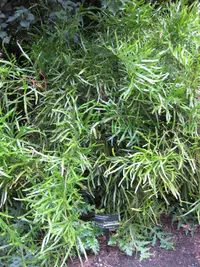
tapeworm plant
Muehlenbeckia platyclada
Peperomia macrostachyos
Peperomia macrostachyos
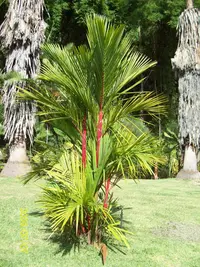
red sealing wax palm
Cyrtostachys renda
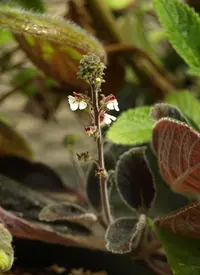
Gloxinia erinoides
Gloxinia erinoides
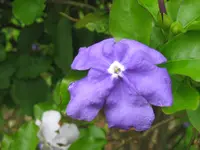
yesterday-today-tomorrow
Brunfelsia latifolia
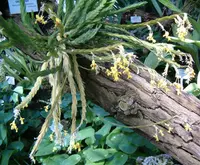
Lockhartia oerstedii
Lockhartia oerstedii
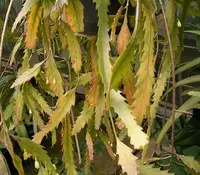
Snowdrop Cactus
Lepismium houlletianum
 POPULAR
Pygmy Date Palm
Phoenix roebelenii