Talisia hexaphylla Care

Talisia hexaphylla

About Talisia hexaphylla

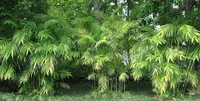
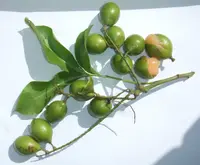
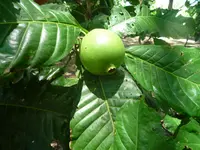
Talisia hexaphylla is a tropical tree from the soapberry family, valued mainly for its foliage and small, rounded fruits. It develops a dense crown with divided leaves that give it a fine, textured look.

This species occurs naturally in parts of Central and South America, typically in warm, humid lowland forests. In cultivation it tends to grow slowly and prefers stable warmth, which can limit its use to mild climates or protected spaces.

Gardeners who care for Talisia hexaphylla usually focus on providing consistent moisture, free-draining soil, and shelter from cold or strong drying winds.

Main Plant Requirements

Care Difficulty

Moderate Care

Light Preference

Partial Sun

Water Requirements

Moderate Water

Temperature Preference

Tropical / Frost Sensitive

Hardiness Zone

11–12

Soil Texture

Loamy, Sandy, Organic-rich

Soil pH

Acidic (5.5–6.5), Slightly acidic (6.5–7.0)

Soil Drainage

Moist but well-drained

Fertilization

Minimal (feed rarely)

Get Personalized Care Plan

Scan your plant to receive care tips personalized for your specific plant

Available on iOS and Android

How to Care for the Talisia hexaphylla

This species prefers bright, warm conditions similar to a subtropical woodland edge.

  • Provide 4–6 hours of direct morning sun with light afternoon shade; strong late-day sun in hot climates can scorch young foliage.
  • Talisia hexaphylla tolerates partial shade, but deep shade reduces flowering and fruit set; aim for bright, filtered light under taller trees if possible.
  • In summer, watch for leaf yellowing or crisp brown edges as signs of excess sun; in winter, avoid heavy shade from structures that block the low sun.

This tree prefers evenly moist, well-drained soil without prolonged drought or waterlogging.

  • Water when the top 3–5 cm of soil feels dry, using enough water to moisten the root zone but allowing excess to drain freely.
  • During hot, dry seasons, expect to water more often; in cooler or rainy periods, extend intervals and rely on soil feel rather than a fixed schedule.
  • Wilting, dull leaves, or dry, curling edges indicate underwatering, while soft, yellowing leaves and persistent soggy soil suggest poor drainage or excess water around Talisia hexaphylla roots.

This plant thrives in warm, frost-free climates typical of lowland tropics and subtropics.

  • Aim for an active growth range of 70–88°F (21–31°C), with stable warmth and moderate humidity for best shoot and root development.
  • Avoid temperatures below 40°F (4°C); light frost can damage young growth, and repeated exposure below 32°F (0°C) may kill branches or entire plants.
  • Mature trees tolerate brief heat up to about 95°F (35°C) if soil moisture is adequate, but extended hot, dry winds increase leaf scorch risk, especially in exposed sites.

This species benefits from moderately humid air but usually adapts to typical home conditions.

  • Aim for 50–60% humidity, especially for young or actively growing plants.
  • Dry indoor air may cause leaf edge browning and slight leaf curl as early signs of humidity stress.
  • Increase humidity with a nearby humidifier, grouped plants, or a pebble tray, while keeping foliage dry to limit disease.

Talisia hexaphylla prefers a deep, slightly acidic, well-drained loam that still retains some moisture.

  • Use a mix of roughly 50% loam or potting soil, 30–40% composted organic matter, and 10–20% coarse sand or fine gravel for structure.
  • Target pH around 6.0–6.8 to support nutrient uptake and reduce micronutrient lockout issues.
  • Ensure water drains within a few minutes after heavy watering; amend with coarse sand or fine bark if water lingers.
  • Avoid heavy clay, compacted sites, or constantly wet spots that promote root rot and poor aeration.

This tree can be grown in containers when young or kept somewhat compact, but needs careful pot management for long-term health.

  • Choose a tall, heavy container that resists tipping as the trunk thickens and canopy becomes top-heavy.
  • Select a pot slightly wider than the root mass to balance moisture retention with fast drainage in outdoor conditions.
  • Use an elevated pot stand or bricks under the container to keep drainage holes clear and prevent water pooling at the base.

This species benefits from light, balanced feeding in cultivation, especially when grown in containers.

  • Apply a balanced NPK fertilizer (such as 10-10-10) at 1/2 strength every 6–8 weeks during the warm growing season.
  • Use a slow-release granular fertilizer or a thin layer of well-rotted compost over the root zone, keeping it away from the trunk.
  • Reduce feeding to once in late winter or stop entirely where growth slows, to avoid soft, frost-sensitive shoots.
  • Water before and after applying fertilizer to limit root burn and support even nutrient uptake in Talisia hexaphylla.

Talisia hexaphylla benefits from light structural pruning to maintain a healthy canopy and safe size.

  • Carry out main pruning in late winter or very early spring, before vigorous new growth starts.
  • Remove dead, diseased, or crossing branches with clean, sharp bypass pruners or a pruning saw for thicker wood.
  • Thin crowded interior shoots to improve light penetration and air flow, which helps limit fungal issues.
  • Shorten excessively long branches to shape the crown, making cuts just above outward-facing buds or side branches.

This tree is usually grown in the ground, so focus on careful transplanting of young specimens rather than frequent repotting.

  • Transplant in late winter or early spring when growth is just about to resume, avoiding hot, dry periods.
  • Look for signs such as roots circling the pot, water running off quickly, or slowed growth in container-grown plants.
  • Move up only 1 pot size, loosen circling roots gently, and plant at the same soil level to limit stress.
  • Water deeply after transplanting, then keep soil evenly moist and shaded for 1–2 weeks while roots re-establish.

Propagation of Talisia hexaphylla is typically done from seed, with patience needed for germination and early growth.

  • Collect ripe seeds from healthy fruit, clean off pulp, and sow fresh for best viability.
  • Sow seeds in a deep tray or pots filled with a free-draining mix, such as 50% compost and 50% coarse sand or perlite.
  • Maintain warm conditions around 75–85°F and steady moisture, not waterlogging, to support germination.
  • Provide bright, indirect light and protect seedlings from harsh sun and wind until the root system is well developed.

This species prefers frost-free or very mild climates and benefits from basic winter protection in cooler regions.

  • Mulch the root zone with 5–8 cm of organic material, keeping mulch a few cm away from the trunk.
  • In areas with light frost, wrap young trunks with breathable fabric or burlap to reduce bark damage risk.
  • Move container-grown plants indoors or into a greenhouse before temperatures drop near freezing, ensuring bright light and reduced watering.

Care Tips

Early structural pruning

In the first 2–3 years, lightly tip-prune competing leaders and inward-facing branches at the end of winter to build a strong, open framework that can support future fruit loads.

Wind protection planning

Install a permeable windbreak such as shade cloth or a hedge on the windward side in exposed sites to reduce branch breakage and flower drop from strong, drying winds.

Mulch for root stability

Maintain a 5–8 cm ring of organic mulch around but not touching the trunk to keep roots cool, stabilize soil moisture, and reduce competition from turf around the root zone.

Frost event preparation

Before forecast cold snaps below the plant’s tolerance, water the root zone well, then cover young trees with frost cloth supported on stakes so the fabric does not rest directly on foliage.

Targeted fruit thinning

Once small fruit clusters set, remove some developing fruits in very dense clusters to reduce branch stress and improve average fruit size and quality when growing Talisia hexaphylla.

Common Pests and Diseases

Fruit-boring moths

This pest targets developing fruits, where larvae tunnel into the pulp and seeds, causing internal decay and premature fruit drop. Symptoms include small entry holes, frass (sawdust-like droppings), and damaged or hollow fruits.

Solution

Collect and destroy infested fruits promptly to break the life cycle, and remove plant debris under the canopy to reduce pupation sites. Encourage natural predators, use fruit bagging or fine mesh around clusters, and if needed apply a targeted Bacillus thuringiensis (Bt) spray to young larvae during flowering and early fruit set, following label directions carefully.

Scale insects

These insects attach to twigs, young branches, and sometimes leaves, sucking sap and weakening the tree. Symptoms include small dome-shaped bumps, sticky honeydew, and sooty mold growth on affected surfaces.

Solution

Prune and dispose of heavily infested twigs, then wash reachable areas with a strong but gentle stream of water to dislodge insects. For persistent populations, treat with horticultural oil or insecticidal soap, ensuring thorough coverage of stems and branch crotches during cooler parts of the day.

Leaf spot

This disease causes small to medium brown or purplish spots on leaf blades, sometimes with yellow halos and premature leaf drop in humid conditions. Symptoms include thinning foliage on inner branches where air circulation is poorest.

Solution

Remove and discard fallen and heavily spotted leaves to reduce fungal spores, and thin nearby vegetation to improve airflow around the canopy. In areas with repeated outbreaks, a preventive copper or chlorothalonil fungicide can be applied at the start of the rainy season, following local guidelines and label instructions.

Anthracnose

This disease produces irregular dark lesions on young leaves, shoots, and sometimes fruit stalks, leading to leaf distortion and twig dieback in wet, shaded conditions. Symptoms include blighted shoot tips and patchy canopy growth on affected trees.

Solution

Prune out and discard blighted shoots, cutting 10–15 cm below visible damage, and avoid overhead irrigation that keeps foliage wet for long periods. In regions where anthracnose is common on sapindaceous fruit trees, integrated Talisia hexaphylla care instructions often include early-season copper-based sprays and strict sanitation around the planting area.

Mealybugs

These insects form white, cottony clusters on leaf axils, new shoots, and fruit stalks, feeding on sap and excreting honeydew. Symptoms include distorted new growth, sticky leaves, and black sooty mold on surfaces below the colonies.

Solution

Wipe small colonies with cotton pads dipped in alcohol, and rinse foliage with water to remove residues and honeydew. For larger infestations, apply insecticidal soap or horticultural oil, targeting hidden sites in leaf axils and branch junctions and repeating as needed based on reinfestation and label guidance.

Interesting Facts

Six‑leaflet compound foliage

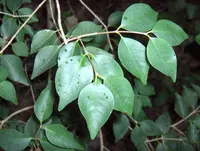
This species typically bears leaves divided into 6 distinct leaflets per leaf, a trait reflected in its name hexaphylla, which means six-leaved in Latin-derived botanical terminology.

Native to northern South America

It is naturally distributed in parts of northern South America, often occurring in lowland tropical forests where it grows as a small to medium tree in warm, humid conditions.

Member of the soapberry family

This species belongs to the Sapindaceae, the same plant family that includes lychee, longan, and several other tropical fruit trees, indicating close evolutionary relationships within this group.

FAQs about Talisia hexaphylla

This species grows at a moderate rate, often adding 30–60 cm of height per year in warm, frost-free climates. Growth slows in cooler regions, poor soil, or when exposed to chronic wind or drought stress.

Grow Healthy Plants with Botan Care

Keep your plants happy and healthy with plant identification, disease detection, and easy care guidance.

Botan plant care app — identify plants on mobile

Explore More Plants