Coastal red milkwood Care (Mimusops caffra)

Also known as: Shore Milkwood
Coastal red milkwood

About Coastal red milkwood

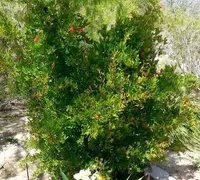
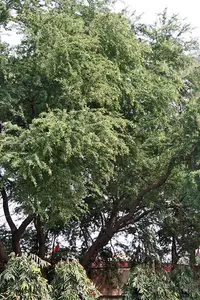
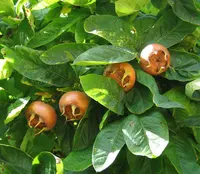
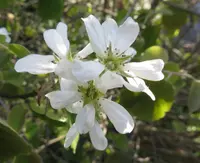
Coastal red milkwood, Mimusops caffra, is a dense, evergreen tree or large shrub native to coastal dunes and forests of southern Africa. It is noted for its leathery, glossy green leaves and neat, rounded canopy. Small, fragrant white flowers are followed by fleshy orange-red fruits that attract wildlife in suitable climates. Growth is naturally compact and wind-tolerant, which makes it useful as a shelter or screen plant in coastal gardens. It prefers sun to light shade, well-drained sandy soil, and moderate moisture. Gardeners who want to care for Coastal red milkwood should be prepared to provide a mild, frost-free environment.

Main Plant Requirements

Care Difficulty

Moderate Care

Light Preference

Full Sun

Water Requirements

Moderate Water

Temperature Preference

Tropical / Frost Sensitive

Hardiness Zone

10–11

Soil Texture

Sandy, Loamy, Organic-rich

Soil pH

Acidic (5.5–6.5), Slightly acidic (6.5–7.0)

Soil Drainage

Well-drained

Fertilization

Minimal (feed rarely)

Get Personalized Care Plan

Scan your plant to receive care tips personalized for your specific plant

Available on iOS and Android

How to Care for the Coastal red milkwood

This coastal evergreen prefers bright conditions with some protection from harsh extremes.

  • Provide 6–8 hours of direct sun daily, ideally with morning sun and light afternoon shade, especially in hotter inland sites.
  • Young Coastal red milkwood plants benefit from partial shade (filtered light or 3–4 hours direct sun) to reduce leaf scorch while roots establish.
  • In dense shade growth becomes sparse and leggy; in very intense, all‑day sun leaves may yellow or scorch, so adjust by adding light afternoon shade.

This species prefers evenly moist but not saturated soil once established.

  • Allow the top 3–5 cm of soil to dry before deep watering, ensuring water reaches the root zone rather than frequent shallow sprinkling.
  • In spring and summer, water more often during dry spells; in fall and winter, reduce frequency but prevent the soil from staying bone dry for long periods.
  • Yellowing, soft leaves and persistent wet soil indicate overwatering and poor drainage, while dull, curling leaves and dry, hard soil suggest underwatering for Mimusops caffra.

This coastal tree thrives in mild, frost‑free climates with warm summers.

  • Aim for optimal growth around 65–80°F (18–27°C), where steady warmth supports active shoot and root development.
  • Protect from frost, as damage often occurs below 30–32°F (-1–0°C); young plants are more vulnerable and should be covered or sheltered during cold snaps.
  • Mature trees tolerate brief heat up to about 95°F (35°C) if soil moisture is maintained, but prolonged extreme heat with dry winds can cause leaf scorch and tip dieback.

This coastal species handles a wide humidity range but benefits from moderate ambient moisture.

  • Aim for 40–60% humidity; it tolerates brief dips lower without major stress.
  • Dry indoor air can cause leaf tip browning and slowed growth in Coastal red milkwood.
  • Increase humidity locally with a pebble tray under the pot or group plants together away from strong drafts.

Mimusops caffra prefers fast-draining, sandy to loamy soil that does not stay waterlogged.

  • Use a mix of 50–60% sandy or loamy topsoil with 20–30% coarse sand and 10–20% compost for structure and nutrients.
  • Ensure sharp drainage; add perlite or fine gravel if water takes longer than a few minutes to drain through.
  • Keep pH slightly acidic to neutral, around 6.0–7.5, and avoid strongly alkaline mixes that can limit nutrient uptake.
  • Do not use heavy clay-based mixes or those rich in peat alone, as they compact and restrict root aeration.

This species can grow in containers when provided with a deep, stable pot and very free drainage.

  • Choose a tall, heavy container to balance the eventual woody canopy and reduce tipping in wind-exposed spots.
  • Leave a generous drainage layer above the pot base so roots sit in mix, not directly in any collected moisture zone.
  • Select thicker-walled pots (ceramic, concrete, or double-walled plastic) in hot regions to buffer root zone temperature swings.

Mimusops caffra benefits from modest feeding when grown in gardens or containers, though established trees on good soil need little extra nutrition.

  • Apply a balanced slow-release fertilizer or rich compost in spring at the start of active growth.
  • Feed container-grown Coastal red milkwood every 6–8 weeks in spring–summer with a diluted balanced liquid fertilizer at 1/2 strength.
  • Avoid fertilizing in late fall and winter to prevent soft, frost-tender growth.
  • Water before and after feeding to limit root burn and improve nutrient uptake.

Pruning Mimusops caffra is mainly done for structure, safety, and light management rather than heavy size control.

  • Carry out light pruning in late winter or early spring, before strong new growth starts.
  • Remove dead, diseased, crossing, or storm-damaged branches with clean, sharp bypass pruners or a pruning saw.
  • Thin congested inner shoots to improve airflow and light penetration, maintaining a strong central framework.
  • Limit cuts to smaller branches where possible to reduce stress and promote healthy wound closure.

This coastal evergreen is usually grown in the ground, so focus on careful transplanting and limited container up-potting for young plants.

  • Transplant or move container plants in late winter to early spring, when temperatures are mild and growth is just resuming.
  • Look for roots circling the pot drainage holes, soil drying very fast, or slowed growth as signs a potted plant needs a larger container.
  • Shift to a container 1–2 sizes larger using a free-draining, sandy mix, keeping the root ball at the same soil level.
  • Reduce root stress by watering thoroughly before and after moving, handling the root ball gently, and shading for 1–2 weeks if conditions are hot or windy.

Mimusops caffra is usually propagated from seed, with vegetative methods used less often and requiring more skill.

  • Collect ripe seeds at the end of the fruiting season and clean off any remaining pulp to reduce fungal issues.
  • Sow in a free-draining, sandy mix, keep at 68–77°F, and maintain steady moisture without waterlogging for best germination.
  • Semi-hardwood cuttings taken in late summer can root under high humidity with bottom heat and a rooting hormone, though success rates vary.
  • Provide bright, indirect light and avoid large swings in temperature or moisture while seedlings or cuttings establish strong root systems.

This coastal evergreen tolerates mild frost but benefits from some winter protection in colder or exposed locations.

  • In regions below about 25°F, young or potted plants are at risk of cold damage and need extra care.
  • Apply a 5–8 cm layer of organic mulch around the root zone, keeping it just clear of the trunk base.
  • Move container plants to a bright, sheltered porch or unheated greenhouse during hard freezes, avoiding waterlogged soil.

Care Tips

Early crown training

In the first 3–5 years, select 3–5 well-spaced main branches and lightly prune or remove competing uprights to build a strong, open crown that resists wind damage as the tree matures.

Wind and salt acclimation

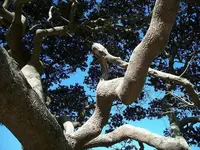
When planting in coastal locations, gradually expose young plants to stronger wind and salt spray over a few months using temporary windbreaks such as shade cloth or fencing, removing protection in stages as the trunk thickens.

Deep root encouragement

Use less frequent but deep irrigation and avoid cultivating the soil close to the trunk so the plant develops a deep, stable root system that anchors it in sandy or loose soils.

Fruit and seed management

If fruit drop is heavy, place a mulch ring or groundcover beneath the canopy to make collection easier and reduce slipping hazards, and remove fallen fruit promptly to discourage rodents and insect pests.

Salt and sand maintenance

In exposed beachfront gardens, occasionally hose down foliage and branches with fresh water to remove accumulated salt and sand, which helps reduce leaf burn and keeps stomata, the tiny leaf pores, functioning efficiently when growing Coastal red milkwood.

Common Pests and Diseases

Scale insects

This pest feeds on stems and leaf undersides, causing yellowing, leaf drop, and sticky honeydew that can attract sooty mold. Infestations are often noticed as small, dome-shaped brown or gray bumps along young twigs.

Solution

Prune heavily infested twigs and dispose of them. For remaining insects, wipe stems and leaves with a cloth dipped in diluted insecticidal soap or horticultural oil, and repeat every 7–10 days until new growth remains clean; reduce plant stress by avoiding drought and severe pruning when managing scale as part of overall Mimusops caffra care.

Red spider mites

These insects are tiny sap-sucking mites that thrive in hot, dry conditions, causing fine stippling, a dull gray-green look to leaves, and light webbing between leaf veins. Symptoms include gradual leaf drop on stressed or container-grown plants.

Solution

Spray foliage thoroughly with a strong stream of water to dislodge mites, focusing on leaf undersides, then apply insecticidal soap or a light horticultural oil and repeat at 5–7 day intervals. Increase ambient humidity around container plants and avoid prolonged drought, since dry, dusty foliage favors mite buildup.

Leaf spot

This disease shows as small brown, purple, or tan spots on leaves, sometimes with a yellow halo, which may merge into larger blotches on older foliage. Symptoms include premature leaf drop on dense, shaded or poorly ventilated specimens.

Solution

Remove and discard affected leaves and any fallen debris to reduce the source of infection. Improve airflow by thinning dense branches, avoid overhead watering, and if spotting continues in wet seasons, apply a copper-based fungicide following label directions, targeting young expanding foliage.

Sooty mold

This disease appears as a black, soot-like coating on leaves and stems that grows on honeydew excreted by sap-sucking insects such as scale or aphids. Symptoms include reduced photosynthesis and a dull, dirty appearance, but underlying tissues are not directly invaded by the fungus.

Solution

First control the honeydew-producing insects using pruning and insecticidal soap or horticultural oil. Once pests are reduced, gently wash affected leaves with lukewarm water and a mild soap solution or allow rain to gradually remove the mold, and avoid excessive nitrogen fertilization that encourages soft, pest-prone growth.

Interesting Facts

Coastal dune stabilizer

This evergreen tree naturally anchors foredunes along the southeastern African coast, with its dense root system helping trap and hold shifting beach sands.

Salt-laden wind tolerance

Leaves have a thick, leathery texture that reduces water loss and allows the tree to withstand strong, salt-laden winds directly facing the ocean.

Key food for wildlife

The fleshy red fruits are an important food source for coastal birds and small mammals, which, in turn, disperse the seeds inland from the shore.

Botan icon

Did you know?

This species often forms low, wind-sculpted, impenetrable thickets on exposed seafronts, creating natural barriers that protect inland vegetation from salt spray and sandblast.

FAQs about Coastal red milkwood

Growth is moderate. In suitable coastal or near-coastal conditions, young plants may add about 20–40 cm of height per year, slowing as they mature. Container culture and cooler, drier sites usually reduce this rate significantly.

Grow Healthy Plants with Botan Care

Keep your plants happy and healthy with plant identification, disease detection, and easy care guidance.

Botan plant care app — identify plants on mobile

Explore More Plants