papaya Care (Carica papaya)

Also known as: Pawpaw
papaya

About papaya

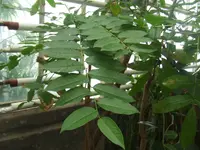
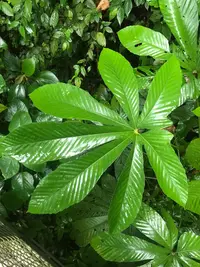
Papaya, Carica papaya, is a fast-growing tropical fruit tree often grown as a soft-wooded, palm-like shrub. It has a single, hollow trunk topped with large, deeply cut leaves and clusters of heavy, oval fruits along the stem.

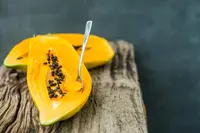
The species is native to tropical America but is now cultivated in many warm regions worldwide for its sweet, orange flesh and edible black seeds. It grows quickly but is short-lived, and its sensitivity to cold and root problems can make it challenging outside true tropical or frost-free climates.

It prefers full sun, warmth, well-drained soil, and steady moisture, so successful growers learn how to care for papaya with attention to drainage and temperature protection.

Main Plant Requirements

Care Difficulty

Moderate Care

Light Preference

Full Sun

Water Requirements

Regular Water

Temperature Preference

Tropical / Frost Sensitive

Hardiness Zone

10–12

Soil Texture

Sandy, Loamy, Organic-rich

Soil pH

Acidic (5.5–6.5), Slightly acidic (6.5–7.0)

Soil Drainage

Moist but well-drained

Fertilization

Moderate (every 2–4 weeks)

Get Personalized Care Plan

Scan your plant to receive care tips personalized for your specific plant

Available on iOS and Android

How to Care for the papaya

This tropical fruit tree needs strong, consistent light to produce healthy growth and fruit.

  • Provide 6–8 hours of direct sun daily, ideally with morning sun and light afternoon shade in very hot climates.
  • In regions with intense summer sun, use filtered light or partial shade during 1–4 p.m. to reduce leaf scorch and sunburn on fruit.
  • In cooler seasons, maximize exposure by avoiding shade from buildings or trees; long, weak stems and small leaves indicate insufficient light.

This fast-growing tree requires steadily moist but not saturated soil to support rapid growth.

  • Water when the top 3–5 cm of soil feels dry, applying a deep soak that reaches the root zone rather than frequent light splashes.
  • Ensure very fast drainage with sandy or loamy soil; yellowing, soft stems and a sour smell indicate overwatering and potential root rot.
  • In hot, dry periods increase watering frequency, while in cool or rainy seasons allow longer drying intervals; drooping, dull leaves signal underwatering in Carica papaya.

This species performs best in warm, stable conditions and reacts quickly to cold stress.

  • Aim for 70–90°F (21–32°C) for active growth; fruit set and development are most reliable within this range.
  • Protect from temperatures below 55°F (13°C); growth slows sharply under 60°F (16°C) and tissue damage can occur near 40°F (4°C).
  • Papaya is highly frost-sensitive; brief exposure to 32°F (0°C) can kill young trees, while prolonged heat above 100°F (38°C) may cause flower drop and sunscald without extra shade and water.

This species prefers moderately humid air and may react to very dry indoor conditions.

  • Aim for 50–70% relative humidity, which suits both growth and fruit set.
  • Dry air can cause leaf edge browning, curled young leaves, and slower growth, especially in heated rooms.
  • Increase humidity by grouping plants, placing trays with water and pebbles nearby, or using a small humidifier rather than misting leaves heavily.

Carica papaya grows best in loose, fast-draining, nutrient-rich soil that does not stay waterlogged.

  • Use a sandy loam with 30–40% coarse materials such as sand or perlite plus well-rotted compost for organic matter.
  • Maintain slightly acidic to neutral pH around 6.0–7.0 to support nutrient availability and stable growth.
  • Improve aeration by avoiding compaction, mixing in chunky materials like pine bark fines, and keeping the mix crumbly.
  • Avoid heavy clay, peat-only mixes, or sites where water stands longer than 20–30 minutes after watering or rain.

This species can be grown in containers, but it needs careful management to support its tall, top-heavy form.

  • Choose a deep, wide, heavy container that resists tipping and provides room for a strong, anchoring root system.
  • Select a pot material such as thick plastic or glazed ceramic that helps retain moisture but still allows a fast-draining mix to work effectively.
  • Position the container where wind exposure is limited or add discreet anchoring to prevent the tall trunk from rocking and destabilizing roots.

Nutrient-hungry papaya responds well to consistent but moderate feeding during warm, active growth.

  • Use a balanced fertilizer (such as 10-10-10 or 14-14-14) or well-rotted compost around the drip line.
  • Feed every 4–6 weeks in spring and summer; apply to moist soil to avoid root burn.
  • Dilute liquid fertilizer to 1/2 strength for young plants and container specimens.
  • Reduce or stop feeding in late fall and winter when growth slows, especially in cooler climates.

Thoughtful pruning helps Carica papaya maintain a manageable height and healthier canopy.

  • Carry out structural pruning in late winter or early spring before vigorous new growth begins.
  • Remove dead, diseased, storm-damaged, or crossing branches using clean, sharp pruners or a small saw.
  • Head back the top to encourage a shorter, branching form and easier fruit harvest where climate permits.
  • Avoid heavy cuts into the main trunk; make clean angled cuts just above buds or side shoots.

Fast-growing papaya is usually transplanted into the ground rather than kept long term in containers.

  • Transplant when seedlings are 20–30 cm tall and before roots circle the pot or growth slows.
  • Choose late spring or early summer, once soil is warm and frost risk has passed.
  • Move plants with a full, undisturbed root ball, handling the delicate taproot gently to limit shock.
  • Plant at the same depth in well-drained soil, water thoroughly, then shade lightly for several days.

New Carica papaya plants are most commonly raised from fresh, viable seed.

  • Sow seeds in late spring or early summer when temperatures stay above 70°F.
  • Clean seeds, then surface-sow in a light, well-drained mix and keep evenly moist, not waterlogged.
  • Maintain 75–85°F and bright light for germination, which often takes 2–4 weeks.
  • Thin or transplant seedlings once they have 2–3 true leaves, retaining several to ensure female or bisexual plants.

Cold-sensitive papaya needs careful winter protection in climates with frost or prolonged cool periods.

  • Papaya suffers damage below about 32°F; prolonged exposure near freezing can kill stems and crowns.
  • In-ground plants benefit from 5–10 cm of organic mulch over the root zone, kept slightly away from the trunk.
  • Wrap trunks with frost cloth or breathable insulation during cold snaps to reduce tissue damage.
  • Move container plants indoors or into a heated greenhouse, providing bright light and reduced watering.

Care Tips

Wind-resistant staking

Install 2–3 sturdy stakes around the trunk and secure it with soft, wide ties in a loose figure-eight pattern to prevent wind snap without cutting into the soft tissues.

Root-zone mulching

Apply a 5–8 cm layer of coarse organic mulch starting 10–15 cm away from the trunk to stabilize soil moisture, reduce weed competition, and keep shallow feeder roots protected.

Fruit load thinning

Remove misshapen, crowded, or very small young fruits so the plant can direct energy into fewer, higher-quality papayas that size up and ripen more uniformly.

Cold event protection

Before forecasted temperatures below 40°F, wrap the trunk with breathable frost cloth and use temporary covers over the canopy to reduce cold damage to the growing point.

Soil salinity management

In areas with hard or salty irrigation water, periodically leach the root zone by watering deeply until excess water drains freely to flush accumulated salts that can burn papaya roots and leaf margins when growing papaya.

Common Pests and Diseases

Papaya ringspot virus

This disease causes distinctive yellow mottling and dark green rings or mosaic patterns on leaves and fruits, often with stunted growth and deformed plants.

Solution

Remove and destroy infected plants promptly to limit spread, control aphid populations that transmit the virus using insecticidal soap or oil, and avoid planting papaya near cucurbit crops like squash or cucumbers that can harbor the virus.

Papaya mealybugs

These insects form white, cottony clusters on stems, leaf undersides, and fruit, sucking sap and causing leaf yellowing, distortion, and sticky honeydew that can lead to sooty mold.

Solution

Prune and discard heavily infested plant parts, wash colonies off with a strong stream of water, and use repeated applications of horticultural oil or insecticidal soap, ensuring thorough coverage of leaf undersides and stem crevices.

Papaya fruit fly

This pest lays eggs in young fruit, and the developing maggots tunnel through the pulp, causing internal rotting, premature fruit drop, and unmarketable fruit.

Solution

Collect and destroy infested and fallen fruit, use fruit bagging or fine mesh netting to physically exclude flies, and place species-appropriate traps around the planting area to monitor and reduce adult populations.

Phytophthora stem and fruit rot

This disease causes dark, water-soaked lesions on the lower stem and fruit, which quickly become soft, sunken, and may be covered with white fungal growth in humid conditions.

Solution

Improve soil drainage, avoid water pooling around the trunk, remove infected fruits and affected stem sections if limited, and apply an appropriate phosphonate or copper-based fungicide as a preventive measure during prolonged wet periods.

Anthracnose

This disease produces small, sunken, dark spots on ripening fruit that enlarge and may ooze, often starting after harvest, and can also cause leaf spots under humid conditions.

Solution

Harvest fruit carefully to avoid injury, remove and discard infected fruit, increase spacing and airflow, avoid overhead watering, and apply a labeled copper or biofungicide preventively when conditions are warm and humid to support proper Carica papaya care instructions.

Interesting Facts

Unique trioecious system

Papaya is one of the best-known trioecious crops, meaning there are separate male, female, and hermaphrodite plants, and the flower type strongly influences fruit shape and yield in cultivation.

Latex-filled green fruit

Unripe papaya fruit and leaves contain a milky latex rich in proteolytic enzymes such as papain and chymopapain, which break down proteins and are widely used in food processing and biochemical research.

Rapid tree-like herb

Although it looks like a small tree, papaya is a giant, fast-growing herbaceous plant with a hollow, soft stem that can start fruiting within 6–12 months under optimal tropical conditions.

Botan icon

Did you know?

The modern global spread of papaya began rapidly after the 16th century, when Spanish and Portuguese sailors moved it from its native tropical Americas to Asia, Africa, and the Pacific, turning it into a pan-tropical crop within only a few centuries.

FAQs about papaya

Yellowing leaves often result from natural aging of the lowest leaves, nutrient deficiency (especially nitrogen or magnesium), root stress, or cool temperatures. Check drainage, avoid waterlogged soil, and use a balanced fertilizer to correct deficiencies.

Grow Healthy Plants with Botan Care

Keep your plants happy and healthy with plant identification, disease detection, and easy care guidance.

Botan plant care app — identify plants on mobile

Explore More Plants