Wind-form training
In windy sites, stake young trees loosely and prune to a broad, low framework so the canopy flexes rather than snaps, which greatly reduces storm breakage as the tree matures.

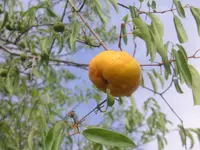
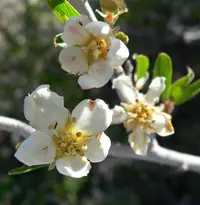
Ubajay, Eugenia myrcianthes, is a small to medium fruiting tree in the myrtle family, grown for its sweet, aromatic yellow-orange berries. It typically forms a dense, rounded crown with leathery green leaves and white, fragrant flowers that attract pollinators.
This species is native to subtropical regions of South America, especially Paraguay, northern Argentina, Uruguay, and southern Brazil. In suitable climates it can be used as a fruit tree, ornamental, or informal hedge.
The plant is generally robust and adaptable, which makes it fairly manageable for growers who want to learn how to care for ubajay. It prefers sun, moderate moisture, and well-drained soil, and tolerates light frost once established.

Care Difficulty
Moderate Care

Light Preference
Full Sun

Water Requirements
Moderate Water

Temperature Preference
Warm Climate

Hardiness Zone
9–11

Soil Texture
Sandy, Loamy, Organic-rich

Soil pH
Acidic (5.5–6.5), Slightly acidic (6.5–7.0)

Soil Drainage
Well-drained

Fertilization
Minimal (feed rarely)
Scan your plant to receive care tips personalized for your specific plant
Available on iOS and Android
This species prefers bright outdoor conditions with protection from extreme midday exposure.
This plant prefers evenly moist, well-drained soil that never stays waterlogged for long periods.
This species is moderately hardy but grows best in warm, frost-free conditions.
This species prefers moderate humidity but copes with typical indoor levels if watering is consistent.
This species grows best in deep, well-structured, consistently moist but free-draining soil.
This species adapts well to container growing when root space and drainage are carefully managed.
This fruiting tree benefits from moderate feeding to support steady growth and crops, especially when grown as ubajay in containers or poor soil.
Thoughtful pruning keeps Eugenia myrcianthes healthy, strong, and easier to harvest.
This species is usually grown in the ground, so focus on careful transplanting rather than frequent repotting.
New Eugenia myrcianthes plants are most often raised from seed, with semi-hardwood cuttings as a secondary method.
Mature plants are reasonably cold tolerant but young Eugenia myrcianthes benefit from simple winter precautions in colder regions.

Plant Health Check
Not sure what's wrong with your plant? Check your plant's health inside the app.
This species occurs naturally along riverbanks and gallery forests in southern Brazil, Paraguay, Uruguay, and northern Argentina, where it tolerates periodic flooding yet also copes with drier periods once established.
The tree produces yellow to orange, plum-sized berries with a sweet-aromatic pulp that are eaten fresh and used locally in juices, jams, and desserts, attracting both people and wildlife.
Unlike many tropical myrtle relatives, this species can tolerate brief light frosts and cooler subtropical climates, which has led to interest in trialing it as a fruit tree in mild temperate regions.
The fruit is edible, with sweet to mildly acidic pulp often eaten fresh, in jams, or juices. The skin can be astringent. As with any wild-type fruit, introduce gradually in small amounts to check individual tolerance.
Keep your plants happy and healthy with plant identification, disease detection, and easy care guidance.