Young tree staking
Stake young trees for the first 2–3 years in windy sites using 2 low stakes and soft, wide ties, keeping the trunk able to flex slightly so the root system anchors well without rubbing damage to the bark.

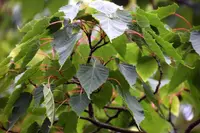
Kawakami maple, Acer caudatifolium, is a small to medium deciduous tree valued for its fine, delicate foliage and graceful branching. It often develops a light, airy canopy rather than a dense crown.
This species is native to the higher, cooler regions of Taiwan, where it grows in mountain forests and along slopes. In gardens, it is usually appreciated for its seasonal color and elegant form.
Kawakami maple is considered moderately easy to grow if given cool to mild conditions, good drainage, and protection from extreme heat or drying winds. Understanding how to care for Kawakami Maple starts with providing light, moist but not waterlogged soil and shelter from harsh afternoon sun.

Care Difficulty
Moderate Care

Light Preference
Partial Shade

Water Requirements
Moderate Water

Temperature Preference
Cool Climate

Hardiness Zone
7–9

Soil Texture
Loamy, Sandy, Organic-rich

Soil pH
Acidic (5.5–6.5), Slightly acidic (6.5–7.0)

Soil Drainage
Moist but well-drained

Fertilization
Minimal (feed rarely)
Scan your plant to receive care tips personalized for your specific plant
Available on iOS and Android
This maple prefers bright, gentle light with some protection from harsh midday sun.
This species prefers evenly moist, well-drained soil rather than frequent shallow watering.
This maple grows best in mild climates with cool winters and moderate summers.
This maple prefers moderate to moderately high humidity and only short spells of dry air.
Acer caudatifolium grows best in moist, well-aerated, humus-rich soil with reliable drainage.
This species can adapt to container growing for many years if the pot is chosen and managed carefully.
Acer caudatifolium grows best in moderately fertile, well-structured soil and usually needs only light feeding.
Acer caudatifolium benefits from light, targeted pruning to maintain structure and plant health.
This maple is usually grown in the ground, so transplanting timing and technique matter more than frequent repotting.
Acer caudatifolium is most often propagated by seed or grafting, which can be slow and requires patience.
This maple is reasonably cold hardy in many temperate regions and usually needs only modest winter care.

Plant Health Check
Not sure what's wrong with your plant? Check your plant's health inside the app.
This species is native to moist, montane forests of Taiwan, typically occurring at higher elevations where it often grows in cool, foggy conditions along forest edges and clearings.
Its leaves have narrow, elongated lobes that give the blade a tail-like appearance, which is reflected in the species name caudatifolium, meaning tailed leaf.
Flowering often occurs in late winter to early spring on bare or nearly bare branches, so the small yellowish flowers appear before or just as the new foliage unfolds.

In its native range this maple is considered a rare and localized species, with many natural populations occurring in restricted mountain areas that are sensitive to habitat disturbance.
Leaf browning often results from dry soil, hot drying winds, or excess fertilizer salts at the root zone. Check moisture with your finger, water deeply but not constantly, provide wind protection, and flush the soil if overfertilized.
Keep your plants happy and healthy with plant identification, disease detection, and easy care guidance.