Southern Sassafras Care (Atherosperma moschatum)

Also known as: Blackheart Sassafras, sassafras
Southern Sassafras

About Southern Sassafras

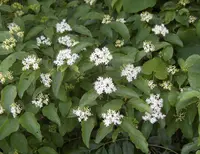
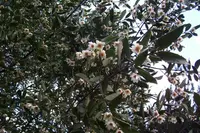
Southern sassafras, Atherosperma moschatum, is an evergreen tree native to cool temperate rainforests of southeastern Australia and Tasmania. It is usually grown as a small ornamental tree in gardens. The plant has aromatic foliage, pale bark, and dense, glossy leaves that give it a refined, layered canopy. In late winter to spring it produces small, pale, star-like flowers with a light, spicy fragrance. It prefers cool conditions, consistent moisture, and humus-rich, well-drained soil, which can make it more challenging in hot or dry climates. Gardeners who learn how to care for Southern Sassafras usually focus on providing shelter from heat and drying winds.

Main Plant Requirements

Care Difficulty

Hard Care

Light Preference

Partial Shade

Water Requirements

Keep Soil Moist

Temperature Preference

Cool Climate

Hardiness Zone

8–10

Soil Texture

Loamy, Silty, Organic-rich

Soil pH

Strongly acidic (4.5–5.5), Acidic (5.5–6.5)

Soil Drainage

Moist but well-drained

Fertilization

Minimal (feed rarely)

Get Personalized Care Plan

Scan your plant to receive care tips personalized for your specific plant

Available on iOS and Android

How to Care for the Southern Sassafras

This cool-climate rainforest tree prefers low to moderate light intensity rather than direct, exposed sun.

  • Provide bright filtered light or light dappled shade, ideally 2–4 hours of gentle morning sun with shade or high overstory cover for the rest of the day.
  • Tolerates deep shade but growth becomes sparse in less than 2 hours of indirect light; prolonged harsh afternoon sun can scorch foliage and dry the soil too fast.
  • In hotter summers, protect Southern Sassafras with extra shade cloth or companion canopy trees, especially during 11 am–4 pm high-angle sun exposure.

Atherosperma moschatum prefers consistently moist, cool soil that never becomes waterlogged or completely dry.

  • Maintain evenly moist soil by watering when the top 2–3 cm feels just slightly dry, allowing deeper layers to stay damp but not saturated.
  • Increase watering in warm, windy periods when evaporation is high; in cool or rainy seasons, rely more on natural rainfall and pause supplemental water when soil stays moist for several days.
  • Watch for yellowing, soft leaves and sour-smelling soil as signs of overwatering, and for dull, curling, or browning leaf edges as indicators of underwatering or prolonged dryness.

This species is adapted to cool, moist forests and prefers stable, mild temperatures without extremes.

  • Aim for cool growing conditions around 50–68°F (10–20°C), where growth and leaf quality remain most stable through the year.
  • Mature trees can tolerate brief drops near 23°F (-5°C), but young plants are safer above 28°F (-2°C) and benefit from frost cloth or sheltered planting sites.
  • Prolonged heat above 86°F (30°C) stresses the plant; provide shade, mulch, and reliable soil moisture during heatwaves and avoid hot, exposed slopes or west-facing walls.

This cool-climate rainforest tree prefers consistently moist air and reacts to prolonged dryness.

  • Aim for 60–80% humidity, mimicking sheltered, misty forest conditions for Southern Sassafras.
  • In dry indoor air or hot winds, leaves may curl, brown at edges, or drop prematurely from humidity stress.
  • Increase humidity outdoors with windbreaks and understorey planting, or indoors by grouping plants, using a humidifier, or placing pots on pebble trays with water.

This species performs best in deep, moist, well-aerated soil that mimics cool, forest conditions.

  • Use a loose, loamy mix rich in organic matter, combining composted bark, leaf mould, and coarse sand or perlite for structure.
  • Ensure steady drainage that prevents standing water but retains moisture, as Atherosperma moschatum dislikes both waterlogging and droughty sand.
  • Aim for slightly acidic soil, roughly pH 5.5–6.5, avoiding limed or strongly alkaline sites that limit nutrient uptake.
  • Improve aeration and root health by incorporating chunky organic particles and avoiding heavy, compacted clay or pure fine potting mixes.

This tree can be grown in containers only for the short to medium term, mainly as a juvenile specimen.

  • Choose a tall, heavy container to anchor the plant, as vertical growth and wind exposure can make it top-heavy.
  • Use a deep pot that allows a developing taproot and lateral roots to extend without circling tightly.
  • Position the container in partial shade against a wall or other support to reduce wind rock and moisture loss from exposed sides.

This cool-climate tree grows slowly and usually needs only light feeding in cultivation.

  • Use a balanced, slow-release fertilizer (for example 10-10-10) or a thin layer of well-rotted compost on the root zone in early spring.
  • Feed container-grown Southern Sassafras every 6–8 weeks in spring–summer at half the label strength.
  • Avoid fertilizing in late fall–winter to prevent soft, frost-tender growth.
  • Water thoroughly after feeding to reduce root burn and help nutrients move into the soil.

Atherosperma moschatum typically forms a natural shape and needs only light structural pruning.

  • Carry out any pruning in late winter to early spring, before active growth starts.
  • Remove dead, diseased, crossing, or storm-damaged branches first to maintain plant health.
  • Thin congested interior shoots slightly to improve light penetration without over-opening the canopy.
  • Use clean, sharp bypass pruners or a pruning saw, making smooth cuts just outside the branch collar.

This species is usually grown in the ground, so focus on careful transplanting of young trees.

  • Transplant in late winter–early spring when the tree is dormant and soil is workable.
  • Look for slowed growth, poor vigor, or roots circling the pot as signs that a nursery plant needs a larger site or container.
  • Move up only 1 pot size or plant into a prepared, humus-rich, well-drained bed, keeping the root flare at soil level.
  • Water deeply after planting, then keep soil evenly moist and shaded around the root zone to limit transplant shock.

Propagation of this tree is possible but somewhat specialized and slow.

  • Sow fresh seeds in fall using a cold frame or cool, sheltered spot, as natural winter chilling improves germination.
  • Use a free-draining, slightly acidic seed mix and keep it evenly moist, not waterlogged.
  • Semi-hardwood cuttings taken in late summer can root under high humidity and bottom warmth, though success rates may be low.
  • Label young plants carefully and grow them on in containers for 1–2 years before planting out.

This cool-temperate evergreen is moderately frost tolerant but benefits from some winter root protection in colder areas.

  • In regions colder than its normal range, add a 5–8 cm layer of organic mulch around the root zone, keeping mulch off the trunk.
  • Shelter young trees from drying winter winds using temporary windbreaks if the site is very exposed.
  • Move container-grown plants into a frost-free, bright, unheated space when temperatures are forecast below about 25°F.

Care Tips

Shelter From Wind

Site the tree where taller shrubs or woodland provide windbreak protection, as persistent strong winds dry the foliage and can distort young growth.

Understory Companions

Plant it among other moisture-loving, shade-tolerant shrubs and trees to help maintain a cool, stable microclimate around the roots and reduce moisture loss from the soil surface.

Mulch With Leaf Litter

Apply a 5–8 cm layer of fine, decomposed leaf mulch each year to mimic its natural forest floor, improve soil structure, and protect shallow feeder roots from heat and cold.

Protect From Root Disturbance

Avoid digging, edging, or frequent foot traffic within the drip line, since its fine roots are shallow and damage can slow growth or increase stress sensitivity.

Monitor Bark And Lichen

Check the trunk and older branches yearly for cracks, cankers, or sudden lichen loss, which can signal stress, and address issues early as part of caring for Southern Sassafras.

Common Pests and Diseases

Myrtle scale

This pest forms small, dome-shaped brown or gray bumps along young stems and leaves, feeding on sap and causing leaf yellowing and dieback in stressed trees.

Solution

Prune out heavily infested twigs and dispose of them, then wash accessible foliage and stems with a strong stream of water to remove crawlers. For persistent infestations on ornamental or cultivated plants, apply a horticultural oil spray during the crawler stage, ensuring thorough coverage of stems and leaf undersides while avoiding application during very hot or very cold conditions.

Sooty mold

This disease appears as a black, sooty coating on leaves and twigs that grows on the sugary honeydew excreted by sap-sucking insects such as scale insects or psyllids.

Solution

Control the underlying sap-sucking insects with targeted measures such as horticultural oil or insecticidal soap, and gently wipe or hose off affected foliage to restore light penetration. Improve air movement around the plant by sensible pruning and avoiding overcrowding, which helps leaves dry faster and reduces mold persistence.

Leaf spot

This disease causes small to medium brown or dark spots on leaves, sometimes with a yellow halo, leading to premature leaf drop in trees under stress or in very wet conditions.

Solution

Remove and discard fallen and heavily spotted leaves to reduce sources of infection, and avoid overhead watering that keeps foliage wet for long periods. For valuable cultivated trees with recurring problems, improve spacing and airflow and consider a preventive fungicide labeled for ornamental trees, applied according to local regulations and label directions.

Wood decay fungi

Symptoms include trunk or branch cavities, fungal brackets on older wood, and progressive limb dieback in mature or previously damaged trees.

Solution

Have a qualified arborist inspect trees showing decay signs to assess structural risk and determine which branches need removal. Prevent further damage by avoiding trunk injuries, improving tree vigor through appropriate watering and mulching, and promptly pruning broken or diseased branches using clean, sharp tools.

Psyllids

These insects are small, sap-feeding bugs that can cause leaf distortion, yellowing, and sticky honeydew deposits that attract sooty mold, especially on young or nursery-grown plants.

Solution

Inspect new growth regularly and remove heavily infested shoots, then use insecticidal soap or horticultural oil to target nymphs on the undersides of leaves. Encourage natural predators such as lady beetles by minimizing broad-spectrum insecticides and maintaining plant diversity around plantings of Southern sassafras.

Interesting Facts

Cool-temperate rainforest relic

This species is a characteristic tree of cool-temperate rainforests in southeastern Australia and Tasmania, often forming dense stands along high-rainfall mountain gullies and cloud forests.

Fragrant, oil-rich foliage

The leaves contain aromatic essential oils that give the foliage a distinct musky, spicy scent when crushed, which is the basis for its common name Southern sassafras, despite not being closely related to true sassafras.

Wind-dispersed hairy seeds

Its small woody capsules split to release numerous tiny seeds each topped with long silky hairs, an adaptation that allows the seeds to be carried efficiently by wind through the moist forest understory.

Botan icon

Did you know?

The pale, fine-textured timber of this species has been selectively harvested in parts of Tasmania for specialty uses such as cabinetry and interior joinery, because it is easy to work, has a pleasant scent when freshly cut, and was historically valued as a lightweight substitute for several imported timbers.

FAQs about Southern Sassafras

Growth is slow to moderate. Young plants often add around 15–30 cm per year, sometimes less in dry or exposed sites. In cool, moist, sheltered conditions, it can gradually develop into a medium-sized tree over many years.

Grow Healthy Plants with Botan Care

Keep your plants happy and healthy with plant identification, disease detection, and easy care guidance.

Botan plant care app — identify plants on mobile

Explore More Plants