Wind-hardening young plants
Stake young trees loosely and gradually reduce support over 1–2 seasons so the trunk flexes in wind and develops stronger wood before the supports are removed.

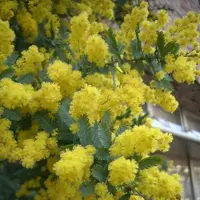
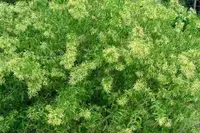
Cootamundra wattle (Acacia baileyana) is a small, fast-growing evergreen tree from southeastern Australia. It is widely grown as an ornamental in mild climates. The plant has finely divided bluish-grey foliage and masses of bright yellow, fragrant flowers in late winter to early spring. Its rounded, spreading habit makes it a striking feature tree. Acacia baileyana is generally easy to grow where winters are not very cold, but it can become invasive in some regions. It prefers full sun, good drainage, and relatively dry to moderately moist soil. Understanding how to care for cootamundra wattle helps keep it healthy and well-shaped in the garden.

Care Difficulty
Easy Care

Light Preference
Full Sun

Water Requirements
Low Water

Temperature Preference
Warm Climate

Hardiness Zone
8–11

Soil Texture
Sandy, Loamy, Rocky

Soil pH
Slightly acidic (6.5–7.0), Neutral (7.0)

Soil Drainage
Well-drained

Fertilization
Minimal (feed rarely)
Scan your plant to receive care tips personalized for your specific plant
Available on iOS and Android
Acacia baileyana thrives in bright, open conditions with strong direct light.
This species prefers deep, infrequent watering once established rather than constant surface moisture.
This plant is adapted to mild climates with warm summers and relatively cool, frost-light winters.
This species tolerates a wide humidity range and usually needs no special humidity management indoors or outdoors.
Acacia baileyana prefers free-draining, relatively lean soil that prevents waterlogging and root rot.
This species can be grown in containers for several years, especially in mild or frost-prone climates.
This nitrogen-fixing tree needs minimal feeding, but light fertilization can support young or container-grown cootamundra wattle.
Acacia baileyana responds well to thoughtful pruning that maintains structure and flowering.
This species is usually grown in the ground, so transplanting young trees correctly is more important than frequent repotting.
Acacia baileyana is most commonly propagated from seed, which needs pre-treatment for good germination.
This tree suits mild climates and has limited frost tolerance, so some winter care is useful in colder areas.

Plant Health Check
Not sure what's wrong with your plant? Check your plant's health inside the app.
This species has finely divided, silvery-blue bipinnate leaves that persist even when many other Australian wattles have shifted to simpler leaf-like phyllodes, making it highly distinctive in its native range.
Its bright golden flower clusters open mainly in late winter to early spring in Australia, providing early-season pollen and nectar for insects and birds when few other trees are in full bloom.
Although native to a small area around Cootamundra in New South Wales, it has naturalized and become invasive in parts of southern Australia and several other countries, outcompeting local shrubs and small trees if not managed carefully.

The cultivated purple-foliaged form of this species, often sold as Acacia baileyana 'Purpurea', develops its distinctive purple young growth due to higher concentrations of anthocyanin pigments in new leaves, which also help protect the tissues from excess light and cold stress.
This species is generally fast-growing, often adding 60–120 cm per year in suitable conditions. Growth is quickest in well-drained soil, full sun, and mild climates. Regular formative pruning helps manage size without significantly slowing growth.
Keep your plants happy and healthy with plant identification, disease detection, and easy care guidance.