Judas-tree Care (Cercis siliquastrum)

Judas-tree

About Judas-tree

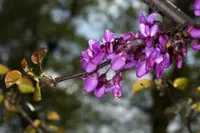
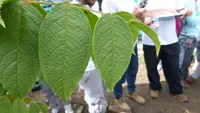
The Judas-tree, Cercis siliquastrum, is a small deciduous tree valued for its early spring display of pink to magenta pea-like flowers along bare branches and trunk. It usually develops a broad, rounded crown with heart-shaped leaves that emerge after flowering and often turn yellow in autumn.

This species is native to the eastern Mediterranean region, including parts of southern Europe and western Asia, and is commonly used as an ornamental tree in mild climates. It is generally considered moderately easy to grow, provided it has adequate light, good drainage, and protection from very harsh cold. Understanding how to care for Judas-tree helps it establish a strong structure and maintain reliable flowering over many years.

Main Plant Requirements

Care Difficulty

Moderate Care

Light Preference

Full Sun

Water Requirements

Moderate Water

Temperature Preference

Cool Climate

Hardiness Zone

6–9

Soil Texture

Sandy, Loamy, Clay

Soil pH

Slightly acidic (6.5–7.0), Slightly alkaline (7.0–7.5)

Soil Drainage

Well-drained

Fertilization

Minimal (feed rarely)

Get Personalized Care Plan

Scan your plant to receive care tips personalized for your specific plant

Available on iOS and Android

How to Care for the Judas-tree

Cercis siliquastrum prefers a bright, open position to flower heavily and maintain a balanced crown.

  • Aim for 6–8 hours of direct sun daily, with exposure to morning sun and some protection from intense late-afternoon summer sun in hotter regions.
  • Young Judas-tree specimens benefit from light afternoon shade or dappled shade, especially in the first 2–3 years after planting.
  • In cooler climates, full sun all day is suitable, but in hot, dry areas use nearby trees or structures to provide partial shade and reduce leaf scorch.

Cercis siliquastrum prefers deep but infrequent watering once established, with soil allowed to dry slightly between soakings.

  • In the first 1–2 years, water deeply when the top 5–8 cm of soil are dry, ensuring water reaches the full root zone rather than just the surface.
  • Mature trees usually cope with normal rainfall; in hot, dry spells, water when leaves start to lose turgor or curl slightly, then soak the root area thoroughly.
  • Use well-drained soil and avoid standing water; persistent wetness, yellowing leaves, or dieback of young shoots often indicates overwatering or poor drainage.

This species is a hardy small tree that tolerates a wide temperature range but performs best in mild, temperate conditions.

  • Optimal growing temperatures are about 60–80°F (16–27°C) during the growing season, with warm springs encouraging strong flowering and leaf development.
  • The tree typically withstands winter lows down to about 5–10°F (-15 to -12°C) once established, entering full dormancy and shedding leaves in cold climates.
  • In hot regions, brief periods up to 95°F (35°C) are tolerated if soil moisture is adequate, but extended extreme heat or drying winds can cause leaf scorch and reduced flowering the following year.

This species is an outdoor tree that tolerates a wide humidity range and usually needs no special adjustment in typical garden conditions.

This tree prefers moderately fertile, well-structured mineral soil with reliable drainage.

  • Use a loamy or sandy-loam soil that does not stay waterlogged, enriched with 20–30% well-rotted compost for structure and nutrients.
  • Aim for a slightly acidic to neutral pH of about 6.0–7.5, as Cercis siliquastrum handles mild alkalinity but struggles in very acidic or very chalky sites.
  • Improve aeration and drainage in heavier soil by incorporating coarse sand or fine grit plus organic matter throughout the top 30–40 cm, not just the planting hole.
  • Avoid compacted clay, standing water, or spots where meltwater or runoff regularly pools, since chronically saturated roots are prone to rot and decline.

This tree can be grown in containers for several years but needs careful pot and placement choices to avoid stress.

  • Choose a large, deep, heavy container that resists tipping in wind and provides enough root volume to buffer moisture and temperature swings.
  • Use a mineral-based mix such as 60% loam with 20% compost and 20% grit or perlite to keep drainage fast while retaining some moisture.
  • Raise the pot on feet or spacers so drainage holes never sit in collected water, reducing the risk of root suffocation and bark damage at the base.

Cercis siliquastrum generally needs modest feeding, especially in poor soils or containers.

  • Apply a light layer of compost or well-rotted manure around the root zone once in early spring.
  • On poor soils, use a balanced slow-release fertilizer (around 10-10-10) at label rate at the start of the growing season.
  • For container-grown Judas-tree, use a half-strength balanced liquid feed every 4–6 weeks from spring to midsummer.
  • Stop feeding in late summer to allow wood to harden and avoid stimulating tender growth before winter.

Pruning for Cercis siliquastrum is mainly corrective and structural rather than heavy shaping.

  • Carry out main pruning in late summer or very early autumn, after flowering and leaf development.
  • Remove dead, damaged, crossing, or rubbing branches with clean, sharp bypass pruners or a pruning saw.
  • Thin crowded interior shoots to improve light penetration and airflow while keeping the natural, open crown form.
  • Shorten or remove awkward low branches in the early years to establish a clear trunk and balanced canopy.

This tree is usually grown in the ground; transplanting young specimens is more common than long-term container culture.

  • Transplant in late winter to early spring while dormant, before buds swell, to reduce stress.
  • Look for signs such as roots circling the pot, water running off quickly, or very slow growth in containers.
  • Move up only 1 pot size, loosening circling roots gently and trimming damaged ones with clean tools.
  • Water thoroughly after planting, mulch 5–8 cm deep, and keep soil evenly moist for the first growing season to support establishment.

Cercis siliquastrum is typically propagated from seed, with some growers also using hardwood cuttings.

  • Collect ripe seed pods in late summer to autumn, dry them, and store cool and dry until sowing.
  • Scarify seeds lightly and use a cold stratification period of about 8–12 weeks to improve germination.
  • Sow in a free-draining seed mix, keep at 60–70°F, and maintain steady moisture without waterlogging.
  • Take hardwood cuttings in late autumn, use rooting hormone, and place in a sandy, well-drained medium under cool, bright conditions.

Established Cercis siliquastrum is moderately cold hardy and usually needs little winter intervention in mild to average climates.

  • Apply a 5–8 cm mulch layer over the root zone in late autumn, keeping it clear of the trunk to reduce rot risk.
  • Young or newly planted trees benefit from burlap or windbreaks in exposed sites to limit desiccation and stem damage.
  • Container-grown plants are more vulnerable; move pots into a sheltered, unheated but frost-free area or wrap containers for insulation.

Care Tips

Trunk training

Select a single strong leader in the first 2–3 years and remove competing upright shoots in late winter to develop a stable, tree-like form that resists storm damage.

Branch angle management

On young trees, use soft ties or short spreader sticks for one growing season to widen very narrow branch angles to about 45–60° and reduce the risk of limb splitting as the canopy gains weight.

Root flare protection

Keep mulch pulled back 5–8 cm from the trunk and avoid piling soil over the root flare so the base of the tree stays dry and less prone to rot or pest damage.

Pod and seed control

If seedling spread is not desired, remove most of the seed pods in late summer or early fall before they fully dry, which also reduces cleanup under the canopy.

Underplanting strategy

Use shallow-rooted, shade-tolerant groundcovers instead of turf right up to the trunk to reduce competition for moisture and nutrients, which supports healthier long-term growth when caring for Judas-tree.

Common Pests and Diseases

Canker

This disease causes sunken, cracked lesions on branches and stems, often leading to dieback of twigs or whole branches. Symptoms include reddish-brown or dark areas where bark looks shrunken or split.

Solution

Prune out infected branches well below visible cankers during dry weather, disinfecting tools between cuts with 70% alcohol or a 10% bleach solution. Improve tree vigor with proper watering and mulching, avoid trunk or branch injuries, and remove severely affected trees that continue to decline to reduce spread.

Verticillium wilt

This disease disrupts water movement in the tree, leading to sudden wilting, yellowing, and dieback of individual branches, often on one side of the canopy. Symptoms include sparse foliage, small leaves, and brown staining in the sapwood of affected branches.

Solution

Prune out wilted or dying branches promptly and dispose of them away from the garden, then water deeply but infrequently to reduce stress. Do not replant other verticillium-sensitive species in the same spot, and focus on long-term Cercis siliquastrum care through good nutrition and mulching to help mildly affected trees survive.

Leaf spot

This disease produces small brown, tan, or purplish spots on leaves that may enlarge and merge, causing premature leaf drop, especially in humid or wet conditions. Symptoms include thinning foliage and scattered discolored spots across the canopy.

Solution

Rake and discard fallen leaves, and prune to open the canopy for better airflow so foliage dries faster after rain. If the problem is recurrent and severe, apply a labeled copper or chlorothalonil fungicide in early spring at bud break, following local guidelines and timing repeat sprays during wet periods.

Scale insects

These insects attach to stems and branches as small, dome-shaped or flat bumps that suck sap, causing yellowing leaves, reduced vigor, and sticky honeydew on lower leaves or surfaces. This pest can weaken stressed trees and invite sooty mold growth on honeydew.

Solution

Scrub small, localized infestations off branches with a soft brush and soapy water, and prune out heavily infested twigs. For larger problems, apply a horticultural oil spray during the dormant season or when crawlers are active, fully coating bark and branch surfaces while avoiding spraying during high heat.

Caterpillars

These insects feed on Judas-tree foliage, leaving ragged holes or stripped sections on leaves, and in heavy outbreaks can cause partial defoliation. Symptoms include chewed leaf margins, frass (droppings) on leaves, and visible larvae on undersides of leaves or along branches.

Solution

Handpick caterpillars where reachable and dispose of them, and encourage birds and beneficial insects by maintaining diverse planting nearby. For persistent damage, spot-treat foliage with a Bacillus thuringiensis (Bt) product labelled for caterpillars, applying in the evening and repeating as directed while larvae are small and actively feeding.

Interesting Facts

Blossoms Direct On Wood

The flowers emerge directly from older branches and the main trunk, a trait called cauliflory, creating densely packed clusters of pink blooms along the woody framework in early spring.

Mediterranean Limestone Specialist

This species is native to the eastern Mediterranean and is especially common on sunny, rocky limestone slopes, showing high tolerance to calcareous, relatively dry soils compared with many other small ornamental trees.

Distinctive Flat Seed Pods

After flowering, it develops thin, papery, reddish-brown pods that hang on the branches through much of the year, adding ornamental interest and providing seeds that may be dispersed gradually by wind and gravity.

Botan icon

Did you know?

The name Judas-tree is traditionally linked to the legend that Judas Iscariot hanged himself from this species, a story traced in European writings at least to the 16th century, which has given the tree an enduring place in folklore and religious symbolism around the Mediterranean.

FAQs about Judas-tree

Lack of flowers often results from immature age, heavy pruning of older wood, too much shade, or nutrient imbalance. Avoid high-nitrogen fertilizer, prune only after flowering, and ensure several years of establishment before expecting reliable blooms.

Grow Healthy Plants with Botan Care

Keep your plants happy and healthy with plant identification, disease detection, and easy care guidance.

Botan plant care app — identify plants on mobile

Explore More Plants