Windbreak planting
In open or coastal sites, establish a taller hedge or plant near existing shrubs on the windward side to shelter young plants from strong, drying winds that can scorch new growth and stunt branching.

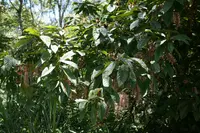
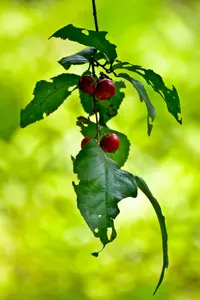
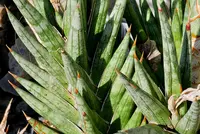
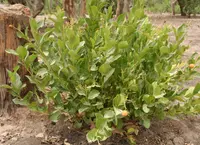
Taiwan mountain longan (Helicia formosana) is an evergreen shrub or small tree from warm, humid forests in Taiwan and nearby East Asian regions. It belongs to the Proteaceae family, known for tough, leathery foliage.
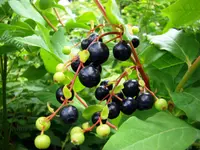
Plants typically form a dense, upright crown with glossy, dark green leaves and small, creamy flowers that can be followed by decorative fruit. In gardens, it is often used as a screening shrub or as a background tree in mild climates.
This species prefers consistent moisture, good drainage, and protection from harsh, drying winds. Understanding how to care for Taiwan mountain longan focuses mainly on providing stable warmth, moderate light, and evenly moist soil.

Care Difficulty
Moderate Care

Light Preference
Partial Shade

Water Requirements
Moderate Water

Temperature Preference
Warm Climate

Hardiness Zone
10–11

Soil Texture
Loamy, Sandy, Organic-rich

Soil pH
Acidic (5.5–6.5), Slightly acidic (6.5–7.0)

Soil Drainage
Moist but well-drained

Fertilization
Minimal (feed rarely)
Scan your plant to receive care tips personalized for your specific plant
Available on iOS and Android
Helicia formosana prefers bright, gentle light that mimics an open woodland edge.
This species prefers evenly moist, well-drained soil rather than constant wetness.
This evergreen shrub favors mild, frost-free conditions with stable temperatures.
This species prefers moderately humid air for steady growth.
This shrub prefers slightly acidic, moist yet free-draining soil with ample organic matter.
This species can be grown successfully in containers when stability and drainage are managed carefully.
Helicia formosana benefits from light, consistent feeding in containers, while established landscape trees often manage with minimal inputs.
Helicia formosana needs modest pruning to maintain a stable framework and remove problem wood.
This species is usually grown as a landscape shrub or small tree, so care focuses on thoughtful transplanting rather than frequent repotting.
Helicia formosana is usually propagated by seed or semi-ripe cuttings in controlled conditions.
In mild climates this evergreen shrub or small tree needs limited winter care but suffers in hard frost.

Plant Health Check
Not sure what's wrong with your plant? Check your plant's health inside the app.
This species is native and largely restricted to mid‑elevation broadleaf forests in Taiwan, where it typically grows as a small to medium evergreen tree in warm, humid mountain habitats.
It belongs to the family Proteaceae, making it a distant relative of ornamental proteas and banksias, with similarly tough, leathery leaves adapted to nutrient‑poor soils.
Its fleshy fruits are eaten by forest birds, which then disperse the seeds through their droppings, helping maintain genetic exchange between isolated mountain forest patches.
This shrub can adapt to large containers if given deep, well‑drained substrate and regular root pruning. Choose a sturdy pot, refresh the upper soil layer yearly, and up‑pot gradually to prevent becoming root‑bound and unstable in wind.
Keep your plants happy and healthy with plant identification, disease detection, and easy care guidance.