Italian maple Care (Acer opalus)

Italian maple

About Italian maple

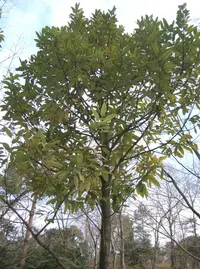
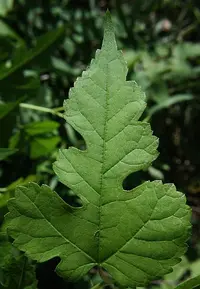
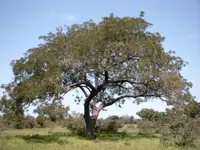
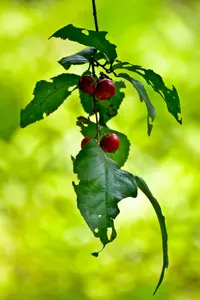
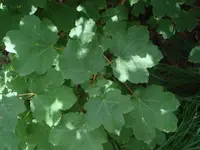
Italian maple, Acer opalus, is a medium-sized deciduous tree valued for its attractive lobed leaves and smooth, grayish bark. It offers a softer, more rounded look than many other maples.

This species is native to southern Europe and parts of the western Mediterranean, where it grows in woodlands and rocky slopes. In gardens, it typically forms a broad, graceful crown with good seasonal interest.

It is considered moderately easy to grow if given suitable conditions and space. Stable moisture, well-drained soil, and light ranging from bright dappled shade to gentle sun help care for Italian maple.

Main Plant Requirements

Care Difficulty

Moderate Care

Light Preference

Partial Sun

Water Requirements

Moderate Water

Temperature Preference

Cold Hardy

Hardiness Zone

6–9

Soil Texture

Loamy, Sandy, Organic-rich

Soil pH

Acidic (5.5–6.5), Slightly acidic (6.5–7.0)

Soil Drainage

Moist but well-drained

Fertilization

Minimal (feed rarely)

Get Personalized Care Plan

Scan your plant to receive care tips personalized for your specific plant

Available on iOS and Android

How to Care for the Italian maple

Acer opalus prefers bright outdoor conditions with gentle sun and some protection from intense midday exposure.

  • Provide 4–6 hours of sun daily, with morning sun and light afternoon shade ideal to reduce leaf scorch risk.
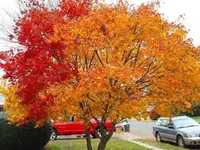
  • Tolerates partial shade, especially in hotter regions, but too much shade leads to sparse branching and dull autumn color in Italian maple.
  • In summer, protect from strong afternoon sun in zones with hot, dry weather; in winter, full sun is beneficial where temperatures remain within the species’ cold tolerance.

Acer opalus prefers evenly moist, well-drained soil rather than constant wetness or complete drying.

  • Water when the top 3–5 cm of soil feels dry, applying a deep soak that reaches the root zone instead of frequent shallow watering.
  • In spring and early summer, monitor closely during new growth and dry spells; reduce watering in late autumn once leaves drop and growth slows.
  • Watch for yellowing leaves and soft, dark roots as signs of overwatering, and for curling, crispy leaf edges as indicators of underwatering or drought stress in Acer opalus.

This maple thrives in temperate climates with cool winters and mild to warm summers.

  • Optimal growing temperatures are around 60–77°F (16–25°C) during the growing season, supporting steady leaf and shoot development.
  • Dormant trees tolerate cold down to about 5–10°F (-15 to -12°C) once established, but young plants benefit from protection from hard freezes and drying winter winds.
  • In summer, prolonged heat above 86°F (30°C) can cause leaf scorch, so combine light afternoon shade with good soil moisture to limit heat stress and canopy damage.

This maple tolerates a broad humidity range and rarely needs special humidity management outdoors.

  • Ideal humidity is 40–70%, which is typical outdoor air in most temperate regions.
  • Trees tolerate brief dry air but prolonged hot, very dry winds can cause leaf edges to brown and curl.
  • In exposed dry sites, use mulch over the root zone and occasional windbreaks to reduce moisture loss and humidity stress around foliage.

Acer opalus prefers deep, well-drained, moisture-retentive soil with plenty of organic matter.

  • Use a loamy structure with a mix of native soil, compost, and leaf mold to improve nutrient holding and water retention.
  • Aim for slightly acidic to neutral pH, roughly 6.0–7.2, avoiding strongly alkaline or compacted ground that restricts roots.
  • In heavy clay, incorporate coarse sand or fine bark and organic matter to enhance aeration and drainage while still holding moisture.
  • Avoid waterlogged sites, hardpan layers, or very shallow, stony soil that dries out quickly and stresses the root system.

This species can be grown in large containers for several years, especially as a patio or terrace specimen.

  • Choose a wide, heavy container that resists tipping, since the canopy becomes broad and can catch strong winds.
  • Use a deep potting volume to allow a spreading root system, which improves drought tolerance and overall stability.
  • Select a mineral-rich, bark-amended potting mix that drains freely yet stays evenly moist, preventing alternating soggy and bone-dry conditions.

Acer opalus benefits from light, balanced feeding in cultivation, especially in poorer soils.

  • Apply a balanced slow-release fertilizer (for example 10-10-10) at half strength once in early spring as growth starts.
  • On richer soils, top-dress with 2–5 cm of compost instead of repeated granular feeding.
  • Avoid midsummer and late-season fertilization to prevent soft growth that may suffer winter damage.
  • Do not feed during winter dormancy; excess nutrients at this time can disturb natural rest.

Pruning Acer opalus focuses on maintaining structure and removing problem wood rather than heavy shaping.

  • Carry out main pruning in late winter to very early spring, before bud break, using clean bypass pruners or a sharp saw.
  • Remove dead, damaged, crossing, or inward-growing branches to improve light penetration and airflow.
  • Limit structural cuts to young wood to guide a balanced, open crown without harsh stubbing.
  • Avoid heavy summer cuts, which can stress the tree and encourage weak, excessive regrowth.

Italian maple is usually grown in the ground, so management focuses on careful transplanting rather than frequent repotting.

  • Plan transplanting for late fall or very early spring when the tree is dormant and soil is workable.
  • Look for signs such as roots circling the container, root-bound masses, or slow, stunted growth in potted plants.
  • Move up only 1 container size, keeping the root ball intact; water thoroughly to settle soil and reduce air pockets.
  • Reduce root stress by shading the canopy, mulching lightly, and maintaining steady moisture for the first growing season.

Propagation of Acer opalus is possible but slower and often used mainly for specialized or conservation plantings.

  • Sow fresh seeds outdoors in fall or cold-stratify for 2–3 months at 34–41°F to break dormancy.
  • Use semi-ripe heel cuttings in midsummer, placed in a free-draining medium under high humidity and bright shade.
  • Air layering in late spring to early summer can yield larger plants; keep the moss wrap evenly moist until roots form.
  • Label sources carefully to maintain genetic diversity and local adaptation when establishing new plantings.

Acer opalus is reasonably cold hardy in many temperate regions and usually needs only modest winter attention.

  • Apply 5–8 cm of mulch around the root zone in late fall, keeping it away from the trunk to limit rot.
  • Young or recently transplanted trees benefit from burlap windbreaks in exposed sites to reduce desiccation.
  • For container-grown plants, move pots into a sheltered, unheated space or group and wrap containers to insulate roots.

Care Tips

Root flare check

Expose the root flare at the base of the trunk by gently brushing away excess soil or mulch so the first main roots sit at or just above soil level, which reduces risk of girdling roots and trunk rot.

Summer shade cloth

In hot inland sites, use 30–40% shade cloth on the west side during the first 2–3 summers to prevent leaf scorch while roots establish, then gradually remove it over subsequent seasons.

Windward staking

Place 1–2 sturdy stakes on the prevailing wind side, loosely tying the trunk with soft, flexible ties for only the first 1–2 years to encourage a straight leader without creating a permanently weak, supported tree.

Mulch ring management

Maintain a bare mulch ring 60–90 cm around the trunk, keeping organic mulch 5–8 cm deep and at least 5 cm away from the bark to stabilize soil moisture and reduce competition from turf roots.

Autumn leaf monitoring

In autumn, distinguish normal yellowing and drop from stress by checking for early, patchy browning or small, pale leaves, which can signal root or drought issues and help adjust how to take care of Italian maple the following season.

Common Pests and Diseases

Tar spot

This disease causes round, black, tar-like spots on leaves, often surrounded by pale yellow halos, and can lead to early leaf drop in late summer or autumn.

Solution

Collect and remove fallen leaves in autumn to reduce overwintering spores, and avoid overhead watering that keeps foliage wet for long periods. In most landscapes no chemical treatment is needed; focus on sanitation and maintaining tree vigor with proper watering and mulching.

Verticillium wilt

This disease blocks the water-conducting tissues, leading to sudden wilting, yellowing, and dieback of branches, often on one side of the tree first.

Solution

Prune out and destroy affected branches, cutting back into healthy wood, and disinfect tools between cuts with alcohol or a 10% bleach solution. Improve overall tree health with consistent watering, avoiding root disturbance, and do not replant maples or other susceptible species in soil known to be infected.

Woolly aphids

These insects produce white, cotton-like masses on young shoots and leaf undersides and excrete sticky honeydew that can lead to sooty mold on leaves and nearby surfaces.

Solution

Spray colonies off with a strong stream of water and, for persistent infestations, apply insecticidal soap or horticultural oil to thoroughly coat affected areas. Encouraging natural predators such as lady beetles and avoiding excess nitrogen fertilizer also helps keep populations in check.

Gall mites

These tiny pests cause small, raised, often red or green galls on leaf surfaces, sometimes distorting leaf shape but usually not seriously harming mature trees.

Solution

Rake and destroy fallen leaves to reduce overwintering mites and avoid excessive nitrogen that promotes tender, susceptible growth. In most cases no treatment is required, but for severe, recurrent damage on young trees, apply a dormant-season horticultural oil according to label directions.

Leaf scorch

Symptoms include browning and drying of leaf edges and tips, often with a yellow band between healthy and dead tissue, usually during hot, dry, or windy weather or in exposed sites.

Solution

Provide deep, infrequent watering during dry periods, ensuring soil stays evenly moist but not waterlogged, and apply a 5–8 cm mulch layer over the root zone to conserve moisture. If possible, reduce exposure to hot afternoon sun and drying winds, and avoid heavy pruning or fertilizing during stress periods to support long-term growing Acer opalus health.

Interesting Facts

Mediterranean mountain specialist

This species is native to montane areas of the western and central Mediterranean, often growing on rocky limestone slopes where many other broadleaf trees struggle to establish.

Early spring nectar source

Its small yellowish flowers open in early spring before or as the leaves unfold, providing one of the first reliable nectar and pollen resources for Mediterranean bees and other pollinators.

Striking seasonal bark change

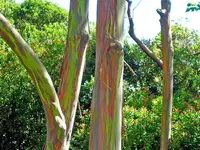
Older trees often develop a pale, grayish bark that can flake in irregular patches, creating a mottled appearance that becomes especially noticeable in winter when the tree is leafless.

Botan icon

Did you know?

In parts of its native range, this maple acts as an important nurse tree, with its light but protective shade helping seedlings of more shade-tolerant forest species establish in harsh, sun-exposed Mediterranean sites.

FAQs about Italian maple

This species has a moderate growth rate, usually adding about 20–40 cm of new growth per year once established. Younger trees grow a bit faster, then slow as they mature and focus energy on canopy development.

Grow Healthy Plants with Botan Care

Keep your plants happy and healthy with plant identification, disease detection, and easy care guidance.

Botan plant care app — identify plants on mobile

Explore More Plants