Wind-resistant staking
Install 2–3 sturdy stakes just outside the root zone and use soft, wide ties to secure young trunks, checking and loosening ties every 3–4 months to prevent girdling as the tree thickens.

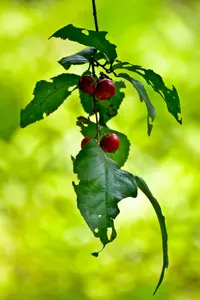
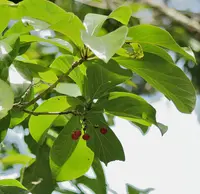
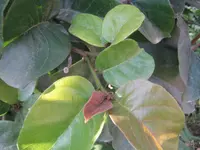
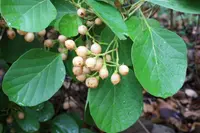
Batoko plum (Flacourtia inermis) is a small tropical fruit tree, usually grown as a shrub or compact tree with a rounded, dense crown. It produces small, glossy leaves and plum-sized fruits that ripen to red or deep purple, often used fresh or for preserves in its native and cultivated regions.
This species is native to Southeast Asia but is now grown in many humid tropical areas. It is generally considered easy to grow in warm climates but needs protection from frost and strong cold winds. Understanding how to care for batoko plum starts with providing consistent warmth, moderate moisture, and well-drained soil.

Care Difficulty
Moderate Care

Light Preference
Full Sun

Water Requirements
Regular Water

Temperature Preference
Tropical / Frost Sensitive

Hardiness Zone
10–12

Soil Texture
Sandy, Loamy, Organic-rich

Soil pH
Acidic (5.5–6.5), Slightly acidic (6.5–7.0)

Soil Drainage
Moist but well-drained

Fertilization
Minimal (feed rarely)
Scan your plant to receive care tips personalized for your specific plant
Available on iOS and Android
Flacourtia inermis grows best with abundant sun in warm, tropical to subtropical climates.
Flacourtia inermis prefers evenly moist, well-drained soil rather than constant saturation.
This tropical fruit tree requires warm, frost-free conditions for reliable growth and fruiting.
This species prefers moderately humid air and benefits from stable moisture around the foliage.
Flacourtia inermis performs best in well-structured, moisture-retentive but draining soil.
This species can be grown in containers when given ample root space and stable support.
This subtropical fruit tree benefits from moderate, balanced feeding in containers or poor soils but often needs little input in fertile ground.
Flacourtia inermis responds well to light, structured pruning that maintains a strong framework and safe height.
This species is usually grown in the ground, so management focuses on moving young trees from nursery containers into permanent sites with minimal stress.
New plants are produced mainly from fresh seed, with cuttings used where uniform fruit quality is important.
This tropical to subtropical tree is frost sensitive and needs protection in regions with cold winters, especially when young or container grown.

Plant Health Check
Not sure what's wrong with your plant? Check your plant's health inside the app.
Unlike several close relatives in the genus Flacourtia that have strong spines, this species is essentially without thorns on its branches, which makes harvesting its fruit much easier.
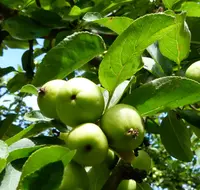
The fruit starts pale green, turns yellow to orange, and finally becomes deep red to purple when fully ripe, with both color and acidity shifting as sugars accumulate.
The small plum-like berries are quite sour when eaten fresh but develop a pleasant aroma and balanced flavor when used in preserves, juices, and syrups, especially in Southeast Asian cuisines.

This species is often planted in village gardens and around homes in parts of Southeast Asia as a multipurpose tree, valued at once for its edible fruit, shade, and role as a living boundary marker in traditional agroforestry systems.
Growth is moderately fast in warm, frost‑free climates, especially during rainy seasons. Young plants can add 30–60 cm per year when moisture, soil fertility, and warmth are adequate, but growth slows in cooler or drier conditions.
Keep your plants happy and healthy with plant identification, disease detection, and easy care guidance.