common duckweed Care (Lemna minor)

Also known as: Lesser Duckweed, Boggart, Groves, Jenny Greenteeth, Water Lentil, Toadspit, Karearea, Duckweed
common duckweed

About common duckweed

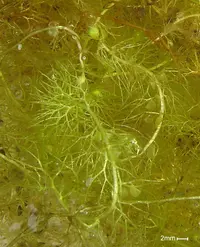
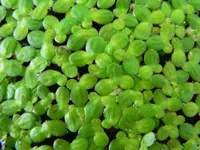
Common duckweed, Lemna minor, is a tiny free-floating aquatic plant that forms smooth green mats on still or slow-moving freshwater. Each plant is made of small leaf-like fronds with simple roots hanging below the water surface.

It occurs naturally in ponds, ditches, lakes, and quiet river edges across much of the world, especially in nutrient-rich waters. It grows very fast under stable conditions, which makes it easy to multiply but also prone to overcrowding.

For those learning how to care for common duckweed, it generally prefers calm, shallow water, good light, and consistent moisture, with no need for soil-based planting.

Main Plant Requirements

Care Difficulty

Easy Care

Light Preference

Partial Sun

Water Requirements

Aquatic

Temperature Preference

Cool Climate

Hardiness Zone

4–10

Soil Texture

Silty, Peaty, Organic-rich

Soil pH

Acidic (5.5–6.5), Slightly acidic (6.5–7.0)

Soil Drainage

Waterlogged tolerant

Fertilization

Minimal (feed rarely)

Get Personalized Care Plan

Scan your plant to receive care tips personalized for your specific plant

Available on iOS and Android

How to Care for the common duckweed

Lemna minor grows best on still or slow-moving water with bright, indirect light.

  • Provide 4–6 hours of gentle morning sun with light shade or dappled light in the afternoon to prevent leaf scorch.
  • Allow partial shade (up to 60–70% cover) in hot climates, as full midday sun can overheat shallow ponds and bleach fronds.
  • In cool seasons, reduce shade structures so common duckweed receives more light, supporting active growth while water temperatures remain low.

This floating aquatic plant depends on consistently stable, clean water rather than traditional soil watering.

  • Keep the water level steady so fronds always float freely; avoid exposing roots or letting the surface dry even briefly.
  • Use low-nutrient, non-chlorinated water when possible, and refresh or partial-change the water if it becomes foul-smelling, oily, or cloudy.
  • Watch for shrinking, pale mats as a sign of poor water quality or low nutrients, and dark, slimy growth as a sign of excess nutrients and stagnation.

This species prefers moderate water temperatures and slows growth in cold or extreme heat.

  • Aim for water temperatures around 68–82°F (20–28°C) for fastest growth and steady spread of fronds.
  • Expect Lemna minor to survive brief drops to about 41–45°F (5–7°C), but growth nearly stops and some fronds may die back.
  • Protect from hard frost and heat spikes above 95°F (35°C), which can damage tissues; deeper or shaded water helps buffer extreme temperatures seasonally.

This floating aquatic species requires constant 100% humidity at the water surface and does not tolerate dry air exposure.

  • Leaves must stay in direct contact with water; even brief drying at the edges causes yellowing and rapid dieback.
  • Exposure to moving dry air above the waterline leads to curled, shriveled fronds and slowed spread in common duckweed.
  • Maintain still or gently circulating water and use lids or windbreaks outdoors to limit evaporative drying at the surface.

This aquatic plant relies on water more than soil, but the pond or tank bottom still affects nutrient levels and stability.

  • Use fine, organic-rich sediment such as silt or clay with decomposed plant matter to release nutrients slowly into the water column.
  • Avoid coarse, shifting gravel or very loose sand that traps debris, rots, and encourages anaerobic (oxygen-free) pockets below the plants.
  • Keep pH near neutral, around 6.5–7.5, since strongly acidic or alkaline substrates reduce nutrient availability for Lemna minor.
  • Add a thin layer of well-rotted compost under water in outdoor ponds, allowing natural microbes to mineralize nutrients without forming thick sludge.

This species is highly suitable for container growing as a free-floating aquatic mat.

  • Choose wide, shallow containers so the surface area is large compared with depth, which maximizes light exposure and growth rate.
  • Use dark, opaque containers outdoors to limit light penetration at depth and reduce nuisance algae that compete for nutrients.
  • Place containers on a level, stable surface so the water line stays even, preventing plants from collecting and drying along one tilted edge.

Lemna minor grows fast and usually needs only light fertilization in managed water systems.

  • Use a dilute balanced aquatic fertilizer (for example 10-10-10) at 1/4–1/2 strength rather than heavy compost or slow-release granules.
  • Feed during the active warm-season growth period if fronds pale or growth slows, about every 2–4 weeks.
  • Skip or greatly reduce feeding in winter or when growth is clearly dormant.
  • In small indoor tubs, partial water changes help prevent nutrient buildup while caring for common duckweed.

Pruning Lemna minor is mainly about biomass control rather than shaping individual plants.

  • Skim off excess fronds whenever they form a dense mat that blocks light or gas exchange at the water surface.
  • Remove discolored, dead, or damaged clusters to limit decay and maintain water quality.
  • Use a fine net, cup, or floating ring to gather and lift plants without stirring sediment.
  • Regular thinning maintains healthy growth rates and supports stable conditions for fish or other aquatic life.

Transplanting Lemna minor focuses on moving fronds between water bodies rather than traditional repotting.

  • Shift plants when a pond, tank, or container becomes overcrowded or water quality declines, typically every few weeks in peak growth.
  • Transplant during warm, stable weather or when indoor water temperatures stay around 65–80°F.
  • Gently scoop fronds with surface water into the new container to limit handling and root stress.
  • Introduce plants to clean, nutrient-containing but not polluted water, and avoid sudden pH or temperature changes.

Lemna minor propagation relies on vegetative division of fronds rather than seed production in home setups.

  • The plant multiplies as daughter fronds bud from parent fronds, forming clusters that naturally break apart.
  • For intentional propagation, transfer healthy green fronds to a new container with still or very slow-moving water.
  • Provide bright indirect light and moderate nutrients to encourage rapid formation of new daughter fronds.
  • Start new cultures in late spring or summer when water temperatures are warm and growth is fastest.

Outdoor Lemna minor often survives mild winters but may decline or disappear where water fully freezes.

  • In cold climates, move a portion to an indoor tub or aquarium before consistent frost, using dechlorinated water.
  • Maintain water at 60–75°F with moderate light to keep a small overwintering colony.
  • Return part of the indoor culture outdoors after ice risk passes to re-establish the population.

Care Tips

Control Water Movement

Use a calm, low-flow container or baffle pump outflow with rocks or plastic dividers so the plants are not constantly pushed to the edges, which keeps the mat even and easier to harvest.

Thin Mats Regularly

Skim off 25–50% of the surface every 3–7 days with a fine net or sieve to prevent overcrowding, overheating of the top layer, and self-shading that slows growth.

Optimize Nutrient Source

Use a simple, measured aquatic fertilizer or diluted hydroponic solution instead of random organic inputs, and change or top up water before nutrients are exhausted to maintain steady growth.

Prevent Algae Competition

Limit direct midday sun on the water surface and avoid overfertilizing, and if algae appear, remove it with a fine net and perform a partial water change to keep the duckweed from being shaded out.

Quarantine New Stock

Keep new duckweed in a separate container for 1–2 weeks, rinsing it several times and inspecting for snails or insect larvae to avoid introducing pests and contaminants when growing common duckweed in established tanks.

Common Pests and Diseases

Aphids

These insects cluster on the tiny fronds and stalks, sucking sap and causing yellowing, curling, or stunted growth. This pest also produces sticky honeydew that can encourage sooty mold on dense duckweed mats.

Solution

Skim heavily infested duckweed from the water surface and discard, then rinse remaining plants in clean, dechlorinated water through a fine net. For larger ponds, encourage natural predators such as ladybird beetles or lacewings at the pond margin, and avoid overfertilizing, which supports aphid population booms.

Spider mites

These pests feed on the undersides of fronds, creating tiny pale speckles and a dull, stippled appearance, especially in warm, dry indoor setups. Fine webbing may be visible between fronds or along the container edge when populations are high.

Solution

Lower water temperature slightly if possible and increase ambient humidity around indoor cultures to create less favorable conditions. Rinse duckweed through clean water using a fine mesh, repeat every few days, and if needed introduce biological control agents such as predatory mites in enclosed culture systems.

Water mold (oomycete) infection

This disease causes fronds to turn translucent, grayish, or brown and then disintegrate, often starting in crowded, nutrient-rich tanks. Symptoms include rapid collapse of patches of duckweed, especially in stagnant or poorly cleaned systems.

Solution

Remove and discard all visibly decomposing duckweed and perform a large partial water change using clean, dechlorinated water. Reduce organic waste, improve water circulation or gentle aeration, and, in culture systems, sterilize containers and equipment between batches to limit recurring infections; maintain moderate stocking density to prevent overcrowding.

Bacterial soft rot

This disease produces mushy, foul-smelling fronds that break apart easily, typically under warm conditions with high organic load and poor water quality. Symptoms include rapid decline of duckweed mats and cloudy water from decaying tissue.

Solution

Manually skim and discard all rotting duckweed and perform substantial water renewal with clean, low-organic water. Reduce feeding of fish if present, clean sediment and debris from the bottom, and maintain thinner, actively growing duckweed mats by harvesting regularly to avoid dense, low-oxygen layers that favor bacterial growth.

Algal overgrowth

This problem is not a true infection but a competitive overgrowth where filamentous or planktonic algae shade duckweed, causing pale, stretched fronds and slower reproduction. Symptoms include thick green scum or long algae strands entangled with duckweed on the surface.

Solution

Manually remove filamentous algae with a net or brush and increase the harvested amount of duckweed to keep the mat vigorous. Reduce excess nutrients by limiting fertilizer or fish feed input, provide some shade to lower light intensity, and maintain good water turnover; in controlled systems, periodic culture restart from a smaller, healthy portion supports stable Lemna minor plant care.

Interesting Facts

World’s smallest flowering

The individual fronds of this species can be as small as 1–3 mm, making it one of the smallest known flowering plants, yet it still produces highly reduced flowers that are difficult to see without magnification.

Fast clonal spread

Lemna minor reproduces mainly by vegetative budding, where new fronds grow from a small meristematic region, allowing populations to expand rapidly across still or slow-moving water surfaces.

Efficient nutrient absorber

This duckweed can take up dissolved nitrogen and phosphorus directly from the water, which is why it is widely studied for use in small-scale wastewater polishing and nutrient removal systems.

Botan icon

Did you know?

Lemna minor can accumulate heavy metals such as cadmium and lead from contaminated water, which has led to its use as a standard test organism in ecotoxicology to assess the toxicity of pollutants in aquatic environments.

FAQs about common duckweed

Under nutrient-rich, still water and warm temperatures around 70–86°F, this species can double its surface coverage in 2–4 days. Growth slows in cool water, shade, strong water movement, or when nutrients like nitrogen and phosphorus are limited.

Grow Healthy Plants with Botan Care

Keep your plants happy and healthy with plant identification, disease detection, and easy care guidance.

Botan plant care app — identify plants on mobile

Explore More Plants