Deep gravel collar
When planting in the ground, create a 3–5 cm deep gravel or coarse sand collar around the crown so water sheds away from the growth point and reduces crown rot risk when growing bitter root.

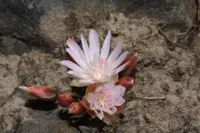
Bitter root, Lewisia rediviva, is a small perennial succulent from dry mountain regions of western North America. It grows from a fleshy taproot and forms low rosettes close to the ground. Its showy flowers range from white to deep pink and rise just above the soil on short stalks, often appearing before or with a few narrow leaves. Growth is strongest in spring, followed by a dry summer rest. This species prefers very well-drained, rocky or sandy soil and cool sun with good air movement. Understanding this natural cycle makes it easier to care for bitter root in gardens or containers.

Care Difficulty
Hard Care

Light Preference
Full Sun

Water Requirements
Low Water

Temperature Preference
Cold Hardy

Hardiness Zone
3–8

Soil Texture
Sandy, Rocky, Loamy

Soil pH
Slightly acidic (6.5–7.0), Neutral (7.0)

Soil Drainage
Well-drained

Fertilization
Minimal (feed rarely)
Scan your plant to receive care tips personalized for your specific plant
Available on iOS and Android
Lewisia rediviva thrives in strong, direct light that mimics open, rocky mountain habitats.
Lewisia rediviva is a drought-tolerant succulent that needs sparse, carefully timed watering.
This species prefers cool to mild conditions and tolerates significant cold when drainage is excellent.
Lewisia rediviva prefers dry air and does not require elevated humidity.
Lewisia rediviva needs very fast‑draining, mineral soil that dries quickly.
This species can grow in containers if the pot mimics a rocky, sharply draining habitat.
Lewisia rediviva is a low-nutrient, rock-garden native that needs only light, infrequent feeding to stay healthy.
Lewisia rediviva needs minimal pruning, focused on cleanliness rather than reshaping the plant.
Lewisia rediviva is usually grown in rock gardens or troughs and dislikes frequent disturbance of its deep taproot.
Lewisia rediviva is typically propagated from seed, as division risks damaging its fleshy taproot.
Lewisia rediviva is cold hardy in much of the western US and usually needs little active winter care in the ground.

Plant Health Check
Not sure what's wrong with your plant? Check your plant's health inside the app.
The fleshy roots of this species were an important traditional food for many Native American peoples in the Intermountain West, who harvested them in early spring before flowering when the roots are less bitter.
This plant survives in very dry, rocky habitats by dying back completely above ground after flowering and persisting as a thickened root that can remain dormant through long periods without rain.
This species is the official state flower of Montana, chosen in 1895, reflecting its strong association with the region’s arid, rocky landscapes and cultural history.

The scientific name rediviva, meaning "restored to life" or "revived", refers to the plant’s remarkable ability to appear dead when dried and leafless, then resume growth and flower again once moisture returns, a trait that drew early botanists’ attention to Lewisia rediviva care and survival strategies in harsh climates.
Lack of flowers usually comes from excessive moisture, rich organic soil, or too much shade. This alpine species needs a dry rest after foliage dies back. Avoid fertilizing, keep the crown dry, and provide strong light to encourage buds.
Keep your plants happy and healthy with plant identification, disease detection, and easy care guidance.