Encourage tight rosettes
Rotate the container 1–2 times per month so all sides receive similar light intensity, which keeps the rosette symmetrical and prevents the leaves from leaning or twisting permanently toward one direction.

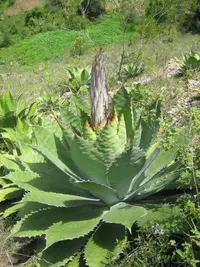
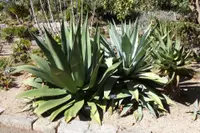
Agave cupreata is a medium-sized rosette-forming succulent native to the dry, rocky slopes of southwestern Mexico. It stores water in thick, fleshy leaves to survive long dry periods.
The plant typically forms a solitary rosette with broad, gray-green leaves edged with sharp teeth and a strong terminal spine. Over many years it may produce a tall flowering stalk, then the main rosette dies.
This species prefers bright, direct light, very well-drained gritty soil, and infrequent watering. Its slow growth, drought tolerance, and sensitivity to excess moisture shape how to care for Agave cupreata, making it suitable for patient growers who can avoid overwatering.

Care Difficulty
Moderate Care

Light Preference
Full Sun

Water Requirements
Low Water

Temperature Preference
Tropical / Frost Sensitive

Hardiness Zone
10–11

Soil Texture
Sandy, Loamy, Rocky

Soil pH
Slightly acidic (6.5–7.0), Neutral (7.0)

Soil Drainage
Well-drained

Fertilization
Minimal (feed rarely)
Scan your plant to receive care tips personalized for your specific plant
Available on iOS and Android
This sun-loving succulent performs best with strong, direct light in dry climates.
This species is highly drought-tolerant and must be kept on the dry side to avoid root rot.
This desert-adapted agave prefers warm to hot conditions and is sensitive to hard frost.
This species tolerates typical indoor humidity and does not need special humidity management.
This species needs very fast-draining, mineral-based soil that prevents waterlogging around the roots.
This species is well suited to container culture when the pot supports its rigid, weighty rosette.
This drought-adapted species needs only light feeding in containers or very poor soils.
This plant needs minimal pruning, focused on hygiene and safety rather than shaping.
Agave cupreata is often grown in the ground, but container plants or young specimens may need occasional transplanting.
Propagation is possible but slow, most often done from offsets and sometimes from seed.
This species dislikes prolonged hard frost and benefits from basic winter precautions in cool climates.

Plant Health Check
Not sure what's wrong with your plant? Check your plant's health inside the app.
The leaves of this species often develop a distinctive coppery or bronzy cast, especially in strong sun, which is the origin of the epithet cupreata, meaning copper-colored.
This agave is one of the principal wild species used to produce traditional mezcal in parts of Guerrero and Michoacán, contributing characteristic earthy and herbal aromas to the spirit.
A single rosette typically takes many years to reach flowering size, and once it flowers and sets seed, the rosette dies, a life cycle pattern known as being monocarpic.

Wild populations of this species in Mexico have declined in some areas due to overharvesting for mezcal production before plants can flower and set seed, which has raised conservation concerns and led to local efforts to manage and replant stands more sustainably.
This species is monocarpic, so it flowers only once at maturity, often after several decades. Lack of bloom usually means the rosette is simply not old enough yet, not that care conditions are incorrect.
Keep your plants happy and healthy with plant identification, disease detection, and easy care guidance.