Peyote Care (Lophophora diffusa)

Peyote

About Peyote

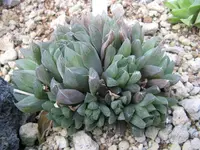
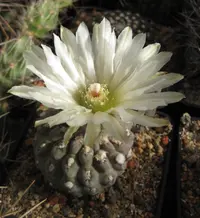
Peyote, commonly called Lophophora diffusa, is a small, spineless cactus with a pale green, rounded body divided into smooth ribs. It usually stays low and compact, often forming small clusters over time.

This species is native to arid regions of central Mexico, where it grows in rocky, well-drained soils and strong light. It is slow growing and sensitive to excess moisture, which makes it more demanding than many common houseplants.

Successful care for Peyote depends on bright light, a very gritty mineral substrate, and careful watering that avoids prolonged wetness around the roots.

Main Plant Requirements

Care Difficulty

Moderate Care

Light Preference

Partial Sun

Water Requirements

Low Water

Temperature Preference

Tropical / Frost Sensitive

Hardiness Zone

10–11

Soil Texture

Sandy, Rocky, Loamy

Soil pH

Slightly acidic (6.5–7.0), Neutral (7.0)

Soil Drainage

Well-drained

Fertilization

Minimal (feed rarely)

Get Personalized Care Plan

Scan your plant to receive care tips personalized for your specific plant

Available on iOS and Android

How to Care for the Peyote

Lophophora diffusa prefers bright, gentle light that mimics open desert with some protection from harsh midday sun.

  • Provide 4–6 hours of direct morning sun or late-afternoon sun, plus bright indirect light for the rest of the day, especially in spring and summer.
  • Protect Peyote from intense midday sun to prevent yellowing and corky scorch patches; use light shade cloth or dappled shade in very bright climates.
  • In winter, move plants to the brightest spot available and avoid deep shade, which leads to elongated, weak growth over several months.

Watering for Lophophora diffusa must be sparse and carefully timed to avoid root rot.

  • During active growth, water only when the top 3–5 cm of soil are completely dry and the stem feels slightly soft, then water thoroughly and let excess drain away.
  • In winter or cool, low-light periods, reduce watering to a light drink every few weeks or less, keeping the plant mostly dry to prevent fungal problems.
  • Signs of overwatering include yellowing, cracking, or a mushy base; wrinkling and slight shrinking across the ribs indicate it is time to water again if the soil is dry.

This cactus favors warm, dry air and struggles with prolonged cold or damp conditions.

  • Aim for 70–85°F (21–29°C) during active growth; brief peaks to 90–95°F (32–35°C) are tolerated if airflow is good and soil is not constantly wet.
  • Protect Lophophora diffusa from frost; growth slows below 55°F (13°C), and tissue damage can occur below 40°F (4°C), especially in wet soil.
  • In winter, a cool, dry rest at 50–60°F (10–16°C) is acceptable if the plant is kept almost dry, which helps prevent weak, etiolated growth in low light.

This cactus prefers dry air and handles typical indoor humidity well.

  • Aim for 30–40% humidity; avoid sustained levels above 60% to reduce rot risk.
  • Dry household air is usually safe, but prolonged dampness around the stem can damage tissue.
  • Signs of excess humidity stress include softening at the base, yellowing, and slow collapse of the stem; increase air movement or use a dehumidifier rather than misting.

Use a very fast-draining, mineral-heavy mix to protect the roots from rot.

  • Choose a gritty, sandy substrate with loose structure, such as 60–70% mineral material and 30–40% organic content.
  • A practical mix is coarse sand or pumice, fine gravel, and a small portion of cactus potting mix for Lophophora diffusa.
  • Keep pH slightly acidic to neutral (pH 6.0–7.0) by avoiding large amounts of alkaline materials like crushed limestone.
  • Avoid peat-heavy, compacted, or water-retentive mixes that stay wet longer than 2–3 days, as roots need air spaces to stay healthy.

This species is well suited to container growing when excess moisture is controlled.

  • Select a shallow but wide pot so the taproot has room while preventing a deep column of wet substrate.
  • Use unglazed clay containers to let moisture evaporate faster and reduce the risk of root rot.
  • Place the pot where it cannot tip, as the heavy mineral mix and rounded stem can make the container unstable.

This cactus has low nutrient demand, so use light, infrequent feeding during active growth only.

  • Apply a diluted balanced liquid fertilizer (around 10-10-10) at 1/4–1/2 strength every 4–6 weeks in spring–summer.
  • Choose a cactus or succulent formula rather than high-nitrogen products to avoid soft, weak tissue.
  • Skip feeding in autumn–winter when growth slows and the plant rests.
  • Ensure soil is already moist before applying fertilizer to reduce root burn risk when caring for Peyote.

Lophophora diffusa needs almost no structural pruning and is usually only tidied for health reasons.

This slow-growing cactus prefers infrequent repotting, with minimal root disturbance each time.

  • Plan to repot every 4–6 years, or when roots circle the pot or emerge from drainage holes.
  • Choose late spring as the safest time, when active growth helps recovery from transplant stress.
  • Use a shallow container with a very fast-draining cactus mix to protect the taproot from rot.
  • Gently loosen the root ball, remove old soggy soil, keep the taproot intact, then keep dry for several days before watering.

New plants are most reliably raised from seed, as vegetative propagation is limited for this species.

  • Sow fresh seeds in late spring under bright, indirect light and warm conditions around 75–85°F.
  • Use a sterile, fine, gritty mix kept evenly barely moist, not wet, to avoid damping-off disease.
  • Lightly press seeds onto the surface, cover with a clear lid or film for humidity, and ventilate daily.
  • Germination is slow; maintain stable warmth and light for several weeks to months for good Lophophora diffusa plant care.

This cactus is sensitive to prolonged cold and must stay dry and cool but frost-free in winter.

  • Maintain temperatures around 45–55°F with plenty of light and almost no water.
  • Move container plants indoors or to a cold greenhouse before temperatures drop near freezing.
  • Keep soil completely dry; cold combined with moisture greatly increases root and stem rot risk.
  • Provide good air circulation and avoid contact with cold, damp surfaces around the pot.

Care Tips

Root-zone inspection

Unpot the plant every 2–3 years during its dry rest period to check that the taproot is firm, remove any circling feeder roots, and refresh only the outer layer of soil without disturbing the core root ball.

Controlled mineral topdress

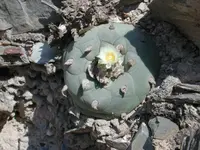
Apply a thin top layer of coarse mineral grit (pumice, lava rock, or quartz) to keep the neck of the plant dry, reduce algae and fungus gnats, and stabilize the stem in shallow dishes.

Gradual light hardening

When moving plants from indoor light or shade to stronger sun, increase exposure in 30–60 minute steps over 2–3 weeks to avoid epidermal scarring and maintain the plant’s natural glaucous (blue-green) color.

Dormancy timing cue

Use shortening day length and cooler nights in fall as a cue to stop watering and feeding entirely, which encourages a firm, compact body and reduces the risk of root rot during winter dormancy.

Quarantine and hygiene

Quarantine any new cactus for at least 3–4 weeks, inspecting under the ribs and at the base for mealybugs or mites, and use dedicated tools and labels for each tray to reduce pest spread when growing Peyote in collections.

Common Pests and Diseases

Red spider mites

This pest appears in hot, dry indoor setups and can cause pale, rough patches on the cactus epidermis and fine webbing in ribs and areoles.

Solution

Increase local humidity slightly around the plant without wetting the body, then rinse the cactus gently under a lukewarm, soft water stream and allow it to dry fully; repeat weekly and follow with neem oil or a light horticultural soap spray, ensuring excellent air movement and strong light to support recovery.

Root mealybugs

These insects live hidden in the potting mix and on roots, forming white cottony clusters that stunt growth and cause unexpected shriveling despite careful watering.

Solution

Unpot the cactus, wash roots under running water, remove all old substrate, and inspect for white clusters; treat roots and pot with an isopropyl alcohol spray, repot into fresh, very mineral soil, and keep slightly drier for 1–2 weeks while monitoring for reinfestation as part of careful Peyote indoor care.

Corky scab lesions

This disease-like physiological disorder shows as hard, brown, corky patches on the soft epidermis, often triggered by sudden watering changes or minor injuries that let fungi colonize damaged tissue.

Solution

Remove any soft, actively rotting tissue with a sterile blade, let the wound dry and callus in bright, dry conditions, then adjust watering to light but regular amounts in a very free-draining, calcareous substrate while improving airflow to keep the plant surface dry between waterings.

Fusarium stem rot

This disease starts from wounds or the root zone and leads to rapid softening, discoloration, and collapse of part of the cactus body, often with a reddish or brown internal ring.

Solution

At first signs, cut away affected tissue well into firm, healthy flesh with a sterile knife, dust the cut with sulfur or a copper-based fungicide, then allow the plant to dry and callus in a warm, very airy place before replanting in a sterile, gritty mix and watering sparingly.

Scale insects

These insects form small, hard, tan or brown bumps on ribs and near areoles, sucking sap and causing localized yellowing and weakened growth over time.

Solution

Loosen and remove scales manually with a cotton swab dipped in 70% isopropyl alcohol, repeat inspections weekly, and combine with a light application of horticultural soap or neem oil while keeping the plant in high light and a dry, well-ventilated position to discourage reestablishment.

Interesting Facts

Low mescaline content

This species contains only trace amounts of mescaline compared with its relative Lophophora williamsii, and its alkaloid profile is dominated by other compounds such as pellotine and anhalonidine.

Distinct stem morphology

The stem is typically yellow‑green to pale green, with very low or nearly flat ribs that create a smoother, more disk‑like top than most other Lophophora species.

Restricted natural range

In the wild it is native to a relatively small area of central Mexico, mainly in parts of Querétaro and Hidalgo, where it grows on limestone-rich slopes and rocky outcrops.

Botan icon

Did you know?

Genetic and morphological studies indicate that this species is sufficiently distinct from Lophophora williamsii that some authors have proposed recognizing it as a separate evolutionary lineage within the genus, highlighting its long and somewhat independent history of adaptation in central Mexico.

FAQs about Peyote

Flowering depends on maturity, light intensity, and a marked cool, dry rest period. Young plants or those kept too warm or moist year-round often delay buds. Stable conditions and patience are essential when growing Peyote from seed.

Grow Healthy Plants with Botan Care

Keep your plants happy and healthy with plant identification, disease detection, and easy care guidance.

Botan plant care app — identify plants on mobile

Explore More Plants