Kalanchoe laxiflora Care

Kalanchoe laxiflora

About Kalanchoe laxiflora

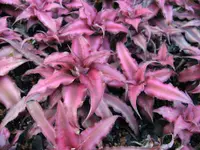
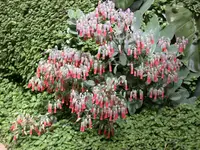
Kalanchoe laxiflora is a small succulent shrub with slender, upright stems and grey-green, often reddish-edged leaves. It forms loose clusters of tubular orange to red flowers. This species is native to Madagascar, where it grows in rocky, well-drained habitats with strong light. In cultivation it stays compact and works well in pots, mixed succulent plantings, or outdoor containers in mild climates. Its fleshy leaves store water, so it tolerates short periods of neglect and irregular watering. Simple, consistent conditions make it relatively easy to care for Kalanchoe laxiflora, provided it has bright light, infrequent watering, and freely draining soil.

Main Plant Requirements

Care Difficulty

Easy Care

Light Preference

Partial Sun

Water Requirements

Low Water

Temperature Preference

Tropical / Frost Sensitive

Hardiness Zone

10–12

Soil Texture

Sandy, Loamy, Rocky

Soil pH

Slightly acidic (6.5–7.0), Neutral (7.0)

Soil Drainage

Well-drained

Fertilization

Minimal (feed rarely)

Get Personalized Care Plan

Scan your plant to receive care tips personalized for your specific plant

Available on iOS and Android

How to Care for the Kalanchoe laxiflora

This succulent prefers bright conditions that balance sun exposure with protection from scorching.

  • Provide 4–6 hours of direct morning sun with bright, filtered light the rest of the day; east or southeast exposure suits Kalanchoe laxiflora well.
  • Allow light partial shade, especially in hot climates; strong afternoon sun behind glass or on exposed patios can cause leaf scorch and faded color.
  • In winter, move plants to the brightest spot available to compensate for shorter days, and rotate them weekly to prevent one-sided, leggy growth.

This drought-tolerant succulent needs infrequent, thorough watering and fast drainage.

  • Water only when the top 3–5 cm of soil are completely dry; use a finger test rather than a fixed calendar schedule.
  • Soak the root zone until water drains freely, then discard excess; consistently wet or heavy soil leads to root rot and mushy, yellowing leaves in Kalanchoe laxiflora.
  • Reduce watering sharply in winter, watching for wrinkling or slightly drooping leaves as a sign to water, and avoid misting or saucer-standing water year-round.

This species prefers warm, dry conditions and is sensitive to cold and frost.

  • Aim for 65–80°F (18–27°C) for active growth, with good air movement to reduce fungal risk in humid regions.
  • Protect from temperatures below 40°F (4°C); brief drops near this level may cause leaf damage, while frost can kill stems and roots.
  • In hot summers, plants tolerate 90–95°F (32–35°C) if soil is well drained and not waterlogged, but provide light shade and avoid placing next to heat-reflecting walls.

This succulent handles typical indoor humidity well and rarely needs special adjustments.

  • Aim for 30–50% relative humidity; it tolerates drier air better than prolonged damp conditions.
  • Dry, papery leaf tips or soft, collapsing leaves may indicate humidity combined with overwatering stress rather than dryness alone.
  • Increase local humidity only mildly, using a nearby pebble tray or grouped plants, while keeping foliage and soil surface dry.

Provide a very fast-draining, airy mix that mimics sandy, rocky ground for Kalanchoe laxiflora.

  • Use a cactus/succulent mix amended with extra mineral grit such as coarse sand, perlite, or pumice for sharper drainage.
  • Aim for a loose, crumbly texture that lets water pass through within seconds and leaves air pockets around the roots.
  • Keep pH slightly acidic to neutral, about 6.0–7.0, avoiding heavy lime additions unless a soil test shows strong acidity.
  • Avoid peat-heavy, compacted, or water-retentive mixes, which increase the risk of root rot and stem base softening.

This species grows very well in containers when drainage and stability are managed carefully.

  • Choose a wide, shallow pot that matches the relatively shallow root system but allows room for lateral spread of new shoots.
  • Select unglazed terracotta if extra evaporation is needed, since its porous walls help counter occasional overwatering in small indoor spaces.
  • Place the pot in a stable spot or use a heavier container base if stems arch outward and make the plant prone to tipping.

This succulent benefits from light feeding during active growth but is sensitive to excess salts.

  • Use a diluted balanced liquid fertilizer (such as 10-10-10 or 20-20-20 at 1/4–1/2 strength) for Kalanchoe laxiflora in spring–summer.
  • Feed every 4–6 weeks while growth is strong; skip if leaves already look very lush and firm.
  • Avoid compost-heavy mixes that stay wet; choose formulations for succulents or cacti when possible.
  • In fall and winter, reduce feeding to 1 light application or none, depending on light and growth.

Light pruning helps maintain compact growth and flowering performance.

  • Best time is late winter to early spring, before strong new growth starts on Kalanchoe laxiflora.
  • Use clean, sharp scissors or small pruners to remove dead, damaged, or leggy stems.
  • Pinch or cut back elongated tips to encourage branching and a fuller, low mound.
  • After flowering, trim faded flower stalks at the base to tidy the plant and direct energy to new growth.

This species prefers slightly tight pots and infrequent repotting.

  • Repot every 2–3 years or when roots circle the pot, drainage slows, or growth stalls.
  • Choose late spring as the best time to move Kalanchoe laxiflora into a slightly larger pot (2–3 cm wider).
  • Use a gritty succulent mix, handling roots gently and loosening only the outer circling roots.
  • Water lightly after repotting, keep in bright but indirect light for 5–7 days, and then resume normal care.

Stem and leaf cuttings provide the most reliable method for Kalanchoe laxiflora plant care and propagation.

  • Take 5–8 cm non-flowering stem cuttings or healthy leaves in late spring or early summer.
  • Allow cut surfaces to callus for 1–2 days in dry air to reduce rot risk.
  • Set cuttings on or slightly in a gritty, barely moist succulent mix with bright, indirect light.
  • Maintain 65–75°F and minimal watering until roots form in 2–4 weeks, then pot individually.

This succulent is frost sensitive and needs protection in cold climates.

  • Kalanchoe laxiflora is best kept above 40°F; prolonged exposure near freezing can damage foliage and stems.
  • Move container plants indoors before first frost, placing them in bright, cool, well-ventilated spots.
  • Reduce watering in winter, letting the soil dry more thoroughly between waterings to avoid rot.
  • In mild climates, use a light, dry mulch around outdoor plant bases to buffer brief cool nights.

Care Tips

Stem shaping support

Use short, unobtrusive stakes or a small hoop to gently guide long, arching stems so they do not snap under their own weight, especially on older, top-heavy plants.

Strategic propagation pruning

When stems become leggy, cut just above a pair of healthy leaves, then root the tip cuttings in a small, fast-draining pot to regularly renew the plant and keep growth compact.

Flowering cycle reset

After flowering finishes, remove all spent flower stems, reduce watering slightly, and give the plant several weeks of bright, slightly cooler conditions to help reset its energy for the next bloom cycle.

Seasonal light rotation

Rotate the pot by 1/4 turn every 1–2 weeks during active growth so all sides receive similar light exposure and stems stay evenly colored and less prone to leaning or breakage.

Salt build-up management

Every 2–3 months in warm seasons, water thoroughly until excess runs from the drainage holes, then let the mix dry again; this helps flush fertilizer salts from the root zone without keeping the plant constantly wet, which is important when caring for Kalanchoe laxiflora.

Common Pests and Diseases

Mealybugs

This pest often hides in leaf axils and along stems, sucking sap and causing leaf yellowing, distortion, and sticky honeydew. Symptoms include slowed growth and cottony white clusters on new growth and between crowded leaves.

Solution

Isolate the plant, then dab visible mealybugs with cotton swabs dipped in 70% isopropyl alcohol and repeat weekly until no new clusters appear. Improve light and air movement, avoid overfertilizing, and use a labeled insecticidal soap or horticultural oil spray, ensuring thorough coverage of leaf undersides and crevices.

Aphids

These insects cluster on tender shoot tips and flower stalks, feeding on sap and causing curling or misshapen leaves and sticky residue. Ants may appear to farm the aphids for honeydew, and sooty black mold can grow on the sugary coating.

Solution

Rinse the plant under a strong but gentle stream of water to knock off colonies, then treat with insecticidal soap, repeating every 5–7 days until clear. Control nearby ant activity, avoid high-nitrogen fertilizer that encourages soft new growth, and space plants to reduce reinfestation risk as part of general Kalanchoe laxiflora care instructions.

Powdery mildew

This disease shows as white, powdery patches on leaves and stems, often starting in shaded, humid areas of the plant. Symptoms include dull, distorted leaves and reduced vigor, especially in crowded indoor groupings.

Solution

Remove and discard heavily affected leaves, then improve air circulation and avoid wetting foliage, especially in the evening. If needed, apply a sulfur-based or potassium bicarbonate fungicide labeled for ornamentals, and keep the plant in bright, dry conditions with good spacing from neighboring plants.

Leaf spot

This disease causes small, sunken, brown to black spots on leaves that may coalesce into larger blotches, sometimes with a yellow halo. Symptoms include premature leaf drop on stressed plants kept in cool, damp conditions or with frequent overhead watering.

Solution

Cut off and discard affected leaves, sterilizing scissors between cuts, and shift to watering at the soil level so foliage stays dry. Increase light, reduce crowding, and if spotting continues, use a copper-based fungicide labeled for succulents, following intervals on the label and monitoring new growth for clean, unspotted leaves.

Soft scale

This pest appears as flat, tan to brown bumps along stems and leaf midribs that do not move when touched, while feeding on sap and producing honeydew. Symptoms include sticky leaves, yellowing, and a general decline in vigor over time.

Solution

Manually scrape or wipe off scales with a cloth or soft brush dipped in 70% isopropyl alcohol, focusing on stems and leaf veins. Follow with repeated applications of horticultural oil to smother remaining juveniles, and maintain the plant in bright light with moderate watering so it can recover and resist reinfestation.

Interesting Facts

Distinct cliff-side habitat

This species occurs naturally on rocky outcrops and cliffs in Madagascar, where it grows in shallow, gritty pockets of soil and endures high light and strong drying winds.

Leaf margin plantlets

Along the crenate, often reddish leaf edges, it can form small plantlets that detach and root nearby, a vegetative strategy that helps it quickly colonize suitable rock faces.

Color-shifting foliage

Its narrow, grey-green leaves develop pronounced red to purple margins and blotches when exposed to strong light and cooler, drier conditions, reflecting increased protective pigments that reduce light stress.

FAQs about Kalanchoe laxiflora

This succulent performs well both indoors and outdoors if conditions suit it. Indoors, bright light and low humidity suit it. Outdoors, it prefers frost-free, dry climates. In cooler regions, treat outdoor growing Kalanchoe laxiflora as a warm-season or container plant.

Grow Healthy Plants with Botan Care

Keep your plants happy and healthy with plant identification, disease detection, and easy care guidance.

Botan plant care app — identify plants on mobile

Explore More Plants