Encourage Bushy Habit
Pinch out the soft tips of each stem when 8–10 cm long to trigger side branching and create a compact, floriferous plant rather than a tall, leggy form.

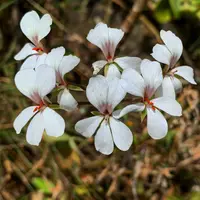
Pelargonium multibracteatum is a shrubby, scented pelargonium known for its divided, often aromatic leaves and clusters of small, delicate flowers. It typically has a compact, branching growth habit suitable for pots and sunny borders.
This species is native to parts of southern Africa, where it grows in dry, open habitats with well-drained soils. Its drought tolerance and moderate growth rate make it relatively straightforward for home growers who want to learn how to care for Pelargonium multibracteatum.
It prefers bright light, low to moderate moisture, and a gritty, free-draining potting mix. These traits make it better suited to dry indoor environments or outdoor containers than to very humid or poorly drained locations.

Care Difficulty
Moderate Care

Light Preference
Full Sun

Water Requirements
Moderate Water

Temperature Preference
Tropical / Frost Sensitive

Hardiness Zone
10–11

Soil Texture
Sandy, Loamy, Organic-rich

Soil pH
Slightly acidic (6.5–7.0), Neutral (7.0)

Soil Drainage
Well-drained

Fertilization
Light (every 4–6 weeks)
Scan your plant to receive care tips personalized for your specific plant
Available on iOS and Android
This drought-tolerant species thrives in bright, open conditions with plenty of direct sun.
This plant prefers drying out between waterings and is sensitive to prolonged wet soil.
This species grows best in warm, dry conditions and dislikes frost or prolonged chill.
This species handles typical indoor humidity but benefits from moderately dry air.
This plant prefers a light, sharply drained, slightly alkaline mix that dries quickly between waterings.
This species is well suited to container growing outdoors on patios, balconies, or sunny steps.
Light, balanced feeding supports compact growth and flowering in Pelargonium multibracteatum grown in containers.
Pruning helps maintain a compact, floriferous Pelargonium multibracteatum and encourages new shoots.
Container-grown Pelargonium multibracteatum benefits from occasional repotting to refresh soil and manage root crowding.
Pelargonium multibracteatum is most often propagated from stem cuttings for consistent, true-to-type plants.
Pelargonium multibracteatum is frost-sensitive and needs protection in regions with freezing winters.

Plant Health Check
Not sure what's wrong with your plant? Check your plant's health inside the app.
This species produces flower clusters where each umbel is surrounded by several conspicuous bracts, giving a layered, almost tiered look that differs from many commonly cultivated geraniums.
It is native to arid and semi-arid regions of East Africa, where it is adapted to strong light, seasonal drought, and rocky or well-drained soils.
Its finely divided leaves release a noticeable scent when touched, a trait linked to essential oil glands typical of the genus but with a leaf shape and aroma pattern characteristic of this species.
Lack of blooms usually comes from insufficient light, too much nitrogen fertilizer, or old, unpruned stems. Regular deadheading, moderate feeding with a balanced fertilizer, and avoiding deep shade encourage flowering and support growing Pelargonium multibracteatum effectively.
Keep your plants happy and healthy with plant identification, disease detection, and easy care guidance.