Dracaena francisii Care

About Dracaena francisii

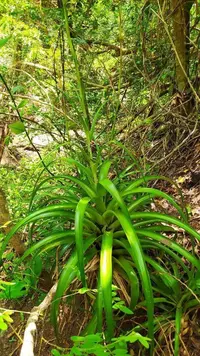
Dracaena francisii is a compact, shrubby dracaena with thick, cane-like stems and narrow leaves arranged in tufts along the stems. It forms a layered, architectural shape that suits modern interiors and small spaces.

This species likely originates from tropical East Africa, where it grows in warm, bright conditions with well-drained soils. Its slow to moderate growth rate, tolerance of typical indoor humidity, and relative drought resistance make it manageable for most indoor growers.

Light to bright shade, moderate watering, and a free-draining potting mix are usually enough to care for Dracaena francisii without major problems.

Main Plant Requirements

Care Difficulty

Moderate Care

Light Preference

Bright Indirect Light

Water Requirements

Moderate Water

Temperature Preference

Tropical / Frost Sensitive

Hardiness Zone

11–12

Soil Texture

Sandy, Loamy, Organic-rich

Soil pH

Acidic (5.5–6.5), Slightly acidic (6.5–7.0)

Soil Drainage

Well-drained

Fertilization

Light (every 4–6 weeks)

Get Personalized Care Plan

Scan your plant to receive care tips personalized for your specific plant

Available on iOS and Android

How to Care for the Dracaena francisii

This species prefers bright, indirect light that mimics high, open shade in its native habitat.

  • Provide 6–8 hours of bright, filtered light each day, such as near an east window or behind a sheer curtain with soft morning sun.
  • It tolerates partial shade, but growth slows and stems may stretch if kept in low light for long periods; move it gradually to a brighter spot if that occurs.
  • Avoid harsh midday or strong afternoon sun, which can scorch leaves and cause pale, dry patches, especially in summer; increase light in winter if days are very short.

Watering should maintain lightly moist but never saturated soil for healthy root function.

  • Allow the top 2–4 cm of soil to dry before watering, using a finger test rather than a fixed schedule, since rate of drying varies with light and temperature.
  • Use a free-draining mix and let excess water run out completely to reduce the risk of root rot, soft stems, or a sour smell from the potting medium.
  • In warmer, brighter months, it will usually need more frequent watering, while in cooler, darker periods intervals lengthen; dull, yellowing leaves often indicate overwatering and crispy tips suggest underwatering.

Stable, warm conditions support steady growth and reduce stress for this plant.

  • Aim for 65–80°F (18–27°C) for active growth; short exposures down to about 55°F (13°C) are usually tolerated but can slow metabolism and root activity.
  • Protect from cold drafts and frost, as tissue damage may occur below 50°F (10°C); move plants under shelter or indoors before night temperatures approach this level.
  • In hotter weather up to 90°F (32°C), provide light shade and good airflow to limit leaf scorch and heat stress, and avoid placing the plant next to heat sources or reflective glass.

This species manages well in typical indoor humidity but benefits from a slightly moist air environment.

  • Aim for 40–60% humidity; it tolerates occasional dips lower but long periods under 30% can stress foliage.
  • Crisp brown leaf tips and edges, plus slowed growth, suggest air is too dry around Dracaena francisii.
  • Increase humidity locally with a pebble tray under the pot, grouping plants, or using a small room humidifier.

This plant prefers a loose, airy, fast-draining mix that mimics a gritty, organic-rich forest floor.

  • Use a mix of roughly 50% all-purpose potting mix, 25% perlite or pumice, and 25% fine bark or coarse sand for structure.
  • Ensure the mix drains freely in seconds, not minutes, so roots receive oxygen and do not sit in stagnant water.
  • Keep pH slightly acidic to neutral, around 6.0–7.0, which supports nutrient availability without causing leaf burn or deficiency.
  • Avoid heavy clay-based mixes or pure compost that compact, stay wet for long periods, and promote root rot in Dracaena francisii.

This species adapts well to container growing for long-term display.

  • Choose a pot just 2–5 cm wider than the root mass to limit excess wet substrate and keep moisture levels predictable.
  • Select a stable, heavier container if stems become tall or slightly top-heavy to prevent tipping on balconies or patios.
  • Use a pot material that matches your environment: terracotta for drier, faster-drying conditions, glazed ceramic or plastic where moisture evaporates too quickly.

Nutrient needs are modest, but balanced feeding supports steady growth for Dracaena francisii in containers.

  • Use a balanced liquid fertilizer (around 10-10-10 or 20-20-20) diluted to 1/4–1/2 strength for indoor plants.
  • Apply every 4–6 weeks during spring and summer when growth is active.
  • Skip or reduce feeding to 1 light dose for the whole period in fall and winter.
  • Avoid heavy, salty fertilizers; flush the pot with plain water a few times per year to limit buildup.

Pruning helps maintain a compact form and removes weak growth on Dracaena francisii.

  • Carry out light pruning in late winter or early spring before active growth resumes.
  • Remove dead, yellowing, or damaged leaves and thin out crowded stems to improve light penetration.
  • Shorten overly tall canes above a node to control height and encourage branching.
  • Use clean, sharp scissors or pruners and make smooth cuts to reduce infection risk.

Container-grown Dracaena francisii benefits from occasional repotting to avoid root congestion.

  • Look for roots circling the pot, pushing through drainage holes, or noticeably slower growth as signs it needs a larger container.
  • Plan to repot every 2–3 years in spring, moving to a pot 2–5 cm wider with good drainage holes.
  • Gently loosen circling roots, remove some old compacted mix, and replant at the same soil level in fresh, well-drained medium.
  • Water thoroughly after repotting, then keep in bright, indirect light and slightly drier soil for 1–2 weeks to limit transplant shock.

New Dracaena francisii plants are most often produced from stem cuttings taken from healthy canes.

  • Take 8–12 cm tip or mid-stem cuttings in late spring or early summer, including at least 1–2 nodes.
  • Allow cut ends to dry for a few hours, then place in moist, well-drained mix or water, keeping nodes slightly buried.
  • Maintain warmth around 70–80°F, bright indirect light, and high humidity (50–70%) to encourage rooting.
  • Transplant rooted cuttings to small pots, keeping the mix just moist until new leaf growth confirms establishment.

In mild indoor conditions, winter needs are simple, but outdoor Dracaena francisii is sensitive to frost and prolonged cold.

  • Keep plants above 55°F; avoid exposure to freezing temperatures or cold drafts near doors and windows.
  • Move container plants indoors or into a heated greenhouse before nights drop near 40°F.
  • Water less in winter, letting the top 3–5 cm of mix dry out to prevent root rot in cool conditions.
  • For outdoor specimens in warm climates, add a light mulch layer around the root zone, keeping it away from the stem base.

Care Tips

Rotate For Symmetry

Turn the pot 90° every 2–3 weeks to keep the canes growing upright and evenly spaced instead of leaning toward the light source.

Stabilize Layered Canes

If the stacked cane structure becomes wobbly, insert a slim bamboo stake through the center of the root zone and loosely tie the canes at 2–3 points to prevent stress at the base.

Encourage Bushier Tops

When a stem becomes too tall and sparse, cut it just above a node and root the top cutting separately, which will also stimulate new side shoots from the original stem.

Clean Foliage Safely

Wipe leaves every 4–6 weeks with a damp, soft cloth and plain water to remove dust, which improves light capture and allows early detection of scale or spider mites when caring for Dracaena francisii.

Check Cane Firmness

Gently squeeze the canes every few months; if they feel soft or wrinkled, inspect roots for rot or severe underwatering and correct the issue before the structural damage becomes irreversible.

Common Pests and Diseases

Spider mites

This pest causes fine stippling on leaves, dull or bronze foliage, and delicate webbing between leaf bases and stems, especially in dry indoor air. Symptoms include slow decline and increased leaf drop if the infestation is not controlled.

Solution

Rinse stems and leaves thoroughly with lukewarm water, including the tight leaf clusters along the canes, then repeat weekly until activity stops. Raise humidity slightly, avoid placing the plant above heating vents, and use an insecticidal soap or horticultural oil labeled for spider mites, making sure to coat leaf undersides and crevices thoroughly.

Dracaena leaf spot

This disease produces small tan, brown, or dark purple spots with yellow halos on the narrow leaves, which can merge into larger dead patches along the leaf blade. Symptoms include premature leaf drop and an overall untidy appearance while new growth stays mostly green at first.

Solution

Remove and discard affected leaves, keeping the leaf clusters more open so air can move between them. Water at the soil level, keep leaves dry, and if the problem persists, apply a copper-based or other dracaena-safe fungicide following label directions, while avoiding overwatering and prolonged leaf wetness.

Soft scale

These insects appear as small, smooth, dome-shaped bumps along stems and at leaf bases, often coated in sticky honeydew. Symptoms include sooty black mold growing on the honeydew, weak new growth, and reduced vigor in the stacked rosettes along the canes.

Solution

Wipe stems and leaf bases with a soft cloth or cotton pad dipped in diluted alcohol, removing all visible bumps. Then use an insecticidal soap or light horticultural oil, repeating every 7–10 days for several cycles, and isolate the plant from others while monitoring for re-infestation as part of ongoing Dracaena francisii care.

Fusarium stem blight

This disease can cause sunken, discolored streaks or patches on the canes, often starting near old leaf scars, along with wilting or dieback of the leaf rosettes above the affected area. Symptoms include one or more stems shriveling while other parts of the plant remain healthy at first.

Solution

Cut out and discard affected stem sections well below visible damage using sterile tools, and avoid reusing contaminated pots or mix. Improve drainage, reduce watering frequency, and keep the plant in bright, indirect light; in early cases, a drench with a dracaena-safe fungicide may help limit spread.

Mealybugs

These insects form white, cottony clusters in the tight leaf whorls and around nodes, sucking sap and weakening the slow-growing stems. Symptoms include sticky residue, distorted new leaves, and slow decline of affected rosettes if populations build up in the plant’s crevices.

Solution

Physically remove visible colonies with cotton swabs dipped in alcohol, then rinse the plant gently to flush pests from leaf bases and joints. Follow up with repeated applications of insecticidal soap or a light horticultural oil, carefully targeting the layered leaf attachments where mealybugs hide, and isolate the plant until no new insects appear.

Interesting Facts

Stout, cane-like stems

This species develops short, thick, jointed stems with tight leaf clusters, giving it a compact, almost bamboo-like appearance rather than the tall, tree-like form seen in many other dracaenas.

Distinct leaf banding

Its narrow, arching leaves typically show muted green tones with subtle banding and a slightly leathery texture, an adaptation that helps reduce water loss in its native drier habitats.

Slow, structural growth

The plant is naturally slow-growing and tends to build dense, layered rosettes over time, creating a sculptural, tiered form that changes very gradually year to year.

FAQs about Dracaena francisii

Growth is generally slow to moderate. In average indoor conditions, expect around 5–10 cm of new stem per year. Warmer temperatures, bright indirect light, and steady nutrition can push growth toward the upper end of that range.

Grow Healthy Plants with Botan Care

Keep your plants happy and healthy with plant identification, disease detection, and easy care guidance.

Botan plant care app — identify plants on mobile

Explore More Plants