Dracaena bacularis Care

Dracaena bacularis

About Dracaena bacularis

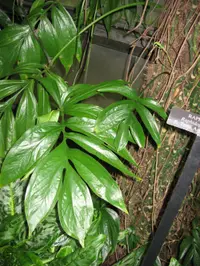
Dracaena bacularis is a compact, cane-forming dracaena grown mainly as an indoor foliage plant. It develops slender, upright stems topped with narrow, grass-like leaves, giving a tidy, architectural look. Native to tropical regions of Africa, it is adapted to warm, bright conditions but usually tolerates typical home environments well.

This species grows slowly and stays relatively narrow, so it suits desks, shelves, and small floor spaces. Its tolerance of occasional missed waterings and moderate light levels makes it suitable for beginners learning how to care for Dracaena bacularis. It generally prefers bright, indirect light, a free-draining potting mix, and watering that allows the top of the soil to dry slightly between waterings.

Main Plant Requirements

Care Difficulty

Easy Care

Light Preference

Bright Indirect Light

Water Requirements

Moderate Water

Temperature Preference

Tropical / Frost Sensitive

Hardiness Zone

10–12

Soil Texture

Loamy, Sandy, Organic-rich

Soil pH

Acidic (5.5–6.5), Slightly acidic (6.5–7.0)

Soil Drainage

Well-drained

Fertilization

Light (every 4–6 weeks)

Get Personalized Care Plan

Scan your plant to receive care tips personalized for your specific plant

Available on iOS and Android

How to Care for the Dracaena bacularis

This species prefers bright, indirect light and copes well with typical home or office conditions.

  • Provide 6–8 hours of bright, filtered light each day, such as near an east- or north-facing window with sheer curtains.
  • Tolerates partial shade and can sit several feet from a window, but growth slows and stems may stretch if light stays low for many weeks.
  • Avoid strong midday or afternoon sun, which can scorch leaves; in summer, move Dracaena bacularis slightly back from south- or west-facing glass.

Watering should aim for lightly moist, never soggy, soil to protect the roots.

  • Let the top 3–5 cm of soil dry before watering, then water thoroughly so excess drains away and the root zone is evenly moistened.
  • In spring and summer, this may mean watering every 7–14 days; in fall and winter, allow more time between waterings as growth slows.
  • Watch the leaves: yellowing and soft stems suggest overwatering, while brown, crispy tips and folding leaves indicate the plant stayed too dry.

Stable, warm temperatures support steady growth and reduce stress for this plant.

  • Aim for 65–80°F (18–27°C) for best growth, with only small daily swings and good air circulation around the foliage.
  • Avoid exposing the plant to temperatures below 55°F (13°C), as prolonged chill can cause leaf drop and root damage.
  • Protect from frost and from hot drafts above 90°F (32°C), such as near heaters or car dashboards, which can scorch or desiccate leaves.

This species handles typical indoor humidity but benefits from slightly raised levels.

  • Aim for 40–60% humidity, as very dry air can slow growth and crisp leaf tips.
  • Dry, heated rooms are usually tolerated, but prolonged air below 30% may cause brown edges and finer tip dieback.
  • Increase humidity locally with a nearby water tray or grouping plants, rather than misting leaves heavily.

This dracaena prefers a loose, well-aerated mix that drains quickly yet holds modest moisture.

  • Use a peat- or coco-based potting mix amended with 20–30% perlite and some fine bark for structure and air spaces.
  • Target a slightly acidic to neutral pH around 6.0–7.0, which supports balanced nutrient uptake and root function.
  • Avoid heavy garden soil, clay-rich mixes, or those that stay wet, as these promote root rot and oxygen-poor conditions.
  • If water pools on the surface or the pot feels heavy long after watering, add more perlite or bark to improve drainage.

This species is well suited to container culture for both homes and offices.

  • Choose a pot that is slightly taller than wide so the narrow root system has depth without excessive unused volume.
  • Use a stable, heavier container if the canes grow tall, to reduce the risk of tipping when the substrate is dry.
  • Select pot materials with moderate moisture retention, such as ceramic or thick plastic, to buffer against rapid drying in heated rooms.

Light, consistent feeding supports healthy foliage and root growth in Dracaena bacularis without forcing soft, weak tissue.

  • Use a balanced liquid fertilizer around 10-10-10 or 20-20-20, diluted to 1/4–1/2 strength for container plants.
  • Feed every 4–6 weeks during the active growing season in spring and summer only.
  • Skip or greatly reduce feeding in fall and winter when growth slows.
  • Avoid heavy compost or thick organic topdressings that can stay wet and increase root rot risk in pots.

Pruning helps maintain size, shape, and foliage quality while keeping Dracaena bacularis structurally sound.

  • Carry out most pruning in late winter or early spring, just before active growth starts.
  • Cut out dead, diseased, or damaged stems first, then remove crowded or crossing shoots.
  • Shorten overly tall canes above a node to encourage branching and a fuller silhouette.
  • Use sharp, clean bypass pruners or scissors, disinfecting blades between plants to limit disease spread.

Thoughtful repotting keeps root systems healthy and supports steady growth in container-grown Dracaena bacularis.

  • Check for roots circling the pot, pushing through drainage holes, or very slow top growth as cues to repot.
  • Plan to move the plant to a new pot every 2–3 years in spring, when conditions favor recovery.
  • Choose a container 2–5 cm wider with drainage holes and a free-draining, peat-free or peat-reduced indoor mix.
  • Loosen circling roots gently, keep the root ball slightly firm, water thoroughly after potting, then keep out of strong sun for 3–5 days.

Vegetative propagation allows cloning of healthy Dracaena bacularis plants for backup or sharing.

  • Use stem cuttings taken in late spring or early summer from firm, healthy canes.
  • Cut 8–15 cm pieces with several nodes, remove lower leaves, and allow cut ends to dry for a few hours.
  • Root in barely moist, free-draining mix or water at 70–80°F with bright, indirect light and high humidity.
  • Once new roots reach 3–5 cm and fresh leaf growth appears, pot into small containers and acclimate gradually.

This species is frost-sensitive and needs sheltered winter conditions, especially in cool climates.

  • Keep plants above 55°F; avoid exposure to frost, freezing winds, or cold drafts near windows or doors.
  • Move containers indoors before nighttime temperatures drop below 50°F, providing bright, indirect light.
  • Reduce watering in winter, letting the top 3–5 cm of mix dry, since root activity and evaporation slow.
  • In mild climates, use a light mulch over the root zone of in-ground plants to buffer short cold spells.

Care Tips

Quarter-turn rotation

Rotate the pot about 90° every 2–3 weeks so the canes develop evenly and do not lean strongly toward the light, which keeps the plant upright and the leaf rosettes symmetrical.

Cane height management

If canes become too tall and bare at the base, cut them back with sterile, sharp pruners above a node and root the top cuttings in water or moist substrate to create a fuller multi-stemmed plant over time.

Support for new canes

Use a slim stake and soft plant ties to gently support freshly rooted or very thin canes until their root system thickens, then remove the support to allow normal, self-supporting growth.

Salt buildup control

Every 2–3 months, flush the potting mix thoroughly with clean, room-temperature water until it runs freely from the drainage holes to reduce fertilizer salt buildup that can burn the narrow roots.

Preventing leaf spotting

Wipe the narrow leaves with a barely damp, soft cloth every 4–6 weeks to remove dust, which lowers the risk of fungal spotting and improves light capture when caring for Dracaena bacularis.

Common Pests and Diseases

Dracaena marginata mealybug

This pest commonly settles in leaf axils and along the cane, sucking sap and causing yellowing, stunted growth, and sticky honeydew deposits.

Solution

Isolate the plant, then dab visible insects with cotton swabs dipped in 70% isopropyl alcohol and gently wipe leaf axils and stems; repeat weekly and use a light horticultural oil spray to reach hidden colonies while improving air movement around the plant and avoiding overfertilizing, which encourages outbreaks.

Fusarium leaf spot

This disease causes small, water-soaked spots on leaves that enlarge into tan or brown lesions, often with a purple or reddish margin along the long, narrow foliage.

Solution

Remove and discard affected leaves, keep foliage dry by watering at the soil level, increase air circulation, and if spread continues, apply a copper-based or other registered fungicide labeled for ornamental dracaena, following label directions carefully.

Soft scale

These insects form flat or dome-shaped bumps on stems and leaf midribs, producing honeydew that leads to sooty black mold on the narrow leaves.

Solution

Gently scrape or wipe off scales with a soft cloth or toothbrush, then treat stems and leaf midribs with a horticultural oil or insecticidal soap, repeating every 7–10 days until new growth appears clean and monitoring regularly as part of Dracaena bacularis plant care.

Dracaena spider mite complex

These pests thrive in warm, dry indoor air, causing fine stippling, dull leaves, and delicate webbing, particularly along the undersides of the narrow blades.

Solution

Shower the plant thoroughly with lukewarm water to wash off mites, then maintain higher humidity around the plant, and use insecticidal soap or a miticide labeled for indoor ornamental use on both leaf surfaces, repeating treatments as needed while keeping the plant out of hot, direct sun during recovery.

Interesting Facts

True cane dracaena

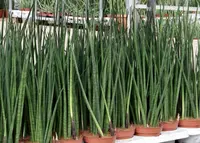
This species develops a single, upright, bamboo-like cane with leaves clustered at the top, rather than forming multiple branched heads like many other Dracaena species.

Naturally compact growth

In cultivation it remains notably narrower and more columnar than common relatives, which makes it suitable for tight indoor spaces and architectural, vertical accents.

Distinct leaf arrangement

Its linear leaves are borne in a tighter, more erect rosette around the stem, giving a more minimalist, almost grass-like silhouette compared with broader-leaved dracaenas.

FAQs about Dracaena bacularis

Brown tips usually come from low humidity, excess fertilizer salts, or fluoride/chlorine in tap water. Flush the pot occasionally, use filtered or rested water, maintain moderate humidity, and avoid overfertilizing to reduce further browning.

Grow Healthy Plants with Botan Care

Keep your plants happy and healthy with plant identification, disease detection, and easy care guidance.

Botan plant care app — identify plants on mobile

Explore More Plants