White frangipani Care (Plumeria obtusa)

Also known as: White Frangipani
White frangipani

About White frangipani

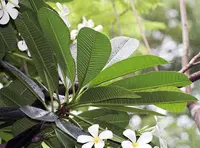
White frangipani, Plumeria obtusa, is a tropical flowering tree known for its glossy evergreen leaves and strongly scented white flowers with yellow centers. It grows as a compact small tree or large shrub with a rounded crown, often used in warm-climate gardens and containers.

This species is native to the Caribbean and parts of Central America, but is widely planted in tropical and subtropical regions worldwide. It prefers bright, direct sun, warm temperatures, and sharply drained soil, so overwatering is a common problem.

With the right light and a careful watering routine, it is relatively straightforward to care for White frangipani, especially in frost-free areas or protected containers that can be moved indoors in cooler climates.

Main Plant Requirements

Care Difficulty

Moderate Care

Light Preference

Full Sun

Water Requirements

Low Water

Temperature Preference

Tropical / Frost Sensitive

Hardiness Zone

10–12

Soil Texture

Sandy, Loamy, Organic-rich

Soil pH

Slightly acidic (6.5–7.0), Neutral (7.0)

Soil Drainage

Well-drained

Fertilization

Light (every 4–6 weeks)

Get Personalized Care Plan

Scan your plant to receive care tips personalized for your specific plant

Available on iOS and Android

How to Care for the White frangipani

This species needs strong light to flower and grow compactly.

  • Provide 6–8 hours of direct sun daily; morning and late-afternoon sun are ideal, with light midday shade in very hot regions.
  • White frangipani tolerates light partial shade (around 4–5 hours of direct sun), but flowering and branching are reduced.
  • Watch for pale, stretched growth in low light and leaf scorch or crisped edges in intense all-day sun, especially during midsummer.

Plumeria obtusa prefers thorough but infrequent watering in sharply drained soil.

  • Water only when the top 3–5 cm of soil are completely dry; soak deeply, then allow excess to drain away.
  • In spring and summer, expect more frequent watering; in fall and winter, reduce sharply, especially if growth slows or leaves drop.
  • Yellowing, soft leaves and blackened stems suggest overwatering, while wrinkled, limp leaves and dry, brittle tips indicate the plant needs water.

This tropical species thrives in consistently warm, frost-free conditions.

  • Aim for 70–90°F (21–32°C) during active growth for best flowering and leaf production.
  • Growth slows below about 60°F (16°C); protect plants if temperatures approach 40°F (4°C), as tissue damage can occur.
  • The plant tolerates brief highs up to 100°F (38°C) if roots are mulched and soil is not waterlogged, but it is very sensitive to any frost.

This species prefers moderately humid air but adapts to many home conditions.

  • Aim for 40–60% humidity; average indoor levels usually suit White frangipani without special equipment.
  • Tolerates drier air if soil moisture is stable, but prolonged very dry air can crisp leaf edges.
  • Humidity stress shows as browning tips and stalled growth; group plants or use a pebble tray to raise humidity slightly.

Plumeria obtusa grows best in very free-draining, slightly gritty soil that still holds moderate moisture.

  • Use a cactus-style mix: 40% coarse sand or grit, 30% perlite or pumice, 30% organic matter such as composted bark or coco coir.
  • Soil should be loose and airy so water drains through in seconds, preventing root rot and keeping oxygen around the roots.
  • Aim for slightly acidic to neutral pH around 6.0–7.0, avoiding strongly acidic or chalky conditions that can block nutrient uptake.
  • Improve drainage in heavy mixes by increasing coarse mineral components and avoiding dense garden soil or fine peat alone.

This species is well suited to container growing when the pot supports its heavy, top‑weighted structure.

  • Choose a wide, weighty container to prevent tipping as the canopy becomes larger and more wind-exposed.
  • Select a pot depth that allows a broad root zone but avoids excessive volume that would keep the mix wet for too long.
  • Use slightly porous materials like unglazed clay if outdoor conditions are humid, to help moisture leave the root zone efficiently.

Plumeria obtusa benefits from targeted feeding during its active growing season for reliable flowering.

  • Use a balanced or slightly phosphorus-leaning liquid or slow-release fertilizer at 1/2 strength for container plants.
  • Feed every 2–4 weeks in spring and summer when growth and flowering are strong, especially for White frangipani in pots.
  • Skip compost-heavy mixes that stay wet; instead, apply fertilizer to already-moist, free-draining soil.
  • Stop or greatly reduce feeding in fall and winter when the plant is semi-dormant and growth slows.

Pruning Plumeria obtusa helps manage size, improve structure, and maintain flowering wood.

  • Prune in late winter or very early spring, before strong new growth, in warm climates without frost risk.
  • Remove dead, diseased, crossing, or storm-damaged branches first using clean, sharp bypass pruners or a pruning saw.
  • Shorten overly long or leggy branches to outward-facing buds to encourage branching and a balanced, open canopy.
  • Avoid cutting very thick trunks unless necessary; multiple small cuts heal better and reduce rot risk at wounds.

Container-grown Plumeria obtusa and young landscape trees benefit from occasional transplanting to maintain healthy roots.

  • Check for roots circling the pot, pushing through drainage holes, or slow growth as signs the plant needs more space.
  • Plan repotting or transplanting in late spring to early summer, once nights stay consistently warm and soil drains well.
  • Shift containers 1–2 in wider every 2–3 years, using a coarse, gritty mix to limit waterlogging and support aeration.
  • Handle the rootball gently, loosen only tight circling roots, water lightly after planting, and shade for a few days to reduce stress.

Plumeria obtusa is commonly propagated from semi-hardwood stem cuttings for consistent flower and growth traits.

  • Take 15–30 cm cuttings in late spring to midsummer from healthy, non-flowering stems.
  • Let cut ends dry and callus for 5–7 days in a shaded, airy place before planting to reduce rot risk.
  • Insert cuttings into a very well-drained mix of coarse sand and perlite, keeping the base slightly firm but not buried deeply.
  • Maintain warm temperatures around 75–85°F, bright indirect light, and very light moisture until firm roots form in several weeks.

Plumeria obtusa is frost-tender and needs specific winter management in regions below about 40°F.

  • In-ground plants in mild climates benefit from a 5–8 cm mulch layer over the root zone, kept away from the trunk.
  • Move container plants indoors or into a heated greenhouse before the first frost, providing bright light and minimal water.
  • Allow deciduous plants to rest cool and dry, keeping temperatures ideally above 50°F to avoid stem damage and rot.

Care Tips

Root zone warming

In cooler climates, use dark-colored pots or place the container near a south-facing wall to keep the root zone warmer and encourage stronger seasonal growth when growing White frangipani outdoors.

Salt buildup management

Flush the pot thoroughly with plain water every 2–3 months during the growing season to wash out accumulated fertilizer salts that can burn leaf edges and stunt new growth.

Branch spacing control

When the plant forks after flowering, selectively remove crowded inner branches so remaining branches are spaced 10–15 cm apart, which improves airflow and reduces fungal issues on thick, leathery leaves.

Wind-safe staking

In windy areas, install a sturdy stake and use soft, wide ties placed in a loose figure-eight to support the main trunk and prevent snapping of brittle, succulent branches during storms.

Dormancy protection

Before winter dormancy in cooler regions, inspect and remove any soft or damaged tissue, then store container plants in a dry, frost-free space with good air circulation to prevent rot while the plant is leafless.

Common Pests and Diseases

Plumeria rust

This disease causes yellow speckling on upper leaf surfaces and orange powdery pustules on the undersides, leading to premature leaf drop. Symptoms include rapid defoliation in warm, humid conditions.

Solution

Remove and dispose of affected leaves, including fallen ones, to reduce spore spread, and avoid overhead watering to keep foliage dry. Improve air circulation around the plant and apply a sulfur or copper-based fungicide labeled for ornamental rusts at the first signs of infection, repeating as directed until new growth is clean.

Stem and tip rot

This disease causes dark, soft, collapsing areas on branch tips or along stems, often following mechanical damage or cold stress. Symptoms include blackened, mushy tissue that can spread down the branch if not removed.

Solution

Cut back affected stems into firm, healthy wood using sterile tools, and discard all infected material. Keep the plant in a warm, dry position, avoid watering onto stems, and use a systemic fungicide labeled for ornamental stem rots if the problem continues to advance.

Frangipani caterpillars

These insects chew large holes in leaves and can defoliate branches quickly, often appearing in groups on the same plant. This pest is most active in warm weather and may leave frass (droppings) on leaves and around the base.

Solution

Hand-pick caterpillars and drop them into soapy water, and prune heavily infested leaves or small branches if necessary. For larger infestations, use a targeted biological control product containing Bacillus thuringiensis (Bt) on young caterpillars, following label directions and reapplying after rain.

Spider mites

This pest causes fine speckling, dulling, and bronzing of leaves, often with delicate webbing between leaf stems and along veins, especially in hot, dry conditions. Symptoms include leaf drop when populations become high.

Solution

Rinse foliage thoroughly with a firm stream of water, including leaf undersides, and repeat every few days to disrupt mite populations. Increase ambient humidity slightly, isolate the plant from heavily infested neighbors, and apply a horticultural oil or insecticidal soap labeled for mites, ensuring full coverage of leaf undersides.

Mealybugs

These insects appear as white, cottony clusters on stems, leaf joints, and roots, feeding on sap and excreting sticky honeydew that can attract sooty mold. Symptoms include distorted new growth, leaf yellowing, and slowed growth.

Solution

Dab visible insects with cotton swabs dipped in isopropyl alcohol and wipe them off, then rinse the plant to remove residue and honeydew. For ongoing infestations, use repeated applications of insecticidal soap or a light horticultural oil, and inspect regularly, as Plumeria obtusa plant care often requires early mealybug detection on new growth and stem joints.

Interesting Facts

Thick, rounded leaves

This species has distinctly thick, rounded, and glossy evergreen leaves, unlike many other plumerias that drop their foliage in the dry season, which helps it tolerate higher light and coastal exposure.

Strongly nocturnal fragrance

The flowers release a particularly strong, sweet fragrance in the evening and at night, which is linked to attracting nocturnal pollinators such as moths in its native tropical range.

Narrow native range

Although widely planted in warm regions worldwide, this species is naturally native to a relatively limited area in the western Caribbean and surrounding tropical Americas, where it grows in coastal scrub and limestone habitats.

Botan icon

Did you know?

In many Caribbean and tropical coastal cities, this species has become a common street and courtyard tree because its dense, dome-shaped canopy and prolonged flowering season provide both shade and ornamental value with less seasonal leaf drop than most other plumerias.

FAQs about White frangipani

Poor flowering usually comes from insufficient light, cool temperatures, or nutrient imbalance, especially too much nitrogen and too little phosphorus. Mature wood blooms best, so young or recently pruned plants may need time before flowering improves.

Grow Healthy Plants with Botan Care

Keep your plants happy and healthy with plant identification, disease detection, and easy care guidance.


Botan plant care app — identify plants on mobile

Explore More Plants