


Staggered Succession Sowing
Sow small batches of seed every 2–3 weeks in late spring and early summer so flowering is spread over a longer period and you always have some plants at peak bloom.

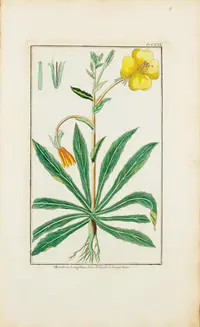
Long-flowered evening-primrose, Oenothera longiflora, is a perennial wildflower known for its tall, slender stems and narrow, tubular white flowers that open at night. The blooms often age to pink by morning, attracting nocturnal pollinators such as moths.
This species is native to dry, open habitats of the central and southwestern United States, where it copes well with heat, wind, and low rainfall. Its drought tolerance and preference for well-drained, sandy or gravelly soil make it suited to xeriscapes and naturalistic plantings.
Gardeners who care for Long-flowered Evening-primrose usually find it undemanding if provided with full sun and relatively lean soil, though it may self-seed and move around a planting over time.

Care Difficulty
Easy Care

Light Preference
Full Sun

Water Requirements
Low Water

Temperature Preference
Warm Climate

Hardiness Zone
6–9

Soil Texture
Sandy, Loamy, Rocky

Soil pH
Slightly acidic (6.5–7.0), Neutral (7.0)

Soil Drainage
Well-drained

Fertilization
Minimal (feed rarely)
Scan your plant to receive care tips personalized for your specific plant
Available on iOS and Android
This species thrives in strong sun typical of open, dry habitats.
This plant prefers dry, fast-draining conditions and is sensitive to prolonged wet soil.
This species is adapted to warm, dry climates with hot summers and cool to cold winters.
This species is adapted to arid climates, so humidity is rarely a concern indoors or outdoors.
This plant prefers lean, fast-draining soil that mimics dry, open habitats.
This species can be grown in containers if the pot is prepared for its deep, drought-adapted root system.
This drought-tolerant wildflower needs only light feeding in average garden soil.
Pruning supports bloom performance and keeps Oenothera longiflora tidy in garden settings.
This species is usually grown in the ground and resents frequent disturbance due to its deep root system.
Propagation of Oenothera longiflora is most practical from seed, with occasional division in young clumps.
This perennial is fairly cold hardy in much of its range and often needs minimal winter care.

Plant Health Check
Not sure what's wrong with your plant? Check your plant's health inside the app.
This species is primarily pollinated by long-tongued hawkmoths that visit at night, which matches its very long floral tube and pale, night-visible petals.
The flowers open in the evening and release a strong sweet scent after dusk, timed to attract nocturnal pollinators rather than day-flying insects.
The plant is naturally found in dry habitats of the south-central United States, including sandy prairies and desert grasslands, where it tolerates high heat and low rainfall.

Long-flowered evening-primrose has one of the longest floral tubes in its genus, an adaptation that closely matches the long proboscis of its hawkmoth pollinators and helps restrict access to only a narrow group of insects.
This species is primarily pollinated by nocturnal moths, which are attracted to its long, pale, night-opening flowers and strong evening scent. Bees and other insects may visit occasionally but are usually less important than night-flying moths.
Keep your plants happy and healthy with plant identification, disease detection, and easy care guidance.

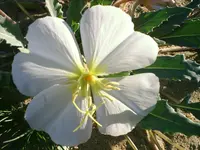
birdcage evening primrose
Oenothera deltoides
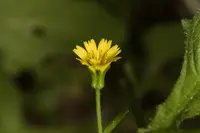
Edible Star-hawkbit
Rhagadiolus edulis
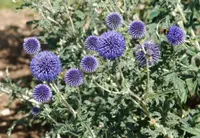
southern globethistle
Echinops ritro
Christmas orchid
Cattleya trianae
crownleaf evening primrose
Oenothera coronopifolia
Purpleleaf Dollsrose
Hermannia depressa
 POPULAR
Spoon-Leaved Sundew
Drosera spatulata
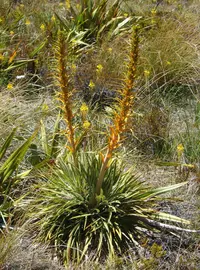
giant speargrass
Aciphylla colensoi