parrot pitcherplant Care (Sarracenia psittacina)

parrot pitcherplant

About parrot pitcherplant

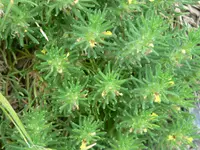
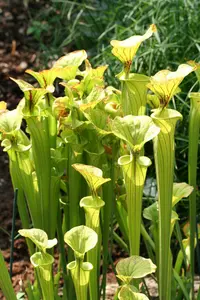
Sarracenia psittacina, commonly called the parrot pitcher plant, is a small, ground-hugging carnivorous plant from the wetlands of the southeastern United States. It naturally grows in open, sunny bogs with consistently wet, nutrient-poor soils.

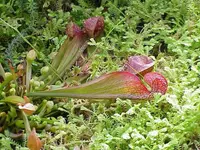
Its low rosettes form colorful, tubular leaves that lie close to the soil surface, trapping small insects in water-filled cavities. The pitchers often show red, green, and patterned markings that become stronger in high light.

This species is adapted to high light, wet conditions, and acidic, low-mineral substrates, so it resents drying out or mineral-rich tap water. Once these basic needs are understood, it is relatively straightforward to care for Sarracenia psittacina over the long term.

Main Plant Requirements

Care Difficulty

Moderate Care

Light Preference

Full Sun

Water Requirements

Aquatic

Temperature Preference

Cool Climate

Hardiness Zone

7–10

Soil Texture

Sandy, Peaty, Organic-rich

Soil pH

Strongly acidic (4.5–5.5)

Soil Drainage

Waterlogged tolerant

Fertilization

Minimal (feed rarely)

Get Personalized Care Plan

Scan your plant to receive care tips personalized for your specific plant

Available on iOS and Android

How to Care for the parrot pitcherplant

This low-growing pitcher plant needs very bright conditions to color well and maintain strong traps.

  • Provide 6–10 hours of direct sun daily; full sun is ideal, especially morning to early afternoon exposure in open, boggy sites.
  • Tolerates light afternoon shade in hot climates, but sustained shade causes weak, floppy pitchers and dull color in Sarracenia psittacina.
  • In winter, outdoor plants accept lower sun angles and shorter days; avoid placing in deep shade or under dense evergreen cover year-round.

This species is a true bog plant and must never be allowed to dry out at the root zone.

  • Keep the root area constantly wet with low-mineral water; standing in 2–5 cm of water during the growing season is ideal for healthy pitchers.
  • Use a peat-based, free-draining bog mix; if the surface ever feels spongy-dry or pitchers start to wilt or wrinkle, increase water depth or frequency.
  • Reduce water depth slightly in winter dormancy but keep the soil saturated; blackening rhizomes suggest rot from stagnant, warm water or mineral buildup.

This plant is adapted to warm, humid climates with a cool winter dormancy period.

  • Aim for 70–85°F (21–29°C) in the main growing season; short heat spikes to 95°F (35°C) are tolerated if roots stay wet and air is not extremely dry.
  • During winter dormancy, allow cooler conditions around 35–50°F (2–10°C); brief light frosts are tolerated if the soil stays wet and does not freeze solid.
  • Avoid prolonged exposure below 25°F (-4°C) without protection and above 100°F (38°C) in stagnant air, which can scorch pitchers and stress Sarracenia psittacina.

This species benefits from consistently moist air but adapts to typical household humidity if roots stay wet.

  • Aim for 50–70% humidity, especially in warm weather or when air movement is high.
  • Tolerates brief drier air, but pitchers may brown at the tips and trap fewer insects when humidity stays low.
  • Increase humidity with nearby water trays or grouped bog plants, avoiding enclosed terrariums that restrict airflow.

This carnivorous bog species needs permanently wet, nutrient-poor, acidic soil with a loose, airy structure.

  • Use a mix such as 1:1 sphagnum peat moss and silica sand, or peat with perlite, to create a fine, open, moisture-retentive medium.
  • Maintain constant saturation but allow excess water to drain freely so the mix is wet, not stagnant and foul smelling.
  • Target an acidic pH around 4.5–5.5, and never add compost, manure, regular potting mix, or fertilizers to the substrate.
  • Rinse sand and perlite before use to remove residues, which helps protect sensitive Sarracenia psittacina roots from mineral buildup.

This species is well suited to container culture that mimics a shallow bog.

  • Select a relatively wide, shallow pot to accommodate spreading rhizomes and surface roots while maintaining a broad wet zone.
  • Use a light-colored plastic or glazed container to reduce overheating and slow evaporation in full sun exposure.
  • Stand the pot in a tray of rainwater or distilled water to keep the entire root zone saturated without relying on top-watering.

Nutrient-poor conditions suit Sarracenia psittacina, so artificial fertilizer is normally unnecessary and can be harmful.

Light, seasonal pruning keeps Sarracenia psittacina tidy and reduces disease risk.

  • In late winter or very early spring, remove all brown, mushy, or dried pitchers at the base using clean, sharp scissors.
  • During the growing season, trim only clearly dead or collapsing traps, leaving healthy pitchers to photosynthesize and capture prey.
  • Cut flower stalks at the base after seed ripens if you want the plant to redirect energy to rhizome growth.
  • Avoid cutting into firm green tissue, as this reduces leaf area and can weaken the plant over time.

Container-grown plants benefit from occasional repotting to refresh acidic, nutrient-poor media and prevent compaction.

  • Check for roots circling the pot, reduced pitcher size, or water sitting on top of the mix as signs Sarracenia psittacina needs repotting.
  • Repot every 2–3 years in late winter before new growth, using a mix such as 1:1 sphagnum peat and perlite or sand, with no added fertilizer.
  • Water thoroughly with rainwater or distilled water before and after repotting to settle the mix and reduce root stress.
  • Handle the rhizome gently, keeping roots spread, and avoid breaking live pitchers; keep the crown just at or slightly above the media surface.

Division is the most practical method for home propagation, while seed is mainly used for breeding and larger-scale growing Sarracenia psittacina.

  • Divide mature clumps in late winter, when the plant is dormant and pitchers are minimal.
  • Gently separate rhizomes, ensuring each division has several healthy growth points and roots.
  • Replant divisions into fresh carnivorous plant mix, keep evenly moist with low-mineral water, and provide bright light with some shelter until established.
  • For seed, provide several weeks of cold stratification at 35–45°F, then sow on the surface of moist peat-based mix under high light.

This species needs a cool winter dormancy but still benefits from some protection in colder regions.

  • In USDA zones 7–9, Sarracenia psittacina can usually stay outdoors, provided soil remains consistently damp and does not freeze solid.
  • In colder zones or exposed sites, move pots into an unheated garage, cold frame, or sheltered porch where temperatures stay roughly 30–45°F.
  • Mulch around outdoor containers with pine needles or leaves to insulate the root zone while keeping the crown above heavy mulch.
  • Do not keep plants warm and actively growing indoors all winter, as this weakens the rhizome over time.

Care Tips

Shallow water trays

Use a wide, shallow tray with 1–3 cm of rain, distilled, or reverse-osmosis water so the plant can spread its stolons and roots laterally without risking crown rot in deep standing water.

Winter dormancy setup

In cooler regions, move pots to an unheated but frost-free space around 35–50°F with bright light in late fall, reduce water depth but keep the medium damp, and remove only dead, blackened pitchers to support proper dormancy.

Bog-style containers

Use a broad, low container or mini-bog with several plants and no drainage holes, creating a stable, cool, wet root zone that mimics natural seepage bogs and reduces stress from rapid drying.

Algae and moss control

If algae or moss smothers the surface, gently scrape off the top 0.5–1 cm of medium and replace it with fresh sphagnum peat or long-fiber sphagnum to keep growth points exposed to light and air.

Outdoor insect access

During the growing season, place plants outdoors where small insects are naturally present, avoiding fine insect netting or screens directly over the pot, since reliable prey access is more useful than supplemental fertilizer when growing Sarracenia psittacina.

Common Pests and Diseases

Aphids

These insects cluster on young pitchers and flower stalks, sucking sap and causing distortion, sticky residue, and weak growth. This pest can interfere with proper pitcher development and reduce the plant’s ability to photosynthesize efficiently.

Solution

Rinse pitchers and flower stalks thoroughly with a strong but controlled stream of water, repeating every few days until populations drop. For heavier infestations, use a dilute insecticidal soap or horticultural oil labeled for use on carnivorous plants, applied in the evening and followed by good air circulation to help leaves dry quickly.

Spider mites

These pests thrive in hot, dry conditions and feed on pitcher surfaces, causing fine stippling, dull coloration, and sometimes webbing between pitchers. This pest is more common when the plant is kept too dry or grown indoors with low humidity.

Solution

Increase humidity around the plant and rinse pitchers and foliage with lukewarm water, focusing on the undersides. In persistent cases, apply a miticide or insecticidal soap labeled for mites, making sure to treat all plant surfaces and repeat according to label directions while maintaining strong light and good airflow.

Botrytis blight

This disease appears as soft brown patches on pitchers and flowers that quickly develop gray, fuzzy mold, especially in cool, damp, stagnant air. Symptoms include rapid collapse of affected tissue and spread to neighboring pitchers if conditions stay wet and poorly ventilated.

Solution

Remove and discard all infected pitchers and flower parts promptly, cutting back to healthy tissue and keeping tools clean. Improve light and air movement, avoid water sitting on the foliage, and if conditions are repeatedly cool and damp, apply a sulfur-based or other suitable fungicide carefully formulated for ornamental plants.

Rhizoctonia crown rot

This disease starts at the crown where pitchers emerge, causing a water-soaked, brown base and sudden collapse of whole rosettes, often in plants kept too warm and poorly ventilated. Symptoms include a foul smell, mushy crown tissue, and failure of new pitchers to emerge or expand.

Solution

Immediately remove and discard affected plants and any surrounding contaminated peat or substrate to prevent spread. For remaining healthy plants, maintain cool, bright, well-ventilated conditions, keep the crown slightly above the water line in mineral-free water, and consider using a systemic fungicide labeled for Rhizoctonia on high-value collections, following label rates carefully.

Caterpillars

These larvae chew through pitcher walls and rims, leaving ragged holes and sometimes tunneling inside, which destroys the trapping function of the pitchers. Symptoms include frass (insect droppings) on and around the pitchers and rapid loss of visual quality in affected leaves.

Solution

Inspect plants regularly and hand-pick caterpillars, checking inside damaged pitchers and around the crown. Remove badly chewed pitchers and, if caterpillars recur, use a biological control such as Bacillus thuringiensis (Bt) according to label directions, applied in the evening to avoid rapid breakdown in full sun when trying to grow Sarracenia psittacina outdoors.

Interesting Facts

Submerged trapping habit

Unlike most North American pitcher plants that hold leaves upright, this species forms low, prostrate pitchers that often lie flush with the ground or become partially submerged in shallow water, helping it trap aquatic and semi-aquatic prey.

Side-entry parrot trap

Its pitchers have a small, side-facing entrance partly covered by a translucent, windowed hood; insects crawl in toward the light patches and become disoriented, then move deeper into the tube where downward-pointing hairs and digestive fluids prevent escape.

Specialized floodplain native

It is naturally restricted to coastal plain wetlands in the southeastern United States, especially seasonally flooded bogs and wet savannas, where it is adapted to nutrient-poor, acidic, sandy peat soils that many other plants cannot tolerate.

Botan icon

Did you know?

Field observations show that this species often captures a high proportion of aquatic or semi-aquatic invertebrates such as mosquito larvae, making it one of the few carnivorous plants that regularly functions as both a terrestrial and aquatic-style predator in its natural habitats.

FAQs about parrot pitcherplant

This carnivorous species performs best outdoors in a sunny, consistently wet bog setup. It can survive in bright, cool windows or under strong grow lights, but long-term Sarracenia psittacina indoor care is challenging due to dormancy needs.

Grow Healthy Plants with Botan Care

Keep your plants happy and healthy with plant identification, disease detection, and easy care guidance.

Botan plant care app — identify plants on mobile

Explore More Plants