sharpwing monkeyflower Care (Mimulus alatus)

Also known as: winged monkeyflower
sharpwing monkeyflower

About sharpwing monkeyflower

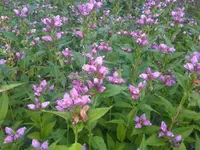
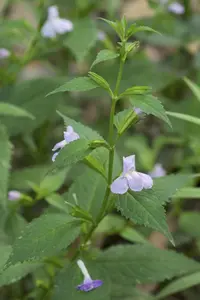
Sharpwing monkeyflower, Mimulus alatus, is a small herbaceous perennial native to moist habitats in eastern and central North America, such as stream banks and wet meadows. It forms loose clumps with slender, square stems and opposite leaves, and produces soft tubular flowers marked with subtle spotting that attract bees and other pollinators.

This species prefers consistently moist soil and partial sun, reflecting its natural wetland origins. It suits informal, naturalistic gardens where soil stays damp and competition from aggressive plants is limited.

Its need for steady moisture is the main factor that influences how to care for sharpwing monkeyflower, but otherwise it is relatively undemanding in suitable conditions.

Main Plant Requirements

Care Difficulty

Moderate Care

Light Preference

Partial Sun

Water Requirements

Keep Soil Moist

Temperature Preference

Cold Hardy

Hardiness Zone

4–9

Soil Texture

Loamy, Silty, Organic-rich

Soil pH

Acidic (5.5–6.5), Slightly acidic (6.5–7.0)

Soil Drainage

Waterlogged tolerant

Fertilization

Minimal (feed rarely)

Get Personalized Care Plan

Scan your plant to receive care tips personalized for your specific plant

Available on iOS and Android

How to Care for the sharpwing monkeyflower

This species prefers bright conditions with soft, indirect light near wetlands or stream edges.

  • Provide 4–6 hours of morning sun with light shade or dappled light in the afternoon to protect sharpwing monkeyflower from leaf scorch.
  • Allow partial shade, especially in hot summers; dense shade reduces flowering and can cause weak, elongated stems.
  • In cooler seasons, slightly more direct sun is beneficial; in mid-summer, increase filtered shade if foliage fades, curls, or shows dry, brown patches.

Mimulus alatus thrives in consistently moist to wet soil, similar to natural stream banks.

  • Maintain soil that feels damp at 2–5 cm depth; do not allow the root zone to dry out completely, especially during flowering.
  • Increase water during hot, windy periods so the surface barely dries between soakings, but avoid stagnant puddles lasting more than 24 hours.
  • Watch for wilting, dull leaves, and dry, cracked soil as underwatering signs; yellowing, mushy stems and sour odor indicate overwatering or poor drainage.

This plant grows best in mild to warm temperate conditions with cool nights.

  • Aim for 65–80°F (18–27°C) during active growth for steady flowering and healthy foliage.
  • Plants tolerate down to about 25°F (-4°C) once established but young growth is damaged by late frosts; mulch to buffer sudden cold snaps.
  • During hot spells above 86°F (30°C), provide more shade and ample moisture; prolonged exposure above 95°F (35°C) can stress plants and reduce blooms.

This species prefers consistently moist air and reacts quickly to dry conditions.

  • Aim for 50–70% humidity, similar to a damp stream edge or boggy site.
  • Leaves may curl, brown at the edges, or wilt midday in low humidity, even when soil is moist.
  • Increase humidity around sharpwing monkeyflower by grouping pots, using a pebble tray with water below the pot base, or placing it near a humidifier.

Mimulus alatus thrives in consistently moist, rich, fine-textured soil that stays damp but not stagnant.

  • Use a loamy mix with high organic matter, such as 2 parts peat or coco coir, 1 part compost, and 1 part fine sand.
  • Soil should drain slowly yet stay evenly wet; avoid fast-drying, sandy blends or heavy clay that holds standing water.
  • Aim for slightly acidic to neutral pH around 6.0–7.0 for best nutrient availability and root function.
  • Improve aeration and structure by blending in fine bark or leaf mold, which keeps pores open while still retaining moisture.

This species can grow well in containers if moisture and stability are carefully managed.

  • Choose a deep, heavy pot that resists tipping when the top growth becomes lush and holds a stable moisture profile.
  • Select a container material like glazed ceramic or plastic that slows evaporation to keep the root zone evenly damp.
  • Stand the pot in a shallow outer tray to capture overflow, but empty it promptly so roots stay moist rather than submerged.

Mimulus alatus benefits from light, consistent nutrition in moist but not nutrient-rich soils.

  • Use a balanced liquid fertilizer (such as 10-10-10) at 1/4–1/2 strength every 4–6 weeks during the growing season.
  • In rich garden soil, rely mainly on a thin top-dressing of compost in early spring for caring for sharpwing monkeyflower.
  • Avoid heavy feeding, which promotes weak, lush growth and fewer flowers.
  • Stop fertilizing in late summer and do not feed during winter dormancy.

Mimulus alatus responds well to light pruning that maintains compact growth and flowering.

  • In late spring or after main bloom, trim back leggy stems by 1/3 to encourage branching and more flowers.
  • Remove dead, damaged, or diseased shoots as soon as noticed using clean, sharp scissors or hand pruners.
  • Pinch spent flower stalks to reduce seed set and extend the flowering period.
  • Thin crowded stems lightly to improve airflow and reduce disease risk.

This species is more often transplanted in beds than kept long term in containers.

  • Transplant in early spring or early fall when temperatures are mild and soil is consistently moist.
  • Move plants when growth slows, clumps outgrow their space, or roots circle inside a pot or escape drainage holes.
  • Lift with a generous soil root ball, disturb roots as little as possible, and replant at the same depth.
  • Water thoroughly after transplanting, then keep soil evenly moist and shaded for several days to limit stress.

Mimulus alatus is commonly propagated from seed and by division of established clumps.

  • Sow fresh seed in late winter to spring on the surface of moist, fine seed mix, as light aids germination.
  • Maintain 65–75°F, high humidity, and gentle bottom watering until seedlings establish.
  • Divide mature clumps in early spring, keeping several shoots and healthy roots in each division.
  • Replant divisions into consistently moist soil and shade lightly for 1–2 weeks while new roots form.

This hardy perennial usually survives typical winters in its native range with minimal intervention.

  • Plants tolerate freezing temperatures once established in the ground, especially in reliably moist sites.
  • After frost kills top growth, cut stems back close to the base to reduce disease carryover.
  • Apply a 5–8 cm mulch layer over the root zone in colder regions, keeping mulch off the crowns.
  • For container plants in cold climates, move pots into a sheltered, frost-free but cool location.

Care Tips

Streambank positioning

Plant along the upper edge of ponds, rain gardens, or slow-draining swales so roots access consistent moisture while crowns stay just above standing water to reduce rot risk.

Seasonal cutback timing

In late fall after frost, cut stems back close to the base and leave the root system undisturbed, which helps the plant conserve energy and return more strongly in spring.

Self-seeding management

If you want natural colonies, leave some spent flower stalks to set seed, but if you need tighter control, remove seed heads before they brown to limit spread.

Wildlife-friendly spacing

Space clumps in small drifts with 20–30 cm between plants to create a dense, low mass that supports pollinators while still allowing air movement around foliage.

Moisture buffer mulch

Apply a thin 2–3 cm layer of fine-shredded bark or leaf mold around, but not touching, the stems to stabilize soil moisture and temperature when growing sharpwing monkeyflower in exposed sites.

Common Pests and Diseases

Rust

This disease causes small orange to brown pustules on the undersides of leaves and can lead to yellowing and early leaf drop in moist, warm conditions.

Solution

Remove and discard affected leaves, avoid overhead watering, and increase spacing or airflow around plants; in persistent cases, apply a sulfur or chlorothalonil-based fungicide labeled for ornamental perennials according to the product directions.

Leaf spot

This disease produces round to irregular brown or purplish spots on leaves, which may merge and cause premature defoliation, especially in dense, wet plantings near water.

Solution

Trim off and discard badly spotted foliage, water at soil level rather than from above, and thin crowded stems; if leaf spot recurs, use a copper-based fungicide labeled for leaf spot on ornamentals at the first signs of new lesions.

Aphids

These insects cluster on tender shoots and flower stems, sucking sap and causing curling or distortion of leaves, and may leave sticky honeydew on the plant.

Solution

Spray colonies off with a firm stream of water, then treat remaining aphids with insecticidal soap or a light horticultural oil, repeating every 5–7 days until populations remain low; encourage natural predators by avoiding broad-spectrum insecticides nearby.

Spider mites

This pest thrives in hot, dry weather, causing fine speckling, bronzing, and webbing on leaves, which can reduce vigor and flowering.

Solution

Rinse foliage thoroughly, including leaf undersides, to knock mites off and raise humidity around plants; for heavier infestations, use horticultural oil or insecticidal soap directed to the undersides of leaves, repeating at label intervals to catch new hatchlings.

Interesting Facts

Moist-soil specialist

Sharpwing monkeyflower naturally occurs along streambanks, wet meadows, and swamp margins in eastern North America, thriving in consistently moist to seasonally flooded soils where many other herbaceous plants would struggle.

Distinctive winged stems

This species gets its common name from the narrow, sharp-edged wings that run along its square stems, a structural feature that makes it easy to distinguish from closely related monkeyflower species in the field.

Bee-oriented floral design

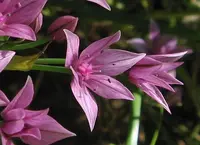
Its pale lavender to bluish flowers have a two-lipped corolla and patterned throat that guide small bees toward the nectar, making it an important nectar source for native pollinators in late spring and summer.

Botan icon

Did you know?

Mimulus alatus hybridizes readily with some closely related monkeyflower species, and in areas of overlap it can form intermediate plants that show blended characteristics, providing useful material for studying evolution and speciation in wetland flora.

FAQs about sharpwing monkeyflower

Poor flowering usually comes from low light, nutrient-poor or very dry soil, or plants that are still immature. Ensure consistent moisture, moderate fertility, and remove spent flower stalks so energy goes into new buds instead of seed.

Grow Healthy Plants with Botan Care

Keep your plants happy and healthy with plant identification, disease detection, and easy care guidance.

Botan plant care app — identify plants on mobile

Explore More Plants