Mark Dormant Clumps
Use small, weatherproof labels to mark bulb locations right after flowering so dormant clumps are not disturbed or accidentally dug up during summer or fall work in the bed.

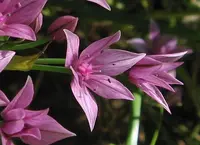
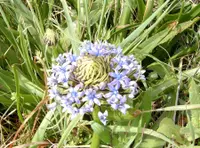
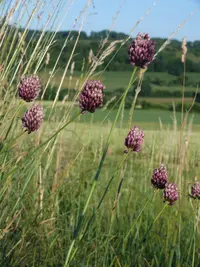
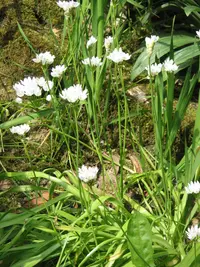
Early onion (Allium praecox) is a small bulb-forming perennial in the onion family, valued for its delicate, early-season flowers. It typically produces narrow, grass-like leaves and loose clusters of star-shaped blooms on slender stems, giving a light, airy look. The species is native to parts of southern Africa, where it grows in open, sunny habitats with well-drained soils. It is generally considered undemanding, as long as the bulbs do not sit in heavy, waterlogged ground. Gardeners who learn how to care for early onion often find it a reliable choice for rock gardens, borders, or naturalized meadow-style plantings.

Care Difficulty
Easy Care

Light Preference
Full Sun

Water Requirements
Moderate Water

Temperature Preference
Cool Climate

Hardiness Zone
6–9

Soil Texture
Sandy, Loamy, Rocky

Soil pH
Slightly acidic (6.5–7.0), Neutral (7.0)

Soil Drainage
Well-drained

Fertilization
Minimal (feed rarely)
Scan your plant to receive care tips personalized for your specific plant
Available on iOS and Android
This bulb prefers bright, open conditions similar to sunny grasslands.
This species prefers dry to slightly moist soil and is sensitive to excess water.
This bulb is adapted to mild, seasonally dry climates with cool to warm temperatures.
Allium praecox handles typical indoor humidity well and rarely needs special adjustments.
Allium praecox prefers light, fast-draining mineral soil to keep its bulbs dry and healthy.
This species is well suited to container growing when the potting setup prevents excess moisture around the bulbs.
This bulb needs only light feeding for reliable flowering and healthy foliage.
Pruning needs for Allium praecox are minimal and mainly focused on tidiness and bulb health.
This bulb is usually grown in the ground and only occasionally needs transplanting or division.
Allium praecox is commonly propagated by bulb division and sometimes from seed, depending on time and patience.
This bulb is reasonably cold hardy in mild to moderate climates and usually needs only light winter care.

Plant Health Check
Not sure what's wrong with your plant? Check your plant's health inside the app.
This species is naturally restricted to parts of central and southern California, where it grows in open grasslands and foothill habitats that experience cool, moist winters and dry summers.
Allium praecox is a geophyte, meaning it survives summer drought as an underground bulb and resumes growth quickly when winter and early spring rains return.
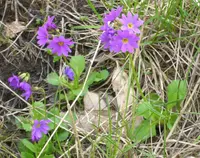
The plant produces its pink to lavender star-shaped flowers relatively early in the season, often before many other native forbs, and this timing provides nectar and pollen to early-flying pollinators.

Populations of Allium praecox often occur on shallow or rocky soils within chaparral and grassland mosaics, indicating a notable tolerance for relatively poor, fast-draining substrates compared with many cultivated onions.
Lack of flowering usually comes from insufficient winter chill, too little light, or bulbs divided too often. Allow foliage to mature naturally after bloom, avoid heavy nitrogen, and ensure a cool, dormant rest to set buds.
Keep your plants happy and healthy with plant identification, disease detection, and easy care guidance.