Rocky mulch band
Lay a 5–10 cm wide band of small gravel or grit around the crowns to mimic natural scree, which keeps stems dry at the base and reduces crown rot in wet seasons.

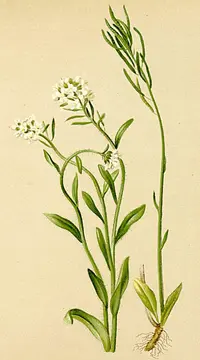
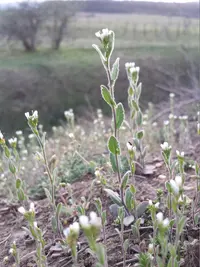
Fringed rockcress, Arabis ciliata, is a low, clump-forming perennial in the cabbage family, grown mainly for its delicate spring flowers and tidy habit. It usually forms compact mats of small, gray-green leaves topped with short stems carrying clusters of white, finely fringed petals.
This species is native to rocky slopes and open, well-drained sites in parts of Europe and western Asia. Its alpine origins make it well suited to rock gardens, crevices, and dry borders, as long as drainage is very sharp.
Arabis ciliata is generally not difficult to grow if provided with plenty of light, lean soil, and protection from standing water. Gardeners who know how to care for Fringed Rockcress often value it as a durable, low-maintenance edging plant.

Care Difficulty
Easy Care

Light Preference
Full Sun

Water Requirements
Low Water

Temperature Preference
Cold Hardy

Hardiness Zone
4–8

Soil Texture
Sandy, Loamy, Rocky

Soil pH
Slightly acidic (6.5–7.0), Neutral (7.0)

Soil Drainage
Well-drained

Fertilization
Minimal (feed rarely)
Scan your plant to receive care tips personalized for your specific plant
Available on iOS and Android
Arabis ciliata prefers bright conditions that mimic open, rocky slopes in its native range.
Arabis ciliata prefers slightly dry, well-drained conditions rather than constant moisture.
This species is a cold-hardy perennial adapted to temperate climates with cool to mild summers.
Humidity is rarely a limiting factor for Arabis ciliata, which suits typical outdoor conditions.
Arabis ciliata prefers lean, sharply drained, rocky or sandy soil that mimics its natural alpine habitats.
This species can grow in containers if the pot closely reproduces a shallow, rocky environment.
This alpine perennial stays compact and floriferous with modest feeding suited to caring for Fringed Rockcress in lean soils.
Pruning Arabis ciliata is mainly used to maintain a tight mound and encourage repeat flowering.
This rock-garden species is usually grown in the ground, with transplanting done infrequently and carefully.
Arabis ciliata is commonly propagated by division, cuttings, or seed to renew clumps and expand plantings.
This species is generally cold hardy and needs minimal winter care in typical temperate climates.

Plant Health Check
Not sure what's wrong with your plant? Check your plant's health inside the app.
This species naturally grows in thin, stony soils on cliffs, rocky outcrops, and limestone slopes, where many other plants struggle to survive. Its compact, tufted growth helps it anchor into crevices and resist erosion in these exposed habitats.
The small white flowers open early in the growing season and provide one of the first nectar and pollen sources for wild bees and other pollinating insects in its native range. This timing helps bridge the resource gap before many other flowering species are active.
Arabis ciliata is native to cool and cold regions of Europe and western Asia and tolerates repeated frost and snow cover. Its evergreen or semi-evergreen rosettes can photosynthesize during mild winter periods, giving it a head start in spring.
This species forms low, slowly widening clumps or small mats, usually staying well behaved. It can self-seed modestly in suitable rock or gravel gaps but is not typically aggressive in managed garden settings.
Keep your plants happy and healthy with plant identification, disease detection, and easy care guidance.