stinking primrose Care (Primula hirsuta)

Also known as: Hairy Primrose
stinking primrose

About stinking primrose

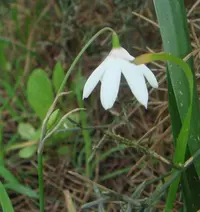
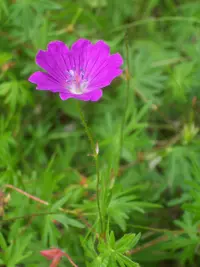
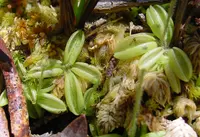
Stinking primrose, Primula hirsuta, is a compact alpine perennial valued for its tight rosettes and clusters of bright magenta to purple spring flowers. Despite the common name, any scent is usually mild and not the main feature.

This species naturally occurs on rocky limestone slopes and alpine meadows in the European Alps, where it grows in cool, well-drained, often gritty soil. It tends to stay low and clump-forming, which makes it suitable for rock gardens, troughs, and small containers.

It is moderately easy to grow if its need for cool conditions, sharp drainage, and steady moisture is respected. Gardeners who understand how to care for stinking primrose often find it long-lived in suitable climates.

Main Plant Requirements

Care Difficulty

Moderate Care

Light Preference

Partial Sun

Water Requirements

Moderate Water

Temperature Preference

Cold Hardy

Hardiness Zone

3–7

Soil Texture

Loamy, Rocky, Organic-rich

Soil pH

Acidic (5.5–6.5), Slightly acidic (6.5–7.0)

Soil Drainage

Well-drained

Fertilization

Minimal (feed rarely)

Get Personalized Care Plan

Scan your plant to receive care tips personalized for your specific plant

Available on iOS and Android

How to Care for the stinking primrose

Primula hirsuta prefers bright, cool conditions that mimic open alpine slopes.

  • Provide 3–5 hours of gentle morning sun with light or open shade in the afternoon, especially in warmer climates.
  • Allow dappled or filtered light under sparse shrubs or rocks; stinking primrose scorches in intense midday or late-afternoon sun in lowland gardens.
  • In summer, protect from prolonged sun and heat; in cooler seasons, slightly more direct sun improves flowering without stressing the foliage.

This alpine primula needs consistent moisture but deteriorates in waterlogged soil.

  • Aim for evenly moist soil, letting the top 1–2 cm dry slightly between waterings; in cool, cloudy weather, extend the interval to avoid saturation.
  • Use a sharply drained, gritty mix or raised rock garden bed so excess water runs off, preventing root rot and crown rot in Primula hirsuta.
  • Watch foliage and soil: drooping, thin leaves and dry soil signal underwatering, while yellowing, limp leaves in wet soil indicate overwatering.

This species is adapted to cool alpine climates and tolerates significant cold when drainage is excellent.

  • Optimal growth occurs around 45–65°F (7–18°C), especially with cool nights and moderate daytime highs.
  • Established plants survive down to about 0°F (−18°C) with sharp drainage and some winter protection from standing ice and freeze–thaw cycles.
  • Heat above 80°F (27°C) stresses plants; provide shade, mulch around but not over the crown, and avoid warm, enclosed sites during hot spells.

This alpine species prefers cool air with moderate humidity rather than very dry indoor conditions.

  • Aim for 40–60% humidity, which suits the natural mountain habitat of stinking primrose.
  • Crisping leaf edges and drooping foliage in warm rooms often indicate air that is too dry.
  • Use a wide pebble tray with water under, but not touching, the pot to raise local humidity without soaking roots.
  • Avoid placing plants near heating vents or strong fans, which rapidly lower humidity and stress foliage.

This plant needs cool, moist, sharply drained soil that never stays waterlogged.

  • Use a gritty mix such as 40% loam, 30% fine compost, 20% coarse sand, and 10% fine gravel or perlite for structure and aeration.
  • Keep drainage fast so water moves through within seconds; soggy conditions quickly damage Primula hirsuta roots.
  • Aim for slightly acidic to neutral pH around 6.0–7.0, which supports nutrient uptake without leaf yellowing.
  • Avoid heavy clay and peat-only mixes; lighten dense media with coarse sand or grit to prevent compaction and root rot.

This species can grow well in containers if drainage and cool root conditions are maintained.

  • Choose a deep, narrow pot that allows a cool root zone and prevents the crown from sitting in pooled water.
  • Use a heavy clay or ceramic container outdoors to keep the root zone cooler and reduce rapid drying in sun and wind.
  • Raise the pot slightly on feet or bricks so drainage holes stay clear and excess water escapes quickly after rain or watering.

This alpine perennial benefits from modest feeding in lean soils but does not need heavy fertilization.

  • Apply a dilute balanced liquid fertilizer (e.g., 10-10-10 at 1/4–1/2 strength) every 4–6 weeks during spring–early summer growth.
  • Use a light top-dressing of fine compost around, not against, the crown in early spring.
  • Suspend feeding in late summer and winter dormancy to avoid soft, frost-prone growth.
  • For stinking primrose in containers, choose a slow-release balanced fertilizer mixed sparingly into a gritty medium.

Primula hirsuta needs only light pruning to stay tidy and encourage flowering.

  • Deadhead spent flower stems in late spring to channel energy into roots and future blooms.
  • Remove yellow, dead, or diseased leaves at the base using clean, sharp scissors or snips.
  • Thin out crowded rosettes after flowering to improve airflow and reduce fungal issues.
  • In autumn, clear away rotting debris around crowns while leaving firm green leaves intact.

This alpine is more often transplanted in rock gardens than kept long term in containers.

  • Transplant or repot in early spring or just after flowering, when temperatures are mild.
  • Check for roots circling the pot, slow growth, or drying out quickly as signs a container plant needs a larger pot.
  • Move into only a slightly larger container with very free-draining, gritty soil to prevent waterlogging.
  • Handle the root ball gently, loosen circling roots lightly, water well, then shade for a few days to limit stress.

Primula hirsuta is commonly propagated by division and seed under cool, moist conditions.

  • Divide mature clumps in early spring or just after flowering, keeping several roots with each rosette.
  • Replant divisions into gritty, humus-rich soil and keep evenly moist until established.
  • Sow fresh seed on the surface of a well-drained mix; many forms benefit from 4–6 weeks of cold stratification in a fridge.
  • Provide bright, indirect light and cool temperatures (50–60°F) for steady germination and seedling growth.

This alpine primrose is cold hardy in many temperate climates and usually needs only minimal winter care.

  • Tolerates frost and snow when planted in sharp-draining soil that prevents standing water around crowns.
  • Apply a light, dry gravel or grit mulch around the root zone to reduce heaving from freeze–thaw cycles.
  • In very wet winters, shelter plants from persistent rain to limit crown rot risk.
  • Move container plants to a cold, bright, frost-free or barely freezing spot with the soil just slightly moist.

Care Tips

Rock crevice placement

Tuck plants into narrow rock crevices or between stable stones so the roots stay cool and shaded while the crown and leaves receive good air movement and light snow protection.

Gritty mulch collar

After planting, top-dress around the crown with a 1–2 cm layer of fine grit or sharp sand to keep the neck dry and reduce fungal rot, especially in wet winters.

Snow and rain management

In climates with heavy winter rain but little snow, use a simple clear cover or lean-to over the clump to shed excess moisture while still allowing good light and air circulation.

Careful division timing

Divide mature clumps only right after flowering and replant small fans immediately at the same depth, keeping the crown slightly raised so it does not sink and rot.

Alpine pot culture

When growing stinking primrose in containers, use a tall, free-draining clay pot and stand it on pot feet or gravel so excess water leaves quickly and roots experience cooler, more stable temperatures.

Common Pests and Diseases

Botrytis blight

This disease causes soft, water-soaked spots on leaves and flower stalks that quickly become covered with grey, fuzzy mold, especially in cool, damp conditions. Symptoms include collapse of flower stems and rotting of crowded rosettes.

Solution

Remove and discard all affected leaves and flowers, then thin or divide clumps to improve airflow around the rosettes. Avoid overhead watering, keep foliage as dry as possible, and use a fungicide labeled for Botrytis on ornamentals if cool, wet weather persists, following label directions carefully.

Powdery mildew

This disease produces a white, powdery coating on leaves, petioles, and sometimes flower stems, leading to yellowing and reduced vigor. Symptoms include distorted young leaves and premature leaf drop in crowded or shaded plantings.

Solution

Improve light and airflow by spacing plants correctly and removing dense surrounding vegetation, and avoid wetting foliage late in the day. Remove heavily affected leaves and, if needed, apply a sulfur or potassium bicarbonate fungicide labeled for powdery mildew on ornamentals, rotating products to reduce resistance risk.

Leaf spot

This disease causes small, circular to irregular brown or purplish spots on leaves, often with pale centers and darker margins, which can merge and cause larger dead patches. Symptoms include thinning foliage and weakened plants under prolonged wet conditions.

Solution

Cut off and discard spotted leaves, keeping the crown intact, and clean away old, infected debris at the base of the plant. Water at soil level, not over the foliage, and in persistent wet weather use a broad-spectrum ornamental fungicide labeled for leaf spots according to instructions.

Aphids

These insects cluster on young leaves, flower stalks, and buds, sucking sap and causing curling, distortion, and sticky honeydew that can attract sooty mold. This pest can stunt flowering and weaken plants, especially in sheltered, nutrient-rich sites.

Solution

Wash colonies off gently with a strong stream of water, repeating every few days, and remove heavily infested flower stalks. Encourage lady beetles and other natural enemies, and if needed use an insecticidal soap or horticultural oil, making sure to wet the undersides of leaves and applying in cool, shaded conditions to avoid leaf burn.

Vine weevil

This pest causes notched edges on Primula leaves from adult feeding, while the soil-dwelling larvae chew on roots and crowns, leading to sudden wilting or plant collapse. Symptoms include loose plants in the soil and poor recovery despite adequate moisture.

Solution

Inspect at night and hand-pick adult beetles from foliage, and avoid leaving dense groundcover or debris near plants where adults can hide. For the larvae, use beneficial nematodes (Steinernema or Heterorhabditis species) applied to moist soil in late summer or early autumn according to product directions, and grow Primula hirsuta in containers with fresh, well-drained mix if vine weevils are persistent in the garden.

Interesting Facts

Alpine limestone specialist

This species is native to the European Alps and naturally grows in narrow rock crevices and ledges on calcareous, limestone-rich substrates, often at high elevations exposed to strong wind and intense light.

Hairy leaf adaptation

Its thick covering of glandular hairs on the leaves and stems helps reduce water loss, protect tissues from cold and ultraviolet radiation, and may deter small herbivores and insects.

Early snowmelt bloomer

In its natural habitat it often flowers soon after snowmelt, taking advantage of a short alpine growing season with cool temperatures and abundant meltwater.

Botan icon

Did you know?

This alpine primrose frequently forms natural hybrids with closely related Primula species where their ranges overlap, which has made it an important model for studying hybridization and speciation in high mountain plant communities.

FAQs about stinking primrose

Lack of flowers usually comes from too much warmth in winter, deep shade, or overly rich nitrogen fertilizer. Cool conditions, bright but gentle light, and a lean, well‑drained substrate help trigger compact rosettes and abundant spring blooms.

Grow Healthy Plants with Botan Care

Keep your plants happy and healthy with plant identification, disease detection, and easy care guidance.

Botan plant care app — identify plants on mobile

Explore More Plants